






















Wuthering Heights movie gallops to $82 million global debut

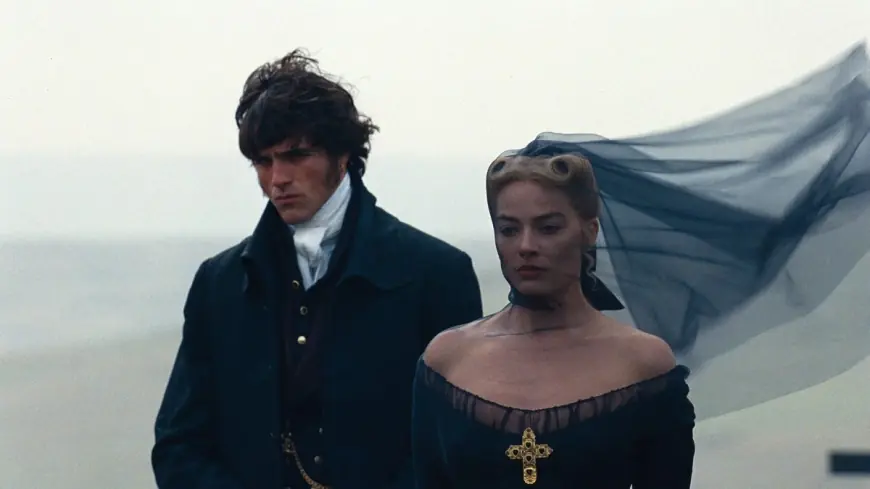
Emerald Fennell’s provocative, R-rated reimagining of Wuthering Heights opened to a pulse-quickening box office haul this holiday weekend, selling an estimated $82 million in tickets worldwide. The launch has kicked off conversation about studio risk-taking, representation behind the camera and the choices that shape modern adaptations of classic literature.
Box office, distribution and financial backdrop
Studio estimates placed U. S. and Canadian ticket sales at roughly $40 million from Friday through Monday, with an additional $42 million coming from international markets for a roughly $82 million global debut. The production’s estimated negative cost was about $80 million, not counting substantial marketing expenses. The distributor booked the film into 18, 028 theaters worldwide, a wide release strategy that the filmmakers prioritized when weighing offers from a major streaming suitor that had put forward roughly $150 million for the project but would not guarantee the same theatrical footprint.
Exit polling from opening-weekend audiences suggested the film skewed heavily female, with roughly three-quarters of ticket buyers identifying as women and an audience that was majority white. Moviegoers handed the picture a B grade in exit surveys, reflecting a mixed but engaged reception at the multiplex.
Emerald Fennell’s ascent and the industry debate
Fennell, who adapted Emily Brontë’s only novel for the screen and directs this version, has become an emblematic figure in discussions about who gets second chances in Hollywood. Her first feature won major awards for original screenplay and drew a best-director nomination, yet that film’s theatrical run was hampered by the pandemic and delivered modest box office receipts. Her follow-up also posted limited returns.
That track record makes the current backing more notable: a female director receiving substantial studio support on multiple big-budget projects remains the exception rather than the rule. Martha Lauzen, who leads academic research on women in film, warned that many studios routinely give inexperienced male directors multiple chances while women directors face higher hurdles. Her recent data found women represented a small fraction of directors working on the top domestic releases, a share that slipped further in the latest year.
Industry observers point out that declining overall ticket sales and a widely lamented creative slump would seem to create incentives for studios to cultivate diverse voices and fresh perspectives. The current film’s launch is being cited as a reminder of what executives may be missing when they narrow their director searches.
Audience reaction, adaptation choices and cultural chatter
On the ground, the picture has provoked a lively mix of fandom and controversy. Early marketing positioned the film as a turbulent, romantic spectacle, and that framing drew devoted fans to packed screenings—some organizers even renting private auditoriums to turn viewings into social events. At the same time, the adaptation’s creative decisions—casting, characterization and the treatment of Brontë’s novel’s darker themes—have stirred debate among readers and critics about fidelity, racial representation and whether certain forms of coercive behavior have been softened or romanticized for mainstream audiences.
Critics and commentators are also watching how the film’s commercial performance will influence future studio behavior. Some executives and creatives had been weighing a theatrical-first model against lucrative streaming offers; this opening will be read as a data point in those calculations. Meanwhile, other women directors have projects in the pipeline with budgets similar to this film’s, underscoring that the current moment could either mark a turning point or remain an outlier depending on what the box office does in coming weeks.
For now, the picture’s theatrical debut has reignited conversations that go beyond one film’s ticket receipts: it highlights who gets financial and institutional trust in filmmaking, how classic texts are reshaped for modern audiences, and the continued hunger among many moviegoers for provocative, director-driven work.