






















Baelor Targaryen Steals the Spotlight in Prequel’s Shocking Trial of Seven

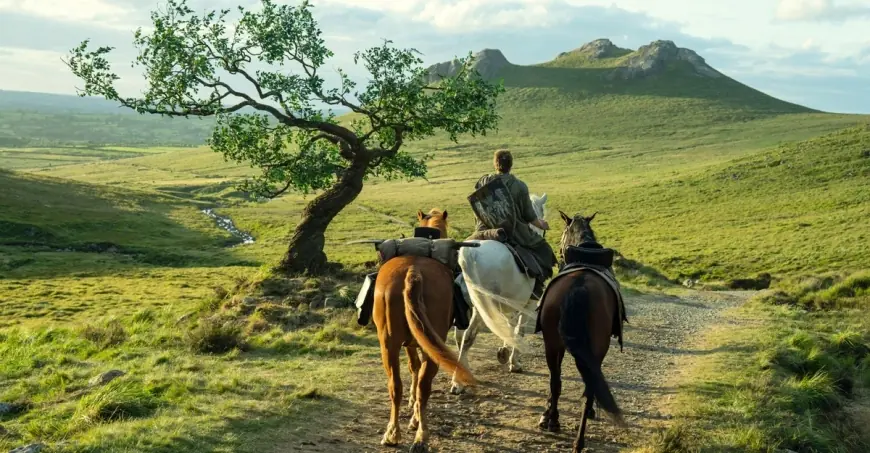
Sunday night (ET) brought a penultimate episode that upends expectations: what was teased as a glorious, cinematic showdown instead unfolded as a disorienting, grotesque slog — anchored by a commanding turn from prince-turned-combatant baelor targaryen and a sequence that returns the show to its smallest, messiest roots.
A brutal, unromantic battle seen through Dunk’s eyes
The Trial of Seven begins with pomp but quickly dissolves into chaos. The opening minutes strip knightly glory of its polish: contestants vomit from fear, helmets fill with blood and muck, and the camera locks onto the claustrophobic vision of a man inside armor. That narrow field of view turns the clash into a sensory onslaught — ringing ears, blinding mud, and blows that come and go like thunderclaps. When Dunk finally enters the fray he does not have a hero’s entrance. He is impaled by a lance, struck senseless by a morningstar, and left collapsed in the mud.
Baelor’s arrival as the final combatant reframes the bout. He is not a foil for spectacle; he is the instrument that makes the fight feel simultaneously purposeful and cruel. The prince’s presence pushes the episode away from heroic tableau and toward a grimmer reality: this is not a tournament, it is a fight to maim and kill. The sequence refuses to romanticize violence, instead showing how quickly training and bravado can give way to panic and bodily failure.
Flashback deepens what’s at stake for Duncan
Rather than linger on the battlefield, the episode detours into an extended flashback that supplies the emotional ballast for Dunk’s struggle. Viewers are taken back to Flea Bottom, where a teenage Duncan survives amid squalor with his best friend Rafe. The past scenes are not filler; they are a deliberate dismantling of the mythic arc, revealing how poverty, theft, and sudden violence forged Dunk’s quieter courage.
The flashback sequence also reorients the audience to why Dunk fights at all. His bond with Ser Arlan, born out of rescue and shared hardship, explains the loyalty that will drive him to rise from the muck even as his body protests. The juxtaposition — an up-close, ugly contest followed by the long, human work of remembering where he came from — turns what could have been a single set-piece into a character-defining moment.
Smaller scale, sharper tonal risks
This episode underscores the show’s broader gamble: moving away from sweeping dynastic canvases and toward low-stakes, character-focused storytelling. It leans into humor at times — sudden, irreverent cutaways and chaotic framing choices — but never lets those notes dilute the emotional core. The result is a tonal mix that feels fresher than a straight imitation of earlier, larger-scale entries in the franchise.
Stylistically, the episode’s commitment to showing war at ground level — the panic before the horn, the little bodily betrayals, the abrupt return to childhood memory — is a reminder that spectacle can be subverted to reveal vulnerability. The prequel’s willingness to make its central fight ugly and disorienting, then to spend its remaining minutes rebuilding a life before the blow, is a dramatic choice that pays off. It reframes what victory and heroism mean for this version of a well-known world: survival, sometimes, is the only kind of triumph that matters.
Whether viewers expected a grand, mythic clash or a character study told through the scrape of steel and the cough of blood, the episode delivers something more unsettling — and, for many, more human.