

























Underestimating Geopolitical Risks Could Threaten Oil Markets, Experts Warn

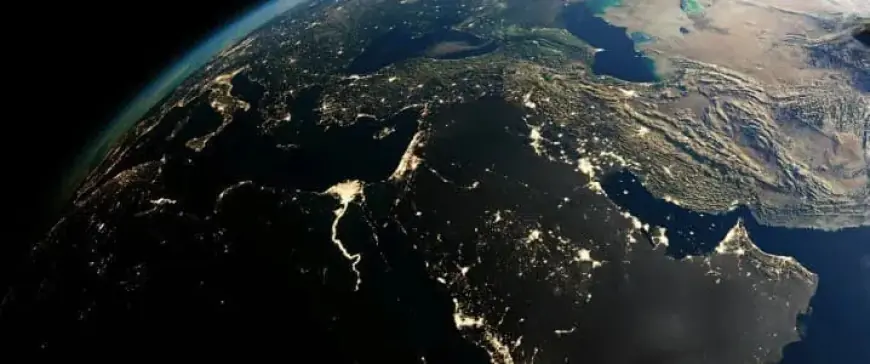
Current oil markets face significant risks from geopolitical tensions, particularly concerning U.S.-Iran relations. Experts warn that underestimating these geopolitical risks could have dire consequences for oil pricing and supply.
Recent Market Reactions to Geopolitical Events
The oil price has shown notable volatility driven by fears of military conflict. Recently, Brent crude surpassed $67 per barrel, while West Texas Intermediate (WTI) prices elevated over $62. These spikes were fueled by escalating threats, primarily between the United States and Iran.
Potential Impact of U.S.-Iran Relations
Analysts at Rystad Energy outlined five scenarios regarding the future of U.S.-Iranian relations:
- Best-Case Scenario: Productive negotiations lead to a new nuclear deal, potentially increasing Iran’s oil production.
- Moderate Scenarios: Limited U.S. strikes on Iranian facilities, provoking limited impacts on oil production.
- Severe Scenarios: Wide-ranging military actions could result in fatalities among Iran’s leadership and civil unrest.
The consultancy does not predict any substantial long-term price increases for crude oil across these scenarios. Yet, in cases of significant disruption, they estimate oil prices could rise by $10 to $15 per barrel.
Consequences of a Broader Conflict
Experts caution that if military tensions escalate across the Middle East, oil prices could soar to $100 or more. A Bloomberg analysis suggested that even brief disruptions in the Strait of Hormuz might significantly influence global oil supply, as this area is essential for transporting a substantial portion of the world’s oil.
Understanding Price Resilience
Despite the looming potential for significant price shocks, the global demand for oil is not as high as it was in the past. Experts note that energy efficiency innovations have led to a 25% reduction in oil consumption per unit of GDP in the U.S. since 2011.
Inflation and Oil Prices
Inflation also plays a critical role in modifying the effects of price changes. While oil prices may seem high at $100, the purchasing power of consumers has diminished over time. Therefore, individuals may find that $100 today buys fewer goods and services compared to a decade ago.
China’s Strategic Position
China, as the largest global importer of oil, is actively preparing for potential market disruptions. The country has been stockpiling crude, buying excess oil without refining it immediately, thereby creating a buffer against sudden price spikes.
Even as geopolitical uncertainties persist, many Middle Eastern countries are reluctant to see oil prices rise dramatically. Higher prices may stimulate demand but can also lead to reduced consumption in an already price-sensitive market.
In conclusion, the oil market’s future remains uncertain, heavily dependent on unforeseen geopolitical developments. The possibility of conflict continues to pose a significant threat, and stakeholders must remain vigilant in monitoring these dynamics.