





















Great Yarmouth MP Rupert Lowe launches Restore Britain as national party

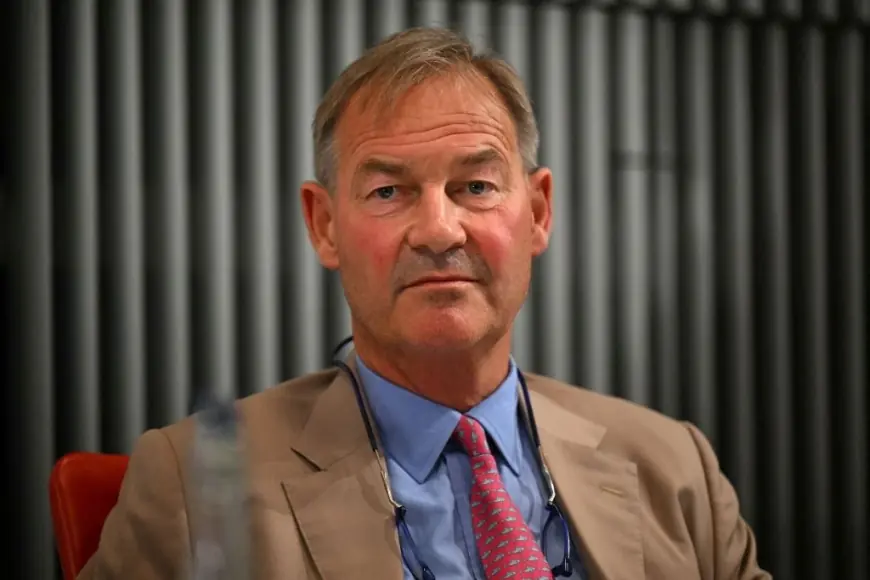
Rupert Lowe, the MP for Great Yarmouth who was elected in July 2024 and now sits as an independent, announced on Friday night (ET) that Restore Britain will move from a political movement into a national party. Lowe says the organisation will act as an umbrella for locally based partners and plans to stand candidates, beginning with his home constituency.
From local movement to national ambition
Lowe initially launched Restore Britain as a movement after being suspended from his former party last March. The suspension followed allegations that he made threats of physical violence toward a party official; the Crown Prosecution Service later concluded there was insufficient evidence for a realistic prospect of conviction. Now rebranded as a national party, Restore Britain is being framed as a vehicle to unite local groups under a right-leaning, independence-minded banner.
The new structure is intended to act as an umbrella, bringing in locally based formations such as Great Yarmouth First, which will partner with Restore Britain. Lowe is expected to run again for the Great Yarmouth seat under that local banner. He has emphasised a belief that mainstream politicians are out of touch with voters, pointing to his constituency as evidence and arguing there is room on the right for another party that prizes independence of thought.
Personnel shifts and early endorsements
When it existed as a movement, Restore Britain attracted high-profile names to an advisory board, including senior figures from across the centre-right. With the change to a formal party, some of those advisers have stepped back. Two notable former advisers have indicated they will leave the board now that the organisation is an official political party.
The launch also drew rapid interest from other smaller right-leaning groups. One rival organisation has signalled it may consider a merger with Restore Britain, a move that could reshape the crowded field on the right. Support has also come from online influencers and individual public figures who view Lowe as more hardline on issues such as immigration and cultural policy than some of his former colleagues. A prominent tech entrepreneur publicly amplified Lowe’s appeal in the early days of the launch, bolstering his online profile.
Electoral risks and the wider impact on the right
Political strategists caution that the emergence of another party on the right risks fragmenting votes in tightly fought constituencies. The electoral system penalises splintering, and in seats where margins were narrow at the last general election, small challengers could change outcomes. Lowe’s presence as a sitting MP gives the new party a higher profile than many start-ups; private polling shared with regional political figures suggests he could perform strongly in his area if a contest were called now.
At the same time, the arrival of Restore Britain adds pressure on established right-leaning organisations to sharpen their messaging or shift positions to retain supporters. Some observers suggest the new party’s hardline policy rhetoric on immigration and cultural issues could force rivals to move rightwards — a dynamic that risks making the broader right appear fragmented and may ultimately benefit the larger parties in national contests.
What’s next for Restore Britain
For now, the party will seek to formalise partnerships with local groups and prepare for contests at both local and national levels. Lowe had hoped his local project would contest this year’s local elections, but cancellations and shifting timetables have delayed those plans. The coming months will test whether Restore Britain can convert regional support into a disciplined national organisation or if it will remain a personality-driven force centered on its founder.
As the party develops, attention will focus on candidate selection, fundraising, and whether potential mergers with other small right-leaning organisations materialise. For voters in Great Yarmouth and similar communities, the immediate question is whether this new vehicle translates into tangible local representation at the ballot box.