























Elana Meyers Taylor Wins First Olympic Gold in Monobob at Milan Cortina

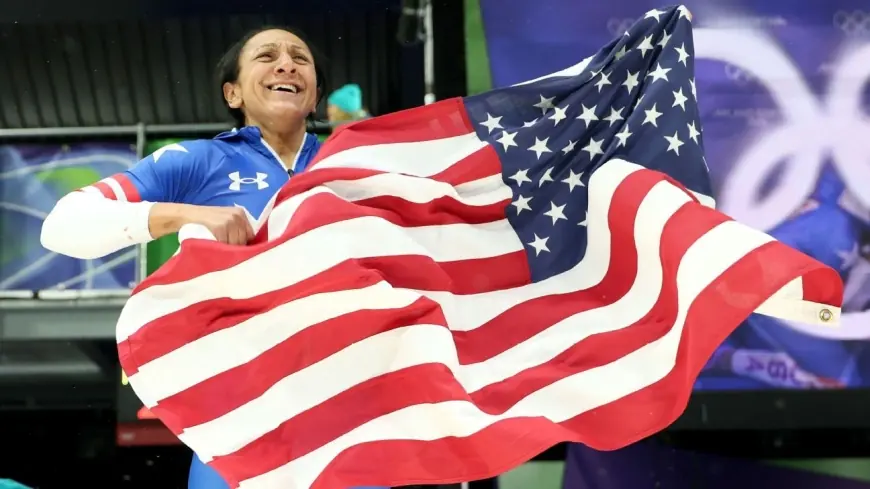
On Monday night (Feb. 17, 2026 ET), Elana Meyers Taylor produced the defining moment of an illustrious career, claiming the Olympic monobob title at the Milan Cortina Games. The 41-year-old bobsledder — whose two young sons watched her celebrate — capped a comeback story with a four-run, two-day time of 3 minutes, 57. 93 seconds to take gold.
Historic breakthrough and career context
Elana Meyers Taylor (elana meyers taylor) had stood on Olympic podiums five times before — three silver and two bronze — but the gold medal had eluded her. Her victory in Cortina d'Ampezzo not only completes that set but also cements her place in U. S. Winter Games history. The win made her the oldest American woman to hear the national anthem at the Winter Olympics and brought her career medal total to six, tying a long-standing mark for U. S. women at the Winter Games.
The path to gold was neither smooth nor guaranteed. Meyers Taylor has faced serious hurdles, including concussions and persistent questions about her longevity in elite sport. Those challenges framed the emotional weight of the moment: she leapt into the air, waved the American flag and fell to her knees in tears after hopping out of the sled — gestures that underscored both relief and vindication.
The final heat and podium drama
Germany's Laura Nolte led after the first three runs, holding a 0. 15-second advantage going into the fourth heat, with Meyers Taylor sitting second and teammate Kaillie Humphries Armbruster third. The margins were razor-thin; no other competitors were within striking distance. The format of sliding in reverse order left Humphries Armbruster to go first among the top three, followed by Meyers Taylor and then Nolte.
Humphries Armbruster finished her four runs in 3: 58. 05, securing a fifth career Olympic medal and celebrating immediately as she crossed the line. That result left the door open for Meyers Taylor, who delivered under pressure and wrapped herself in the American flag upon exiting the sled. Nolte, who had led much of the competition, ultimately settled for silver, while Humphries Armbruster earned bronze.
The emotional exchanges after the race were notable for their respect. Nolte acknowledged the significance of the moment and praised Meyers Taylor's persistence, while teammates and coaches reacted with unbridled joy — a clear signal of how meaningful this breakthrough was for the athletes involved.
Legacy and what this means for U. S. bobsled
Meyers Taylor’s gold reverberates beyond a single Olympic result. It marks the culmination of years of elite performance and resilience, and it highlights the longevity possible for athletes who balance elite training with parenthood. Both Meyers Taylor and Humphries Armbruster, who is also a mother in her 40s, pushed back against narratives that suggest peak performance fades quickly after 40 or after having children.
For the U. S. bobsled program, the podium sweep of sorts — with two Americans joining a German athlete — reinforces depth and experience as key strengths. Meyers Taylor’s achievement will likely inspire younger athletes and broaden discussions about career arcs, medical recovery and the possibilities for veteran competitors at the highest level.
Standing amid the alpine chill of Cortina, Meyers Taylor said the victory felt impossible at times — a remark that made the emotional celebration with her family all the more poignant. On a frosty evening in the Italian mountains, she finally has the gold that had long been missing from a storied Olympic résumé.