
























Marco Rubio’s Munich Pitch: Reassurance, Hard Power and Transatlantic Tensions

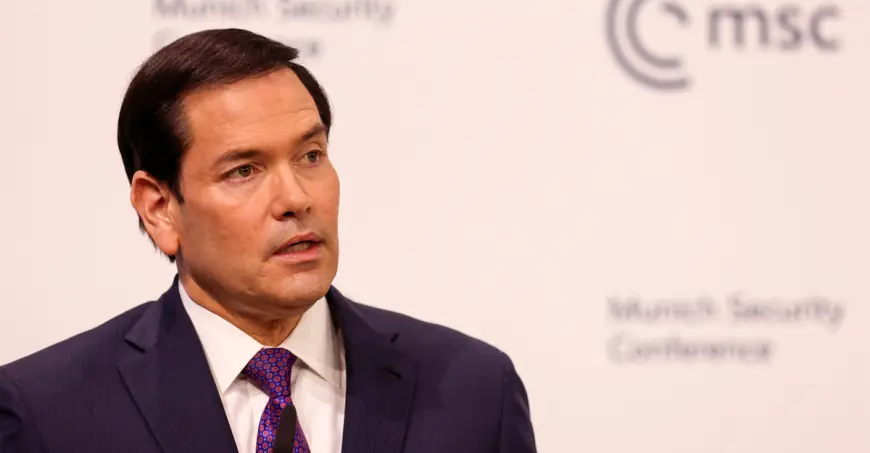
At the Munich Security Conference, Senator Marco Rubio delivered a message meant to calm jittery European audiences while underscoring a straightforward thesis: American leadership must be assertive, and allies should embrace stronger defenses rooted in shared cultural ties. His remarks won warm reactions from some delegates, but critics argue the speech glossed over recent European moves to bolster defense and support Ukraine.
What Rubio emphasized
Rubio framed his remarks around unity and renewal. He urged allies to take pride in their cultures and to stand alongside the United States in defending a shared civilization. He portrayed a return to muscular policy as part of a broader task of renewal and restoration, and suggested a more direct American posture could revive Western resolve. Central to that argument was a call for hard power and military investment rather than reliance on institutions and open borders.
The senator presented this position as a corrective: Europe, he implied, had grown complacent and would benefit from firmer leadership and clearer expectations about burden-sharing. The tone was designed to reassure those alarmed by the unpredictability of current U. S. politics while signalling that the administration expects allies to invest in their own security.
Where critics say he misses the data
Detractors contend Rubio’s account downplays measurable shifts on the continent. Over the past decade, European governments have significantly increased defense budgets and stepped up contributions to Ukraine’s defense—trends that predate the current U. S. administration and continued through recent years. Critics point out that non-U. S. NATO members boosted their collective defense spending by tens of billions of dollars in consecutive administrations, and that European states have been major providers of assistance to Ukraine.
Those critics also argue that European policy on migration and economic dependence has moved toward greater caution. Measures to speed asylum processing, tighten borders and scrutinize sensitive foreign investment have been adopted in multiple capitals. On trade and technology, European policymakers have increasingly sought to limit strategic exposures and align export controls with partners.
In short, the counterargument is that Rubio’s rhetoric overstates complacency in Europe and understates concrete steps allies have already taken to shoulder security burdens and reduce vulnerabilities.
Implications for the alliance and next steps
The exchange in Munich illustrates a broader challenge for transatlantic relations: reconciling a call for renewed hard power with recognition of partners’ own initiatives. Rubio’s appeal may help reassure nervous diplomats who fear abrupt disinterest in alliances, but it also risks alienating European leaders who view their recent investments as evidence of responsibility rather than dependency.
Going forward, the test will be whether rhetorical commitments are matched with policy coordination—defense planning, capability sharing and synchronized economic measures that reflect both American priorities and European realities. If Washington presses allies for more action, it will need to acknowledge what has already been done and build on those foundations rather than framing Europe as starting from scratch.
Munich offered a temporary balm for an anxious transatlantic audience, but the longer-term health of the alliance will depend on clarity, mutual recognition of progress, and cooperation on both military and non-military fronts.