












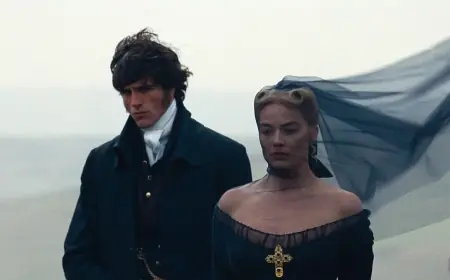






How to Get to Heaven From Belfast Recasts Murder Mystery With Humor and Heart

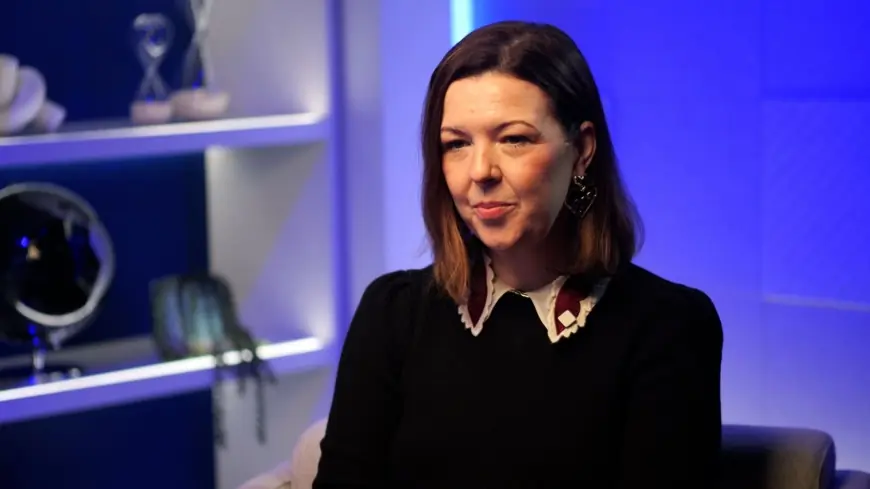
Lisa McGee has returned with a spirited new mystery that swaps nostalgic sitcom beats for a madcap whodunit. How to Get to Heaven From Belfast follows three reunited friends who investigate the strange death of their fourth childhood companion, using humor and local detail to upend tired expectations about life in the north.
From convent ruins to a modern "Murder, She Wrote"
McGee describes the project as a contemporary, funny take on the classic amateur-detective format. The show was seeded in a vivid, slightly eerie location: the derelict convent that once housed the creator’s primary school. Empty classrooms, scarves left in corridors and vines crawling over chalkboards provided a tactile sense of childhood suspended in time — a backdrop McGee folded into the story as a physical reminder of the lives that stretch from adolescence into middle age.
That blend of domestic detail and pulpy intrigue drives the series. The plot centers on Robyn, Saoirse and Dara — millennial women who were once inseparable with a fourth friend, Greta. When Greta’s funeral brings them back together, inconsistencies at the wake prompt Saoirse, a television crime writer, to suspect foul play. The trio reluctantly set off on an investigation that unspools over eight brisk episodes, full of comic detours and escalating shocks. McGee leans into the absurd — characters who are ill-equipped sleuths, a town full of odd characters and the private, painful reckoning of what each woman owes to her younger self.
Reframing Belfast: contemporary, diverse and not a stereotype
Where earlier work from the writer leaned on a specific historical backdrop, this series makes a point of refusing a single-story depiction. The conflict that shaped the region is present in the characters’ histories, but the show insists there are other, messier lives to dramatize. The result is a Belfast that feels modern and layered: diverse in race and sexual orientation, often preoccupied with everyday annoyances, and rarely indulging in nostalgic costume-piece shorthand.
Comedic set pieces underline the show’s contemporary register. A crossed-border quip about forgetting a euro purse and a poignant use of the Irish language in one scene are both small, effective reminders that place and identity can be complicated without serving as the whole plot. The cast helps sell that view. Performances range from high-wire comedy to unexpected menace; family tensions, workplace pressures and the petty humiliations of adulthood are all mined for laughs and pathos.
Energy, mystery and stakes
Stylistically the series is fast and brash. Plotting keeps momentum while the inquiry into Greta’s death peels back layers of the town and the women’s shared history. Moments of genuine poignancy puncture the caper, transforming what could have been a lightweight pastiche into something with emotional teeth: the past is not simply picturesque, and friendships are complicated by time, loyalty and secrets.
Early reactions from critics highlight the show’s velocity and comic precision, with particular attention paid to stand-out performances and McGee’s deft tonal control. For viewers who know the creator’s earlier work, this new series feels both familiar and intentionally different: it trades some of the previous show’s nostalgia for a sharper, wilder energy while still keeping an eye on the quiet human stuff beneath the jokes.
The series debuts Thursday (ET) and promises a lively, often surprising ride for anyone interested in a murder mystery that prioritizes character as much as clues.