






















‘Crime 101’ Shot as a Love Letter to Los Angeles, From an Echo Park Mural to the Sixth Street Bridge

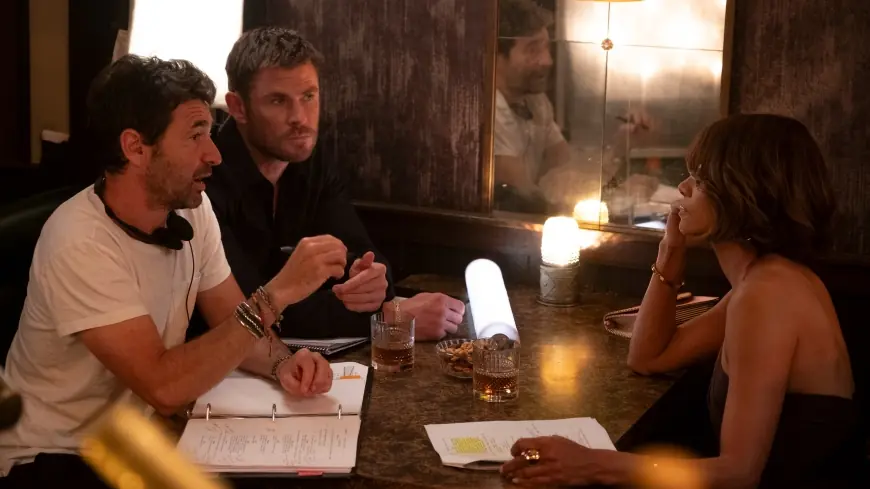
Bart Layton’s new film crime 101 positions Los Angeles as a central figure, not merely a backdrop. The heist thriller, built around a string of jewel robberies along the 101 freeway, was shot across neighborhoods chosen to map class, status and the city’s visible contrasts — from Echo Park food stands to the elevated sweep of the Sixth Street Bridge.
Location choices: an intentional map of L. A. ’s divides
Layton set out to show L. A. ’s social topography, he said, seeking areas that aren’t often captured on film. Production moved through a broad swath: immigrant-run jewelry stores in Downtown, small vendors on Echo Park Avenue and Sunset Boulevard, and high-end showrooms in Calabasas and the Regency-level gloss of Beverly Wilshire. The route of the 101 freeway threads the movie’s robberies together and functions as both plot device and geographic through-line.
The intent was explicit: place the audience in neighborhoods that express economic friction. Layton noted that a single diamond’s journey — from a modest downtown dealer to a luxury boutique in the hills — echoes larger patterns of value and exclusion. Filming on streetscape-level locations gave the production chances to capture everyday workers who help build the city’s economy as well as the neighborhoods that hide behind its glamour.
A city as character: class contrast, status anxiety and cinematic texture
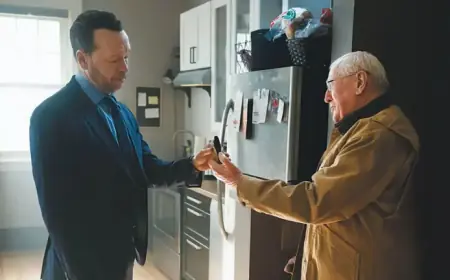
Layton and the cast have framed the picture as more than a routine heist film. Hemsworth’s thief lives on the margins of opulence, conducting meticulous robberies that avoid violence; Mark Ruffalo’s detective traces a pattern along the freeway and insists the crimes are linked; Halle Berry’s insurance professional confronts an office culture that won’t let her become a partner. Those arcs were deliberately set against a wide array of L. A. environments so the film could explore wealth inequality and status anxiety visually as well as narratively.
Berry described the project as a love letter to the city, one that highlights both beauty and underbelly. Hemsworth said the contrast between glamour and homelessness adds authenticity, and that shooting on film helped capture textures audiences rarely see. Ruffalo, who drew on his own early years living in tougher neighborhoods, emphasized that the film respects the distinctiveness of each community — Echo Park, Venice, Santa Monica and beyond — and stitches them together into a single cinematic portrait.
Production designer Scott Dougan and the locations team focused on small, telling touches: a taco stand at a busy intersection, jewelry stalls clustered around Downtown blocks, and elevated bridges that frame the cityscape. Those set pieces are meant to locate characters within concrete social geographies rather than abstract noir interiors.
Cast reflections and the film’s broader aim
Performances are grounded in the idea that the city shapes motive as much as opportunity. The thief’s nonviolent discipline, the detective’s fringe theory about a single mastermind, and the insurance agent’s negotiation with corporate gatekeeping all work as individual threads that tie back to place. Layton has adjusted the source novella to focus on social questions alongside the mechanics of robbery, using L. A. as a living environment to carry those themes.
The finished film aims to balance the pleasures of a stylish heist thriller with more reflective beats about class and urban life. It opens Feb. 13 (ET) in the U. S., and the production’s location-first approach is likely to remain its most discussed accomplishment: a mainstream genre picture that insists the city itself be seen and felt, down to murals, freeway underpasses and corner food stands.