














Wuthering Heights movie: what to know before the next adaptation hits

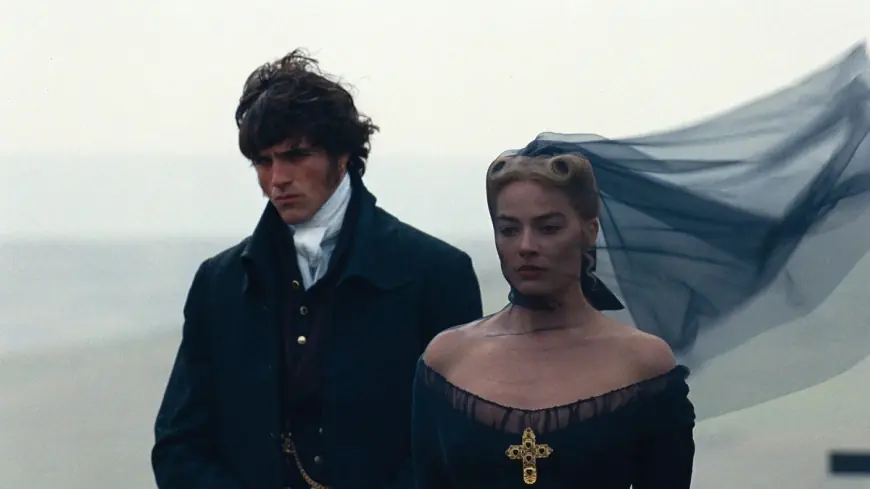
Emerald Fennell’s new adaptation of Emily Brontë’s novel opened this weekend and has ignited a heated debate. Some viewers have embraced the film’s sexed-up romance and pop soundtrack, while others argue it dilutes the book’s strange, brutal core and flirts with romanticizing abuse.
Critical pushback: ‘not strange enough’ for some
One prominent critique frames the film as a mismatch with the original novel’s unsettling power. Critics who hold the novel dear say the book’s singular blend of obsession, violence and unsettling narrative layering is diminished on screen. That perspective argues that the adaptation softens key elements — pruning the bleakness and formal oddities that made the source material feel otherworldly — and in doing so, loses what made the story feel like both the greatest and strangest love story at once.
Those same critics contend the movie reframes love into a more conventional, sexualized romance rather than the all-consuming, destructive force that functions across generations in the novel. For this contingent, the movie’s choices render Heathcliff and Catherine less mythic and more palatable, thereby undoing the very disquiet that sustains Brontë’s moral and emotional stakes.
Audience reaction: fandom, frenzy and controversy
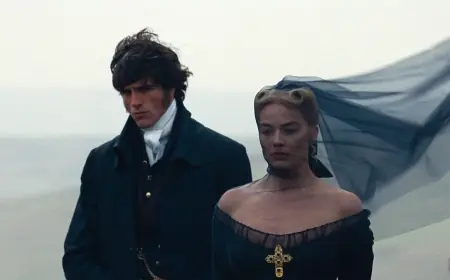
Audience responses have been emphatic and split. At a Feb. 13 private screening that drew a largely female crowd — a showing noted for its vocal enthusiasm at 6: 30 p. m. ET — viewers cheered the casting of Jacob Elordi opposite Margot Robbie and reacted strongly to the film’s sex-forward scenes and pop soundtrack. Many moviegoers praised the chemistry and called the adaptation a thrilling, provocative reimagining that foregrounds desire.
But that enthusiasm sits alongside persistent complaints. Some viewers argue the production whitewashes Heathcliff’s racialized background and thus erases important aspects of his outsider status in the novel. Others worry that trimming or reframing the book’s harsher episodes risks romanticizing coercive control and domestic abuse, turning a complex portrait of toxicity into titillating melodrama. The debate has proven unusually intense, with online communities and private screenings alike amplifying both admiration and alarm.
Adaptation choices: soundtrack, tone and what’s left out
Fennell’s film leans heavily into modern sensibilities: a contemporary pop soundtrack and glossy cinematography give the story a distinct sleeker sheen than many period treatments. Those stylistic moves are winning for viewers seeking an immediate, visceral cinematic experience. Yet they are also the flashpoints for critics who wanted a grimmer, stranger film that retained the novel’s formal experiments and moral ambiguity.
Beyond style, substantive cuts and reworkings have changed how characters and relationships register on screen. Several of the novel’s intergenerational dynamics and many of its crueller scenes receive lighter treatment or are omitted, which narrows the narrative’s sweep. For some, this concentrates the story into a tempestuous affair that reads like a two-person drama; for others, it erases the way Brontë used family and inheritance to extend the novel’s consequences across time.
Whatever side viewers take, the film has accomplished at least one thing: it has forced a fresh national conversation about how to adapt a famously strange and morally tangled book for modern audiences. That conversation continues in theaters and on social feeds this week, as critics and fans parse whether the film’s sensual immediacy is a successful reinvention or a concession that leaves too much of the novel’s essential danger behind.