




















'Love Story' Reignites Interest in Daryl Hannah’s Chapter With JFK Jr.

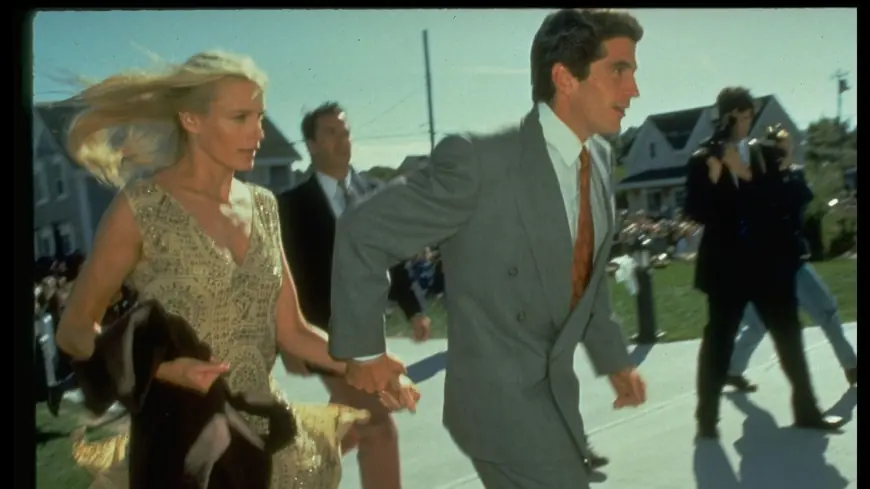
The new limited series that dramatizes John F. Kennedy Jr. and Carolyn Bessette’s romance has brought fresh attention to Daryl Hannah’s brief, high-profile relationship with JFK Jr. An actress portraying Hannah has reached out directly to the real-life star, while the show compresses and dramatizes the pair’s stop-and-start affair and the famous disapproval that surrounded it.
An actress’s personal outreach
The role of Daryl Hannah in the series is being played by a young performer who took the unusual step of sending Hannah a personal note before filming. The actress, who has a connection to Hannah through family friends, described the message as a “love note” expressing admiration for Hannah as a woman and a performer and saying it was an honor to step into the part. She emphasized she had no expectation of a reply, framing the outreach as a gesture of respect rather than an attempt to influence the portrayal.
That decision stands out because the production team generally approaches real-life figures by researching rather than interviewing them: a posture meant to preserve creative distance and avoid competing versions of events. In this case, the performer’s personal appreciation and the writers’ fictionalized approach coexist, creating a portrayal that is both an actor’s homage and a dramatist’s interpretation.
How the series frames the relationship and Jackie O. ’s reaction
The show makes clear that it is dramatizing events from a private past — choosing to compress timelines and omit many of the smaller pauses in the couple’s relationship in order to chart their larger arc. Early episodes jump forward through key moments so viewers can follow the emotional thrust rather than a blow-by-blow chronology of on-again, off-again dates.
One recurring beat is Jacqueline Kennedy Onassis’s skepticism about her son’s relationship with a Hollywood actress. The series dramatizes several tense encounters and a scene in which Hannah’s character rushes out of a family dinner, convinced that Jackie disapproved. That depiction leans into long-standing family lore: friends and chroniclers of the Kennedys have long suggested that the former first lady was uneasy about the idea of her son marrying an actress, even if that discomfort stopped short of outright hatred.
The show also nods to the era’s broader cultural textures — the fashion, the music and the pre-internet tabloids that amplified every whispered liaison. Viewers are reminded that the early 1990s were a very specific moment in New York and celebrity culture, which the series leans on to explain why a relationship between a scion of a political dynasty and a well-known actress felt fraught and public.
Context, legacy and what the dramatization leaves open
Beyond the courtroom of public opinion, the series touches on private struggles that shaped the Kennedys during the period, including a well-known medical diagnosis that affected the family’s life and public schedule. Those moments are presented not as documentary facts but as narrative forces that shape characters’ decisions and reactions.
For Daryl Hannah, the renewed attention underscores how a relatively brief association with a major public figure can become a long-lived chapter of a celebrated life. For viewers, the dramatization serves as a reminder that fictionalized television often blends documented events with imagined interiors, and that some elements — the small moments, the private conversations — will remain in the realm of interpretation.
The series premiered on Thursday, Feb. 12, and new episodes are being released weekly on Thursdays at 9: 00 PM ET. As viewers continue to weigh dramatized scenes against known facts and family memories, the portrayal of Daryl Hannah is already prompting conversations about reverence, responsibility and the storytelling line between history and fiction.