





















‘Wuthering Heights’ Gallops to an $82 Million Global Debut

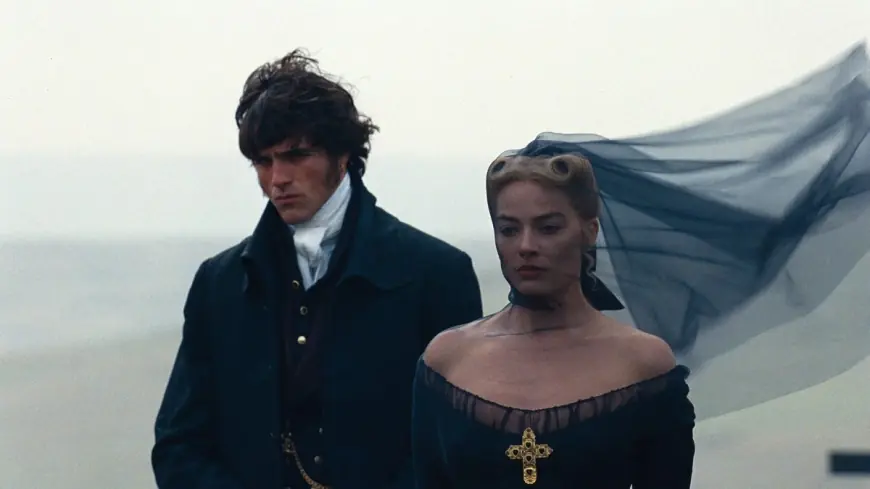
Emerald Fennell’s provocative reworking of Wuthering Heights opened to roughly $82 million in global ticket sales over the Valentine’s Day and Presidents’ Day holiday weekend (Feb. 14–17, ET), delivering a surprising commercial lift for an R-rated romantic drama and reigniting conversations about casting, adaptation choices and women’s visibility behind the camera.
Strong opening and box-office context
The film sold an estimated $40 million in ticket sales in the United States and Canada over the four-day weekend, while international markets contributed about $42 million, combining for an approximate $82 million global debut. Production costs were estimated at $80 million, not including substantial marketing spend; the distributor placed the picture into more than 18, 000 theaters worldwide to maximize theatrical reach.
For a romantic drama that leans R in tone and content, the opening signals an appetite among mainstream audiences for filmmaker-driven reimaginings when they are marketed as event releases. The film skewed heavily female in audience makeup and drew solid exit-poll grades, suggesting that promotional positioning around star chemistry and bold tonal choices paid off during the holiday window. North American box-office receipts had climbed modestly in the prior year, but domestic totals remain well below pre-pandemic peaks, so a high-profile theatrical rollout remains an important map for commercial viability.
Creative choices spur praise and controversy
The director’s glossy, muscular take on the Emily Brontë novel has divided viewers and commentators. Supporters have praised the film’s visceral energy, the casting chemistry between its leads, and the director’s willingness to reshape the source material. Detractors point to the treatment of the novel’s darker themes and to casting decisions that some see as sanitizing or whitewashing a character traditionally depicted with different racial and ethnic signifiers in the text.
Some early screenings produced enthusiastic reactions among audience segments that celebrated the film’s romantic intensity, while others raised questions about whether key elements of the book—its inheriting cycles of abuse, coercive control and class tensions—were softened or reframed to emphasize sexual chemistry over psychological harm. That split has amplified debates about how classic literature should be adapted for modern screens and who gets to interpret canonical works for contemporary viewers.
What the debut means for women directors
The film’s commercial start also sharpened a broader industry discussion: the financial and cultural returns when studios back female directors with substantial budgets and wide theatrical distribution. The director is one of a comparatively small group of women who have been granted the resources for high-profile projects despite limited box-office track records; earlier features from the same filmmaker earned critical acclaim and awards recognition but modest ticket sales during pandemic-affected releases.
Advocates for greater parity point to the film as evidence that studios can and should place larger bets on women filmmakers, arguing that fresh perspectives can yield both cultural impact and commercial results. Critics of the industry’s status quo note that while some companies have made exceptions, women overall remain a small fraction of directors helming top-grossing releases, a disparity that observers say hasn’t narrowed in recent years.
Whether the film’s opening weekend will translate into sustained box-office legs and awards-season momentum remains to be seen. For now, the release is a reminder that risky, director-led adaptations can still draw sizable theatrical audiences—while also reopening conversations about representation, adaptation fidelity and the strategies studios use to nurture new filmmaking voices.