























ANTM winner Adrianne Curry details 'psychological warfare' and grueling conditions on early seasons

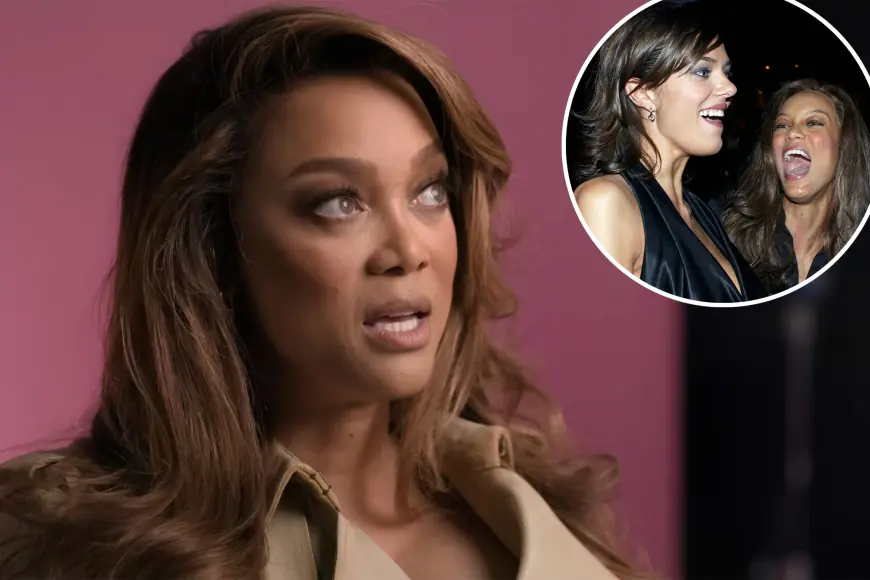
Adrianne Curry, the first champion of ANTM's debut cycle, has offered a stark account of the conditions behind the cameras during the show's early years, describing prolonged hunger, intentional sleep deprivation and what she calls manipulative production tactics. Her remarks arrive as a new documentary teaser revisits the show's legacy and the decisions that shaped its evolution.
Grueling conditions: hunger and sleepless nights
Curry says contestants on the original season were routinely left without proper meals, recalling that production sometimes withheld food until late in the day. "We were starving every single day, " she said, adding that cast members were not fed until mid- to late afternoon. She described rapid weight loss and a moment when family members noticed how gaunt she looked after filming concluded.
Beyond limited food, Curry alleges the schedule was designed to exhaust competitors. She recalled elimination sequences stretching into the early hours, with cast members kept awake until around 2: 00 a. m. ET and then awakened again before dawn, as early as 5: 30 a. m. ET, for more filming. "The sleep deprivation that was purposely happening... keeping us in the elimination until 2 a. m., and then waking us up 'til, you know, 5: 30 a. m., like there was a lot of s--t going on like that, " she said.
As the contestant pool shrank, Curry added, production began dismantling parts of the set — including the kitchen — which eliminated any chance for models to prepare their own food. That tightening of resources, she said, compounded the physical toll of long days and a stressful competition environment.
Psychological tactics and lasting damage
Curry used the phrase "psychological warfare" to describe what she called intentionally provocative interview techniques. She described off-the-cuff questioning designed to plant doubt and stoke conflict — examples included producers prompting contestants to speculate about each other's health or habits. "They're asking you questions, and they're planting the seeds, like, 'So you think this chick here has an eating disorder? Do you think it's like that?' They were f--king with you openly, " she said.
Those tactics, Curry believes, left emotional marks as well as physical ones. She recounted a traumatic makeover delivered on air: the show required her to wear a weave that she says caused severe irritation and open wounds on her scalp. Fearful that any complaint might jeopardize her place in the competition, she said she remained silent despite the pain.
Reflecting on who bears responsibility, Curry placed partial blame on the show's leadership for fostering a toxic environment while also criticizing the audience appetite for conflict. "There is a bloodthirsty mob that has existed in humanity... We love to see people suffer, " she said, arguing that viewer demand helped push production to escalate drama each cycle.
Documentary teaser renews scrutiny of the franchise
A recent teaser for an upcoming documentary revisiting the series drew renewed attention to those early practices. In the preview, the show's creator reflected on pressure to amplify drama as the program matured, and Curry's comments arrive amid that broader reassessment of reality TV standards from the 2000s.
The franchise ran for more than two decades, beginning in 2003 and concluding its regular run in 2018 after 24 seasons. Curry's firsthand recollections underscore how much the production landscape has changed, with modern safeguards and regulations that she says were largely absent during the series' formative years.
Whether the documentary prompts formal reckonings or further industry reforms remains to be seen, but Curry's testimony has already reopened conversations about contestant welfare, manipulation in reality programming and the long-term costs of producing high-stakes entertainment.