























JFK Jr. Spotlight Spurs Fashion Debate as 'Love Story' Collides with Calvin Klein Runway

Ryan Murphy’s new limited series premiered on Feb. 12 (ET), thrusting the private romance of jfk jr and Carolyn Bessette Kennedy back into public conversation. The show’s meticulous recreation of 1990s minimalism — from Calvin Klein office interiors to understated wardrobes — arrived at the same moment a high-profile Calvin Klein runway presentation chose a different, earlier reference point. The juxtaposition has sharpened questions about how fashion and entertainment mine recent history, who gets to tell these stories and what the revival of a style actually means.
A style resurrected — and reinterpreted
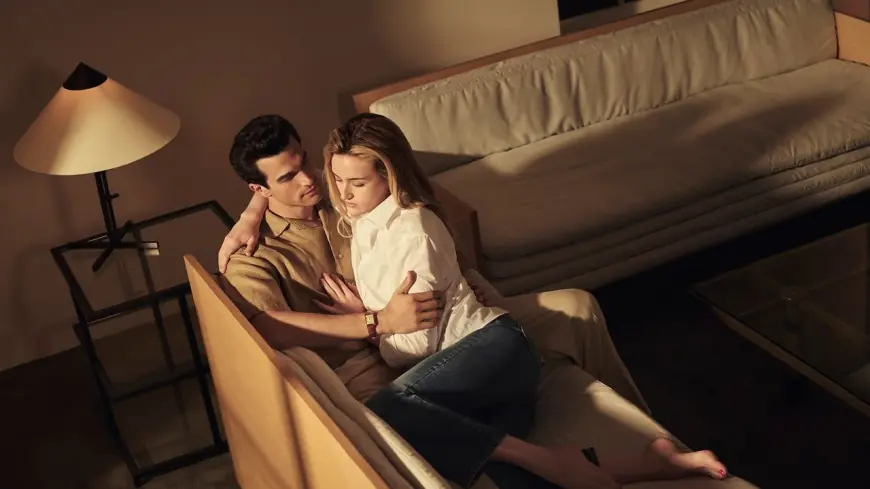
The series leaned hard into the spare, controlled aesthetic that made Bessette Kennedy a shorthand for quiet glamour: clean lines, neutral palettes, and an economy of detail that turned practical pieces into icons. Production and costume teams recreated period offices, lofts and showrooms that emphasized glass, light and the sort of corporate minimalism that defined parts of Manhattan in the late 20th century. That framing transformed outfits — a racer-back tank, a slip dress, a crisp white shirt — into props of nostalgia and narrative, reinforcing the visual shorthand that has long connected Bessette Kennedy to a particular Calvin Klein moment.
At the same time, the contemporary Calvin Klein runway took a deliberate detour. Its creative direction leaned toward late 1970s and early 1980s references, offering a moodier, less trimmed-down approach than the 1990s look now flooding screens. The collection mixed suiting experiments — backless tailoring and sleeveless constructions — with touches that flirted with high-low readability rather than literal revivalism. For designers and audiences, the split highlighted two competing impulses: faithful reconstruction of a recognizable past and the impulse to reframe a legacy in new, potentially surprising ways.
Creative ownership, public grief and the limits of dramatization
The series has not only provoked aesthetic commentary; it has reopened old ethical debates about dramatizing recent tragedies. A family member criticized the production as exploiting a personal loss, describing the adaptation of private grief into entertainment as grotesque. The show's creator pushed back publicly, questioning whether anger at a figure from a largely remembered past was warranted. The exchange underscores an enduring tension: cultural appetite for mythic stories versus the rights of relatives who feel that memory and intimacy are being repurposed without consent.
Those questions are complicated by the commercial ripple effects of revival. When a high-profile dramatization elevates a visual vocabulary — a cut, a shoe, a mood — brands and labels quickly respond. Some companies have already launched capsules framed as homages to 1990s romance. That dynamic can dilute a single brand’s ownership of a look and accelerate the mainstreaming of aesthetics that once felt exclusive or archival. For designers, that means choices about whether to chase a revived trend or to push the label’s identity in another direction entirely.
What comes next for Calvin Klein and cultural memory
Fashion houses face a strategic choice: lean into reproduced nostalgia that will attract immediate attention, or reposition a legacy brand by mining earlier chapters of its history. The recent runway signaled the latter, opting to revisit a formative, less codified era. The series, meanwhile, may end up doing more to globalize the Bessette Kennedy–Calvin Klein shorthand than any single show or collection. For audiences and buyers, the result is a richer, if messier, landscape in which images from television and the runway feed one another, while relatives and some viewers question the ethics of turning private lives into public spectacle.
Whatever the long-term impact, the simultaneous arrival of the show and the runway has done what cultural events often do: it forced a conversation about how memory, commerce and creativity intersect. In this case that conversation is being staged across screens and catwalks, and it revolves around one slim silhouette and one fragile, much-discussed American myth.