























10 Iconic ’70s Films That Can’t Be Recreated Today

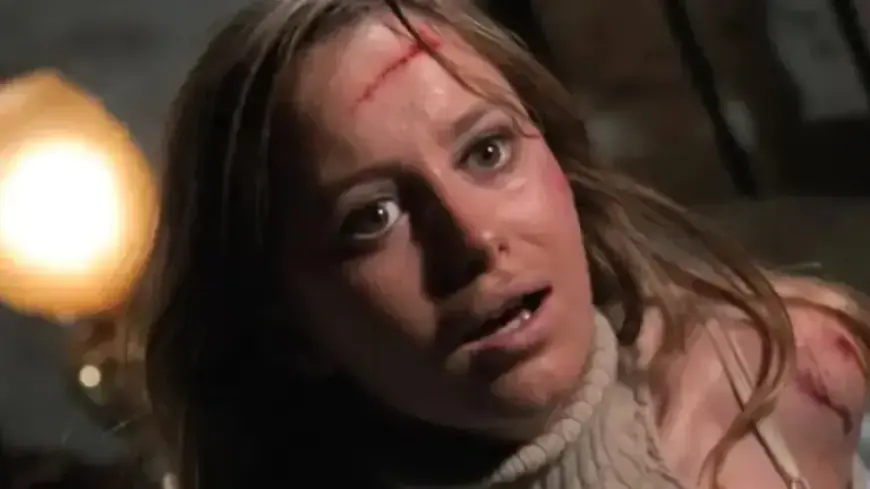
The 1970s were a transformative decade in the film industry, marked by a wave of creativity and a willingness to tackle complex themes. Filmmakers pushed boundaries, presenting narratives that many today might find too provocative or intense. Below, we explore ten iconic ’70s films that exemplify this artistic freedom and highlight why they cannot be recreated in today’s cinema.
10 Iconic ’70s Films That Can’t Be Recreated Today
1. Don’t Look Now (1973)
This psychological horror film features Julie Christie and Donald Sutherland. It explores themes of grief and perception through the narrative of a couple in Venice, mourning their daughter’s death. The innovative editing and haunting imagery contribute to its unforgettable impact.
2. Last Tango in Paris (1972)
Starring Marlon Brando and Maria Schneider, this film delves into a complex relationship between two strangers. It boldly examines sexual dynamics and the emotional fallout of their interactions. Its explicit content led to significant censorship, raising ethical questions that resonate today.
3. A Clockwork Orange (1971)
Directed by Stanley Kubrick, this dystopian film features Malcolm McDowell as a violent anti-hero. The movie’s exploration of morality and free will alongside stylized violence sparked intense debate upon release. Its dark themes would likely face heavy scrutiny in the current cinematic landscape.
4. Straw Dogs (1971)
Dustin Hoffman’s unsettling portrayal of masculinity marks this film as controversial. Set in rural England, it depicts a mathematician facing escalating hostility. The film’s provocative scenes challenge modern viewers’ values concerning violence and morality.
5. Taxi Driver (1976)
This Martin Scorsese masterpiece features Robert De Niro as Travis Bickle. The film provides a gripping look at urban alienation and psychological distress. Its themes, including the involvement of a teenage sex worker, would likely provoke considerable backlash if produced today.
6. The Devils (1971)
Ken Russell’s historical drama critiques authority through the lens of a 17th-century French priest. The blend of religious themes and sexuality creates a complex narrative fraught with controversy, challenging viewers’ interpretations of power and morality.
7. Salò, or the 120 Days of Sodom (1975)
This film by Pier Paolo Pasolini is infamous for its graphic portrayal of fascist cruelty in Italy. The brutal content incited global censorship, yet its philosophical commentary remains provocative, pushing the boundaries of ethical filmmaking.
8. Deliverance (1972)
Starring Jon Voight and Burt Reynolds, this survival thriller follows four men on a disastrous canoe trip in the wilderness. The film’s intense psychological exploration and questionable depictions of masculinity stir ongoing conversations about representation in cinema.
9. The French Connection (1971)
A landmark crime film, it stars Gene Hackman as a detective embroiled in a thrilling drug operation chase. Its gritty realism and moral ambiguity would present challenges for modern filmmakers, particularly with its famous and chaotic car chase sequence.
10. Apocalypse Now (1979)
Directed by Francis Ford Coppola, this epic film blends military narrative with profound philosophical themes. The legendary production difficulties are chronicled in the documentary *Hearts of Darkness*. Its ambitious storytelling and artistic vision epitomize 1970s auteur cinema, making it unlikely to receive similar support from contemporary studios.
These ten iconic ’70s films not only showcase the creative freedoms of the era but also leave a lasting legacy. Their provocative themes challenge conventional filmmaking boundaries, making them difficult, if not impossible, to recreate in today’s industry.