

























Pam Bondi Hearing Fallout: Epstein Files Search Sparks Clash With Reps Massie, Ted Lieu, Jayapal, and Becca Balint

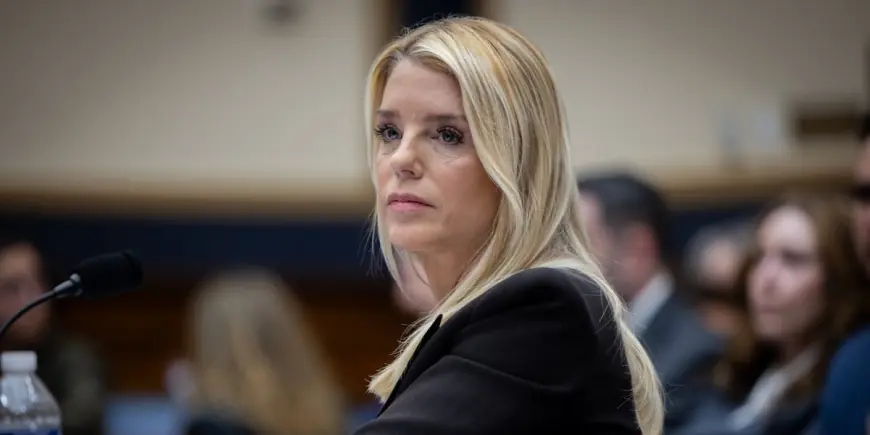
A recent Pam Bondi hearing on Capitol Hill has turned into a fresh flashpoint over the federal government’s handling of the Epstein files, with Attorney General Pam Bondi facing sharp questions from Democrats and an unusually pointed push from Rep. Thomas Massie. The dispute is now spilling beyond one hearing room, feeding a broader fight about transparency, victim protection, and whether the Justice Department is prioritizing politics over public accountability.
Despite searches for “Pam Bondi hearing today,” there was no widely confirmed, new Bondi testimony scheduled for Monday, February 16, 2026, ET. The confrontation driving the current news cycle stems from a House Judiciary Committee oversight hearing held Wednesday, February 11, 2026, at 10:00 a.m. ET, plus developments in the days immediately after.
What happened at the Pam Bondi hearing
At the February 11 oversight hearing, lawmakers pressed Bondi on the Justice Department’s processing and release practices around Epstein-related records. A central moment came when Democratic members highlighted the presence of Epstein survivors and criticized the department for what they described as a failure to treat victims as stakeholders rather than collateral damage in a document fight.
Bondi rejected demands to deliver a direct apology to survivors in the room and pushed back on accusations that the department had mishandled redactions and releases. The exchange escalated into personal and procedural sparring, with Rep. Ted Lieu and Rep. Pramila Jayapal among the most aggressive questioners and Rep. Becca Balint joining the pressure campaign with lines of questioning that tied the dispute to broader concerns about influence and accountability.
Rep. Thomas Massie, a Republican who often frames his oversight work around transparency, also surfaced as a key figure in the clash, reflecting a rare dynamic: a politically polarized hearing where the transparency critique does not run along a single party line.
Who is Pam Bondi, and how old is she?
Pam Bondi is the United States Attorney General, serving in the role since early 2025. Before that, she was Florida’s attorney general from 2011 through 2019 and later returned to national politics as a prominent legal and political figure.
Bondi was born November 17, 1965, which makes her 60 years old as of February 16, 2026, ET.
Behind the headline: why the Epstein files search became a political weapon
The fight is not only about documents. It is about control of narrative, risk management, and institutional legitimacy.
Context matters: Epstein-related records are uniquely combustible because they combine public interest, potential reputational harm to powerful people, and a legal obligation to protect victims from exposure. That combination creates incentives for every actor to claim the mantle of transparency while also shaping what transparency actually means in practice.
Bondi’s incentives are clear. As attorney general, she has to defend the department’s procedures and protect ongoing legal sensitivities, while also responding to a highly charged political environment where even technical redaction decisions can be framed as cover-ups or retaliation. Democratic lawmakers, especially Jayapal and Lieu, have incentives to portray the department as evasive and to elevate victim-centered framing, which can resonate beyond partisan audiences. Massie’s incentive is different: he benefits from highlighting process failures as proof that government institutions cannot be trusted to police themselves.
Stakeholders extend far beyond Congress. Epstein survivors are directly affected by how names and personal details are handled. Career prosecutors and records staff face operational pressure and reputational blowback. Political appointees face the risk that any misstep becomes a headline about corruption rather than competence.
What we still don’t know
Several key points remain contested or not fully resolved in public detail:
-
The exact internal decision chain for how Epstein-related files were selected, processed, and redacted
-
Whether any victims’ identifying information was exposed through error, and what corrective steps were taken
-
Whether removals or changes to public-facing records systems were routine updates, legal compliance moves, or reactive damage control
-
How the department is tracking access to sensitive files, and whether any monitoring of lawmakers or staff occurred beyond standard security protocols
Separately, post-hearing statements and letters from lawmakers have raised concerns about monitoring and access conditions for members reviewing sensitive material. Those claims are serious and politically potent, but the operational specifics and the department’s formal response are what will determine whether the dispute becomes an ethics scandal, a court fight, or a short-lived partisan flare-up.
What happens next: scenarios and triggers to watch
-
A formal document production schedule is negotiated or imposed. Trigger: committee deadlines, subpoena threats, or a court-related disclosure event.
-
New redaction standards are announced. Trigger: evidence of victim exposure, inspector review activity, or bipartisan pressure converging on process fixes.
-
Expanded oversight hearings are scheduled. Trigger: lawmakers claiming noncompliance, contradictory testimony, or new whistleblower allegations.
-
Internal watchdog review accelerates. Trigger: credible claims of improper monitoring, mishandled privacy protections, or politicized decision-making.
Why it matters
This story sits at the intersection of trauma, trust, and power. If the Justice Department cannot convincingly show that it protects victims while handling high-profile records fairly, the damage is not limited to one case file. It undermines public confidence in how the legal system treats vulnerable people when the stakes involve influential figures.
The political stakes are equally real. For Bondi, the hearing spotlight creates a continuing test of credibility: not just what the department did, but whether it can explain its actions without escalating conflict. For lawmakers like Jayapal, Lieu, Balint, and Massie, the next phase is about converting outrage into enforceable oversight outcomes rather than another round of viral clashes.