

























Federal Alcohol Tax Increase Takes Effect April 1

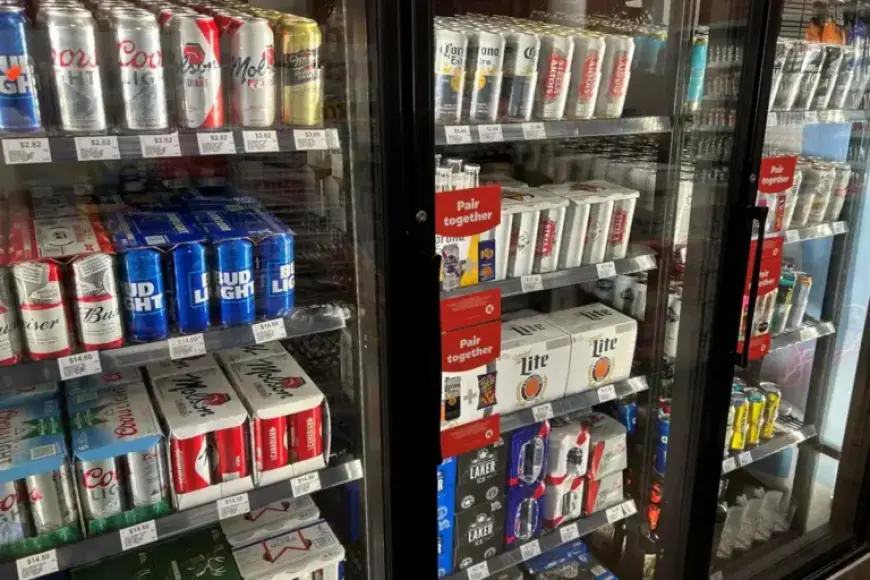
As Canadians face rising living costs, the federal government’s decision to increase alcohol taxes has sparked significant opposition. Starting April 1, a two percent federal excise tax will be implemented on beer, wine, and spirits. Advocacy groups and unionized brewery workers are urging the government to reconsider this move, citing affordability concerns for consumers and businesses alike.
Opposition to the Alcohol Tax Increase
The Canadian Taxpayers Federation (CTF) is advocating for the immediate cancellation of the tax hike. Franco Terrazzano, CTF Federal Director, stated, “Canadians are struggling with the cost of everything. Increasing taxes on a cold one is not the solution.”
Critics argue that making life more difficult for brewers, distillers, and hospitality sectors is counterproductive. They urge the federal government to cut taxes to enhance the competitiveness of Canadian businesses.
Financial Impact of the Tax Hike
- The alcohol tax increase is estimated to cost taxpayers approximately $41 million in the fiscal year 2026-27.
- The alcohol escalator tax, implemented in the 2017 federal budget, raises excise taxes automatically each year without parliamentary approval.
- Since its introduction, the escalator tax has led to an estimated $1.6 billion burden on taxpayers.
Unionized Canadian brewery workers expressed concern in a letter to the federal government. They warned that another automatic tax hike, combined with tariffs and rising costs, could compel breweries to cut production and jobs, threatening the livelihoods of many workers.
Collective Tax Burden and Future Outlook
Currently, taxes from various government levels constitute about half of the retail price of alcohol. Critics like Terrazzano characterize these automatic tax increases as undemocratic, uncompetitive, and unsustainable.
He emphasized, “If politicians believe Canadians aren’t taxed enough, they should have the courage to vote on it.” The ongoing debate underscores the tension between government revenue needs and the financial realities faced by everyday Canadians. As the April 1 deadline approaches, the pressure on the government to revisit this tax hike intensifies.