
























Chinese New Year 2026 Date Set for February 17 as the Year of the Horse Begins

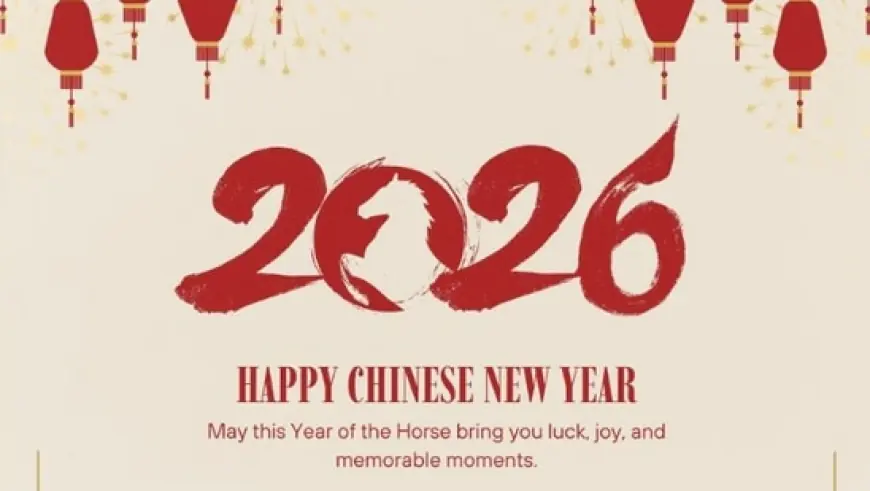
Chinese New Year 2026, also widely called Lunar New Year, falls on Tuesday, February 17, 2026, in Eastern Time. That makes Monday night, February 16, 2026, Lunar New Year’s Eve for many families celebrating in North America, with the first full day of the holiday landing on Tuesday.
The calendar matters this year because the date pins the start of the Year of the Horse, a zodiac year associated in popular tradition with movement, stamina, and bold changes. For households, businesses, schools, and city agencies planning parades, cultural programming, travel, and staffing, knowing the exact day is the difference between a smooth celebration and a logistical scramble.
When Is Chinese New Year 2026 and What Counts as Lunar New Year
Chinese New Year is the first day of the first lunar month in the traditional lunisolar calendar. In practical terms, it is the day that kicks off a multi-week season that includes:
-
Lunar New Year’s Eve: Monday, February 16, 2026, ET
-
Lunar New Year Day: Tuesday, February 17, 2026, ET
-
A broader festival period that typically runs through the Lantern Festival in early March
Many communities treat the celebration as a season rather than a single day. That is why you may see major events scheduled on the weekends before and after February 17, even when the actual New Year day is midweek.
Year of the Horse: What the Zodiac Shift Signals in 2026
The Year of the Horse label does not change the calendar, but it does shape how people frame the year culturally and commercially. You will see “horse” themes everywhere: in red-envelope designs, brand campaigns, public art, and school programming. For many families, it also informs the tone of New Year wishes, focusing on momentum, health, and steady progress.
Behind that symbolism is a very modern reality: the zodiac is a shared cultural shorthand that helps communities market events, drive foot traffic, and create a unifying storyline across generations. The Horse becomes an organizing concept for everything from museum exhibits to restaurant prix fixe menus.
Behind the Headline: Why Lunar New Year 2026 Is a Logistics and Economic Story
Lunar New Year is always cultural, but it is also one of the world’s biggest operational stress tests.
Context: The holiday period triggers one of the largest annual surges in travel, shopping, and family gatherings. Transportation systems, hospitality staffing, and supply chains feel the impact, especially around peak departure and return days.
Incentives: Governments and businesses have a straightforward goal during Lunar New Year season: turn reunions into spending. That can mean extended holiday windows, local vouchers, late-night transit schedules, and aggressive retail promotions. For employers, the incentive is retention and continuity, because post-holiday job switching can spike in some sectors.
Stakeholders: Families want safe, affordable travel and reliable services. Small businesses want predictable crowds and inventory delivery. Cities want crowd control and public safety, especially around fireworks and large parades. Schools and community groups want spaces and permits for cultural programming.
Second-order effects: Travel surges can tighten airline and hotel pricing well beyond the holiday week. Shipping delays can ripple into February and March as warehouses and ports catch up. Public safety incidents can trigger rapid enforcement shifts on fireworks or event permitting, affecting celebrations far from where an incident occurred.
What We Still Don’t Know Heading Into Lunar New Year 2026
Several details often remain fluid until the last week:
-
Local parade and festival security plans, which can change quickly based on crowd forecasts
-
Fireworks rules by city, which may tighten after safety incidents
-
Transportation capacity additions, such as extra trains, buses, or late-night service
-
Weather disruptions in key travel corridors, which can reshape attendance and staffing
If you are planning a large gathering, the most practical unknown is not the date. It is whether your local events will shift start times, routes, or entry rules.
What Happens Next: Likely Scenarios for the Lunar New Year Season
Here are realistic paths for how the next two weeks can play out, with clear triggers:
-
Bigger-than-expected crowds at weekend events
Trigger: strong early turnout on February 14 to 15, 2026, ET, leading to expanded street closures and added security. -
A squeeze on reservations and pricing
Trigger: late booking waves from families aligning travel with school schedules and extended workplace time off. -
Tighter fireworks enforcement
Trigger: any additional safety incidents or air-quality concerns, prompting stricter checkpoints and permit controls. -
A shift toward indoor celebrations
Trigger: cold snaps or storms in major metro areas pushing attendance from street festivals to malls, community centers, and ticketed venues. -
Stronger focus on local spending over long-distance travel
Trigger: cost pressures and crowded transit nudging families to celebrate closer to home, boosting neighborhood restaurants and small retailers.
Why the Chinese New Year 2026 Date Matters
If you only remember one thing, it is this: Chinese New Year 2026 is Tuesday, February 17, 2026, ET, launching the Year of the Horse. From there, the real story is how a single calendar date scales into a season that reshapes travel, public safety planning, and local economies, while giving communities a shared moment to reset priorities for the year ahead.