
























Robert Duvall’s Last Movie: What His Final Screen Role Was, and What It Says About His Late-Career Choices

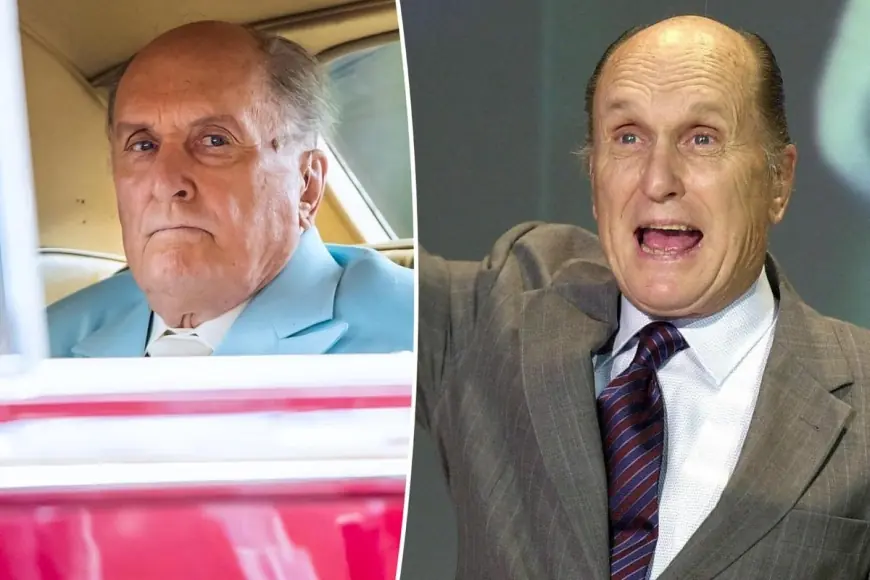
Robert Duvall’s last movie appearance came in the period mystery thriller The Pale Blue Eye, a project that now stands as his final credited film role. In the film, Duvall plays Jean-Pepe, a supporting part that arrives late in the story but carries the kind of lived-in weight he was known for across seven decades of work.
The focus on Duvall’s “last movie” has intensified after news of his death, announced Sunday, February 15, 2026, ET. The question is not only which title closes his filmography, but why that title fits the way he worked: selective, character-first, and uninterested in chasing screen time for its own sake.
What Robert Duvall’s last movie was
The Pale Blue Eye is widely treated as Duvall’s final on-screen film credit, with its release spanning late 2022 and early 2023. While Duvall continued to be discussed in connection with other projects, none has been as consistently identified as a later, completed, and publicly released acting credit.
That makes The Pale Blue Eye the clean answer to “Robert Duvall last movie,” with one important caveat: film credits can shift when unfinished or unreleased projects eventually surface. As of now, this is the last finished, released feature tied to his name.
Behind the headline: why this kind of final role makes sense for Duvall
Duvall’s late-career pattern favored three things:
First, ensemble stories where he could add gravity without carrying the whole narrative. That allowed him to avoid repetition and preserve the surprise factor that defined his best work.
Second, directors and scripts built around mood and character detail rather than spectacle. The Pale Blue Eye is driven by atmosphere, restraint, and performance texture, all natural terrain for an actor who made small choices feel enormous.
Third, roles that read as real people, not “legacy” cameos. Even in a smaller part, Duvall tended to arrive with a fully imagined inner life, which is why his final credit still feels like acting, not a victory lap.
The incentive structure here matters. Veteran actors with iconic résumés often face offers that trade on recognition rather than craft. A role like Jean-Pepe signals a preference for material that respects the actor’s instincts more than the actor’s brand.
Stakeholders and ripple effects: what a “final film” changes
A last-screen-credit moment reshapes incentives for multiple groups:
-
Studios and financiers may reframe marketing around a “final performance,” which can boost attention but also risks reducing the role to a label rather than a performance.
-
Awards and guild communities tend to revisit career arcs, which can elevate older work and prompt retrospectives.
-
Estates and rights-holders face practical decisions about how to manage archival value, licensing, and the tone of tributes.
-
Co-stars and directors may be asked to speak for the record, which can influence how the production is remembered.
Second-order effects can be surprisingly concrete: renewed demand for back-catalog titles, reissues, repertory screenings, and a spike in interest for the specific genre lane he occupied so well, especially American character-driven dramas.
What we still don’t know about any posthumous credits
There are periodic references in industry databases to projects linked to Duvall that are listed as in development or post-production. The missing pieces are straightforward but important:
-
Whether Duvall completed filming
-
Whether the project is fully edited and cleared for release
-
Whether distribution and release timing are locked
-
Whether his involvement was substantial or limited
Until those questions are answered publicly, it’s best to treat The Pale Blue Eye as the definitive final released movie, while acknowledging that a posthumous release could later become the last project audiences see.
What happens next: realistic scenarios to watch
Here are plausible next steps, each with clear triggers:
-
A previously listed project receives a confirmed release plan, making it the next “final appearance” conversation.
-
A formal slate of tributes and retrospectives is announced, expanding attention beyond the final film to key career peaks.
-
Rights-holders approve restorations or special editions, increasing visibility for titles that shaped his legacy.
-
Cast and crew from his last productions speak publicly, adding detail about his final working years and choices.
Why it matters
“Robert Duvall last movie” is a simple query with a bigger point underneath: Duvall’s final screen chapter reinforces how he navigated fame. He didn’t retire into nostalgia. He kept choosing roles that fit his strengths, respected the audience, and served the story. If The Pale Blue Eye is the last word on his film acting career, it’s a fitting one: a final turn rooted in character, not ceremony.