























Tear Gas and Water Cannons Used as Thousands Protest in Tirana, Albania

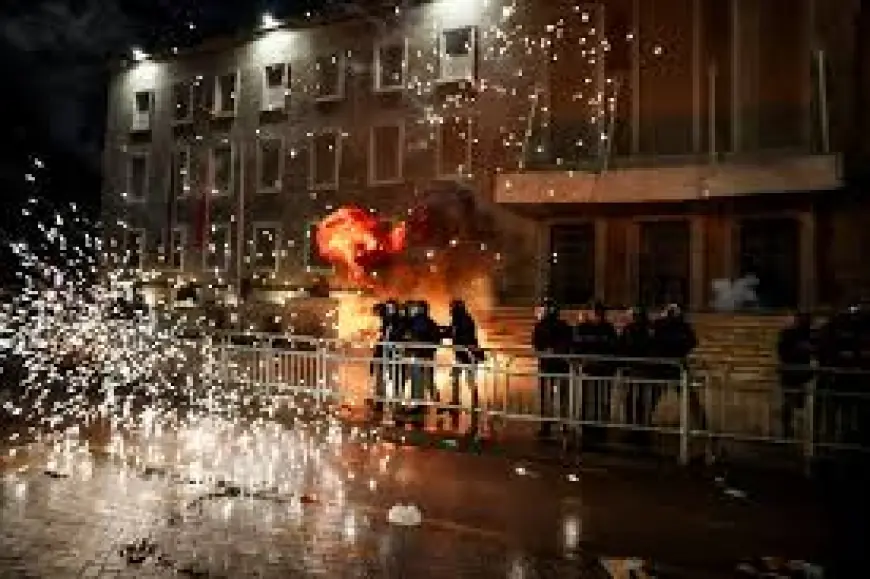
Riot police deployed tear gas and water cannons as thousands of demonstrators took to the streets of Tirana, pressing for the resignation of the deputy prime minister amid corruption allegations. Footage from the scene showed chaotic scenes, with flares lighting the night and security forces attempting to contain the crowds.
Clashes unfold in the capital
The demonstration in the Albanian capital escalated when police moved to disperse the crowd. Officers used water cannon vehicles and fired tear gas to push back protesters who had gathered near government buildings. Multiple flares were launched into the air during the confrontation, and smoke from the gas hung over nearby streets. Video captured lines of police shields and protesters confronting security forces as tensions rose.
Organizers had called for the rally to demand accountability and the resignation of the deputy prime minister following recent allegations of corruption. The scale of the turnout reflected widespread public anger, with demonstrators chanting and holding banners as they sought to bring attention to the accusations.
Political fallout and official posture
The protests underscore growing political pressure on senior officials. Protesters demanded concrete action, calling for investigations and for the implicated official to step down. There was no immediate official statement from the government at the time footage of the clashes circulated, and key institutions have been under scrutiny as calls for transparency intensify.
Political leaders and civil society groups have in recent weeks urged calm, but the demonstrations highlighted the depth of public frustration. The confrontation in the capital raised questions about how authorities will balance public order with the right to protest, and whether the unrest will trigger broader political repercussions.
Outlook: protests may persist
With demonstrators mobilized and calls for accountability ongoing, the situation remains fluid. The use of crowd-control measures is likely to draw increased attention from domestic observers and could influence how future demonstrations are policed. Organizers and opposition figures may seek further actions or demonstrations in the coming days, while authorities face pressure to respond to the allegations and to manage public order without escalating violence.
For now, the clashes in Tirana have put a spotlight on corruption concerns at the highest levels and opened a new chapter in the country's political debate. How the government addresses the protesters' demands and whether it offers a credible path to investigate the allegations will be decisive in shaping what comes next.