





















Marylanders Split Over Economy and Safety After State of the State by Governor of Maryland

ANNAPOLIS — Residents across Maryland delivered a blunt and mixed verdict after Gov. Wes Moore delivered his fourth State of the State address on Feb. 11, 2026 (ET). For many, the debate centered on affordability — taxes, energy bills and housing costs — while elected Republicans seized on concerns about energy policy and public safety.
Street-level verdicts: affordability and frustration
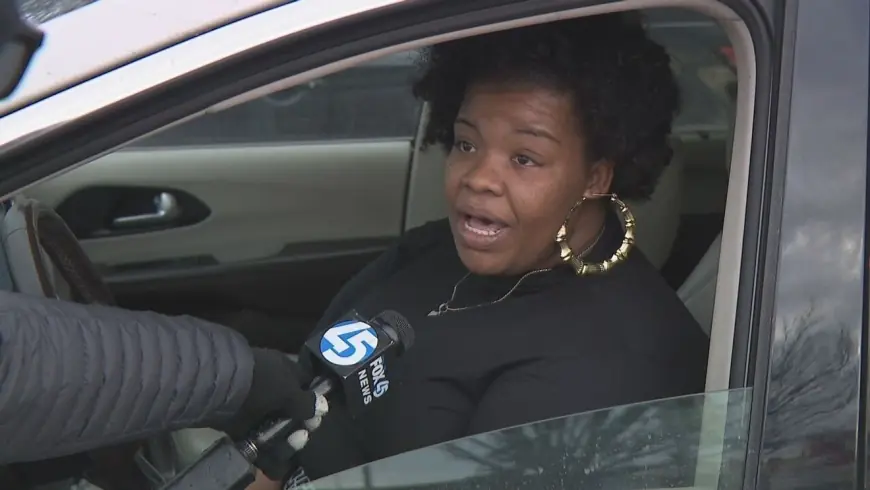
On the streets of northwest Baltimore and busy downtown blocks, interviews captured a range of reactions that often returned to one theme: money. "No good!" summarized one woman's view at a traffic light. Another described the state as "fifty-fifty. "
Comments collected from residents repeatedly cited higher costs and mounting fees. "We have increased estate taxes now, " one person said. "I feel like we’re in trouble, " added another. One man blamed rising taxes for the state’s problems: "Because taxes have gone up and gone up and gone up. " Others pointed to daily pressures: "Financially, everything is high. Housing is high, rent is high, food is high. It’s nowhere to live. Even when you’re making a good amount of money, it’s still no way to make it through. "
Not everyone was pessimistic. One resident offered a more positive take: "It’s pretty good. The governor is doing his job. Pretty much, I have no complaints, really. " But many respondents expressed resignation even as they acknowledged frustration: "Yeah, taxes are rising. But, I mean, that’s life. We live in an expensive economy and it sucks. "
Political response and the governor’s prescriptions
In his address before a joint session of the General Assembly, the governor acknowledged financial hardship and pointed to factors beyond state control, including federal tariff policies. He pledged collaborative steps to try to contain prices and to "grow our economy because we must and build new pathways to work and wages and wealth. " The address also highlighted investments aimed at communities facing intergenerational poverty and noted a historic decline in homicides in 2025.
Republican leaders countered with sharp critiques of the governor’s record. Senate Minority Leader Steve Hershey questioned whether life has become more secure or affordable under current leadership, asking, "Do families feel more secure? Is life more affordable? Is it easier to live, work, build, and invest in Maryland? For far too many Marylanders, the honest answer is no. " He blamed higher energy costs and structural fiscal issues, arguing that different policy choices would restore affordability and deliver more reliable, affordable energy.
House Republican leaders also raised alarm about juvenile crime and school safety. Citing a recent school shooting incident, one lawmaker described a scenario in which a young person allegedly on an ankle monitor pointed a gun at classmates and then shot one student: "So this is what we're talking about. The majority party seems to be hellbent on putting politics above safety. " Those concerns underline a continuing partisan divide over how to address crime, prevention and the role of state policy.
The governor proposed expanding renewable energy efforts and introduced measures to provide additional energy rebates, including a plan for an extra $100 million in relief. He framed those steps as part of a broader push to make work and wages more secure and communities safer through targeted investments.
Outlook as Moore nears the end of his first term
Wednesday’s address was the governor’s fourth State of the State and came as he approaches the end of his first term. The mixed reaction on the street and in the legislature demonstrates the political and practical tensions Maryland faces: residents are feeling economic strain, lawmakers are debating the causes and remedies, and the governor is pitching a mix of market-facing interventions and community investments as the path forward. How those proposals fare in the General Assembly will help determine whether the prevailing public sentiment shifts before the next election cycle.