

























Costco shoppers discover their beloved return policy isn't what it used to be

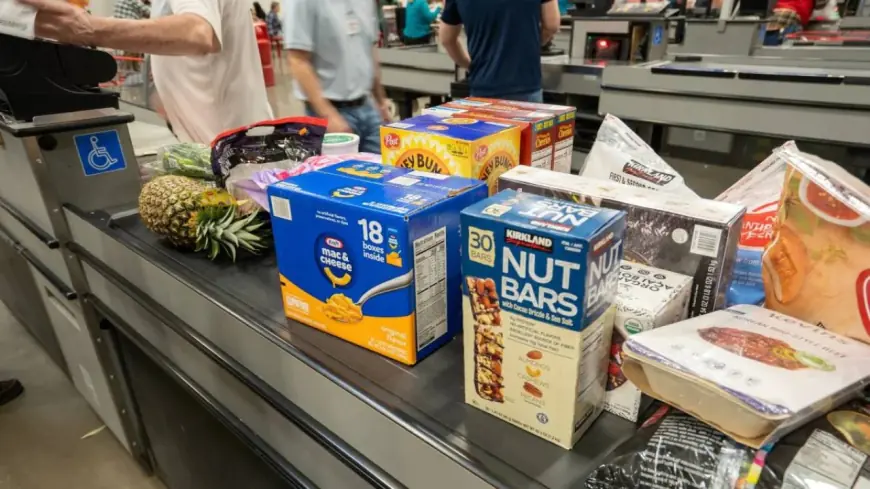
Longtime members who treated returns as a routine part of bulk shopping are finding the process is quietly shifting. What once felt like a no-questions-asked safety net has become a more scrutinized interaction at the returns counter, catching some customers off guard and prompting questions about who will be affected next.
From hassle-free to heightened scrutiny
Sarah, a member for more than a decade, expected the same simple refund she’d received dozens of times before. Instead, an employee typed into a computer, asked for her membership card again and paused. After a supervisor review, the return was declined pending additional documentation. She left confused and empty-handed.
Her experience is part of a broader pattern: stores are increasingly using data tools to flag returns they consider unusual. The retailer has begun monitoring not just how often returns are made, but the total dollar value returned per membership. That shift means a member who occasionally returns high-value items can now trigger the same scrutiny previously reserved for repeat small-item returns.
Changes are being implemented on a store-by-store basis rather than through a single public policy announcement. The result is uneven practice across locations: some stores are asking for original packaging on electronics, others require more detailed explanations for why an item is being returned, and some teams are escalating certain cases to supervisors more readily than before.
Who’s most affected and why it’s changing
Long-term members with minimal return activity generally continue to receive the same treatment they always have. But small business owners, seasonal shoppers and customers who occasionally buy big-ticket items report growing friction. Business customers who routinely return surplus inventory or project excesses are now more likely to be flagged by systems designed to catch abuse.
Retail analyst Michael Patterson said the retailer is tightening its approach to protect margins while attempting to preserve overall customer satisfaction. “We’ve definitely seen changes in how Costco handles returns over the past year, ” he said. “They’re being much more selective about what they’ll take back and from whom. The days of no-questions-asked returns are quietly coming to an end. ”
Former warehouse management personnel stress that the move responds to a small share of shoppers whose behavior cost the company materially. Jennifer Walsh, a former manager, explained that the company needed a firmer set of guardrails. “A small percentage of members were abusing the return policy, and it was costing everyone, ” she said. “The company had to find a balance between maintaining customer satisfaction and protecting their bottom line. ”
What shoppers are seeing at the returns desk
Customers describe a range of new requirements: requests for membership verification, insistence on original packaging for certain categories, more frequent supervisor reviews and occasional demands for receipts or other paperwork. The revamped tracking also evaluates cumulative dollars returned, so high-value returns—however infrequent—now attract attention.
The changes are subtle by design, rolled out quietly rather than with broad notice. That approach can leave both shoppers and frontline employees uncertain about the rules in a given warehouse. Some members report smooth experiences when they have long, uncomplicated histories, while others with legitimate business-related returns have faced awkward confrontations when systems flagged their accounts.
For now, the new return practices appear targeted rather than universal. The company’s aim, industry observers say, is to curb clear abuses while avoiding damage to the loyalty that has been built around generous customer service. How successful that balance will be remains an open question as members adapt to a returns process that now emphasizes documentation and data-driven oversight.