






















Pairs short program Olympics: Germany leads, U.S. pairs crack top 10 after opening night

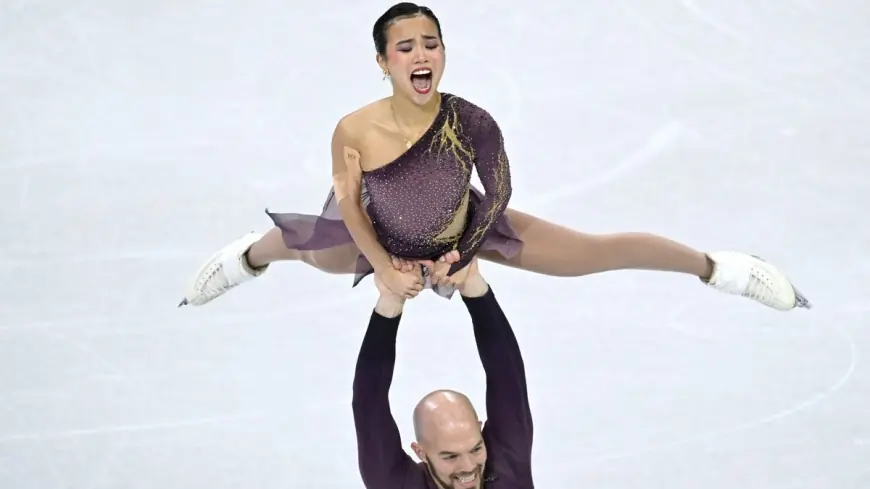
MILAN — The pairs short program at the 2026 Winter Olympics delivered a night of high drama and tight margins, with Germany’s Minerva Fabienne Hase and Nikita Volodin taking the early lead and two American teams finishing inside the top 10. The free skate is set for Monday, Feb. 16 (ET), when medals will be decided.
Standings and standout performances
Hase and Volodin opened the competition with a polished, controlled program that earned a personal-best 80. 01 points and put them well clear of the field. They combined clean elements with convincing speed and edge quality to give themselves a comfortable cushion heading into the free skate.
In second were Anastasiia Metelkina and Luka Berulava, representatives of Georgia, who posted 75. 46 points after a solid but slightly tentative outing compared with their recent form. A breakthrough season has kept them squarely in medal contention, and their short program maintained that momentum.
Canada’s Lia Pereira and Trennt Michaud continued their ascent with an emotional, personal-best short that landed them in third place. The duo, together only since 2022, have steadily improved and their Olympic short program underlined how quickly their partnership has matured.
Japan’s favored team, Riku Miura and Ryuichi Kihara, had the night’s biggest surprise among top contenders when a costly error on a lift left them down the standings in fifth. The pair still displayed powerful side-by-side jumps and a strong triple twist, but the mistake on a typically reliable element cost vital points.
U. S. pairs and personal stories
American pairs made a respectable showing. Team event gold medalists Ellie Kam and Danny O’Shea produced a season-best short program of 71. 87 — a composed performance that erased the memory of earlier missteps and cemented their spot in the top 10 at seventh. Their clean skate suggested the confidence they gained in the team competition has carried into the pairs event.
Spencer Akira Howe and Emily Chan also posted a strong outing, landing inside the top 10 with a score of 71. 06. The pair had battled inconsistencies throughout the season and entered these Games amid questions about selection and citizenship-related hurdles for other contenders. Their steady night, with only a slight stumble on a throw triple loop, proved they belong on the Olympic stage and secured their place in Monday’s free skate.
One of the event’s most compelling narratives belongs to Deanna Stellato-Dudek. At 42, she achieved a long-sought Olympic appearance alongside partner Maxime Deschamps after a comeback from retirement and a late training injury that threatened their trip. Their short program was largely solid until a late mishap that dropped them to 14th with 66. 04 points, but their presence on the ice was a story of perseverance regardless of placement.
What to watch in the free skate
With the short program setting the pecking order, the free skate on Monday will be decisive. Expect teams to push for higher base values and cleaner execution on throws, side-by-sides and lifts — elements that quickly reshuffle standings when executed or botched. The gap at the top leaves room for challenge; Miura and Kihara, despite their lift error, have the technical firepower to surge back into medal range if they deliver a near-flawless long program.
For American hopefuls, the path to a podium remains steep given a long national medal drought in pairs, but both U. S. teams showed they can skate under pressure. The free skate will demand stamina, unison and risk management across high-value elements — and it will be the final arbiter of who earns Olympic hardware in Milan.