

























Germany Flight Disruptions Highlight Europe’s Air Travel Challenges

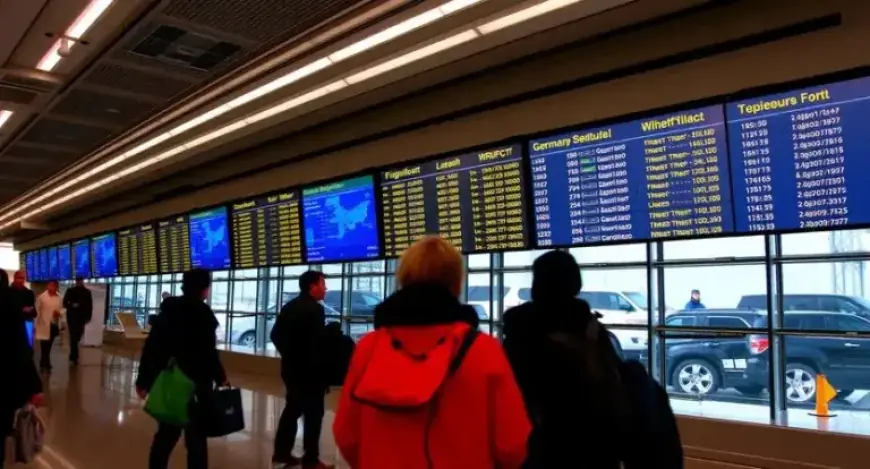
Recent flight disruptions in Germany have disrupted travel plans for countless passengers, signaling significant challenges within Europe’s air travel framework. A considerable number of flights were delayed or canceled in a single day, leading to chaos at various airports. This situation reflects ongoing structural issues that continue to impact the aviation sector across the continent.
Germany’s Role in Europe’s Aviation System
Germany serves as a central hub in Europe’s aviation industry, facilitating both international and regional flights. Disruptions in its airspace can quickly influence surrounding countries. Consequently, delays ripple through neighboring markets, affecting airline schedules, passenger connections, and cargo movements throughout Europe.
Increased Travel Demand Meets Limited Capacity
The surge in travel demand following the pandemic has exposed a significant imbalance between this growing need and limited operational capabilities. Both leisure and business travel sectors are rebounding swiftly. However, airport infrastructure and staffing levels have not kept pace with this resurgence.
- Security screening and baggage handling are under constant strain.
- Flights operating near full capacity contribute to cascading delays.
Staffing Challenges Impact Operations
Labor shortages remain a persistent challenge for German airports and airlines. The difficulty in recruiting and retaining skilled workers is primarily affecting ground handling operations. Insufficient staffing reduces the flexibility of operations during peak travel periods, leading to potential delays.
- Any staffing shortfall can slow check-in and baggage loading processes.
- This reduces an airport’s ability to handle sudden increases in passenger traffic.
Airlines Struggling to Maintain Timely Operations
Airlines face both operational and financial burdens due to flight disruptions. Delays can interfere with flight schedules, crew rotations, and maintenance planning. When flights are full, rebooking affected passengers becomes increasingly complicated, often leading to decreased customer satisfaction.
Passenger Experience Amid Disruptions
Travelers are on the front lines of these disruptions, facing long wait times and unexpected changes. Missed connections can significantly affect both business and leisure travelers, complicating travel plans and possibly incurring additional expenses. While airlines attempt to provide support during adverse situations, crowded terminals often hinder effective communication.
Economic Ramifications of Flight Disruptions
The repercussions of frequent flight disruptions extend beyond individual inconveniences. Air travel is vital for tourism, business, and trade. Ongoing operational instability poses risks to these sectors and can dissuade travelers, impacting economic growth.
A Broader European Trend
The situation in Germany is a reflection of larger trends affecting airports across Europe. With demand frequently outstripping capacity, the aviation sector is increasingly vulnerable to various disruptions. Experts argue for substantial investments in workforce planning, automation, and digital coordination to overcome these challenges.
What to Expect for Future Travel
While airport operations may stabilize post-disruptions, the underlying issues remain unresolved. Travelers planning to fly through Germany in the upcoming weeks should be prepared for potential delays, especially during peak times. Allowing extra time, keeping informed about flight updates, and staying adaptable will be crucial for mitigating travel disruptions.
Conclusion
The recent flight disruptions in Germany highlight the precarious balance of demand and capacity in Europe’s aviation landscape. As the industry grapples with staffing issues and infrastructural constraints, even minor events can escalate into significant delays. Until these challenges are effectively addressed, air travel disruptions are expected to continue affecting a wide range of stakeholders across the region.