

























Developing Games on Nintendo Famicom Using Family BASIC

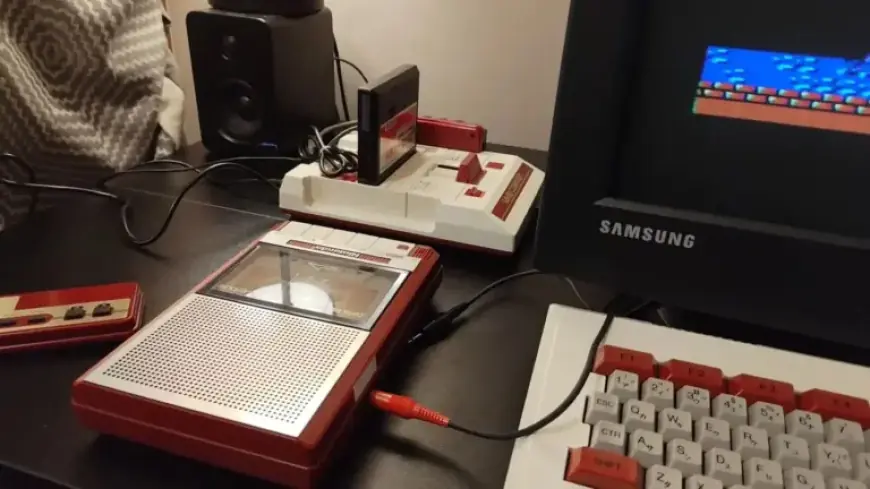
In the 1980s, individuals had limited opportunities to create their own games and write code, largely dependent on their home computer options. One significant player in this market was Nintendo, particularly in Japan, with the introduction of the Nintendo Family Computer, commonly known as the Famicom.
Developing Games on Nintendo Famicom Using Family BASIC
Nintendo’s Famicom offered several peripherals that allowed users to craft a capable home computing experience. A key addition was the Family BASIC system, which facilitated game development.
Family BASIC Package Components
The HVC-007 Family BASIC package is essential for aspiring developers. This kit includes:
- A cartridge for the Famicom
- A keyboard that connects to the expansion port
- A comprehensive Family BASIC manual
- A cassette tape for saving applications
The manual contains sprites and example code, all presented in Japanese. This can pose a challenge for non-Japanese speakers, as translations are necessary to fully leverage the system. The contents of the package provide a valuable resource for coding enthusiasts.
Utilizing the Tape for Software Storage
One notable aspect of Family BASIC is the provided cassette tape. This tape is used for saving and loading applications, a feature showcased through the Sample 3 application. This application demonstrates how users can load software onto the Famicom from the tape.
The Family BASIC system offers a unique glimpse into a gaming and programming experience that many outside Japan never had the opportunity to explore. Despite the difficulties with the language barrier, it remains a fascinating part of gaming history.