

























Curling controversy at Winter Olympics: Double-touch allegations engulf Canadian teams

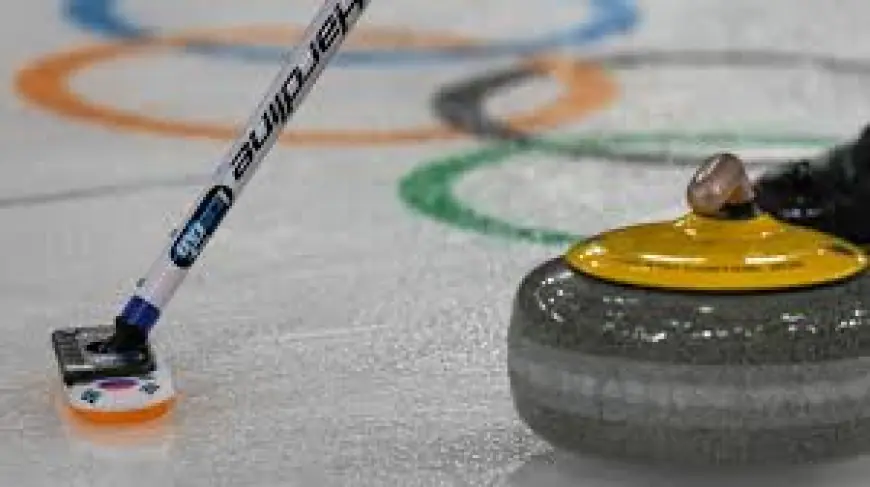
Allegations that Canadian curlers touched stones after release have ignited a major dispute at the 2026 Winter Olympics, with men’s and women’s teams accused of the same infraction. The dispute centers on a clip circulating from competition in Cortina d’Ampezzo that appears to show contact with stones near the hog line, prompting denials, counterclaims and calls for a formal review.
What is the double-touch allegation?
At issue is a rule that forbids the delivered stone from being touched by the thrower after release. Opposing teams raised concerns after a clip surfaced showing apparent contact with stones as they crossed the hog line. That action—known broadly in curling circles as a double-touch when there is additional contact after release—can call into question whether a delivered stone is valid and whether play was conducted within the rules.
The clips in question were linked to matches held on Feb. 13 and Feb. 14, 2026 ET during the round-robin sessions. Teams that believe a violation has occurred can ask officials to review the play, and competition referees then determine whether any penalty or correction is required. Officials have acknowledged they will examine available evidence and footage before reaching decisions.
Heated exchanges and the role of broadcast footage
Tensions escalated when members of the Canadian team publicly pushed back against accusations, suggesting the footage itself may have been gathered in a manner that crossed established limits on where and how camera crews operate. One Canadian veteran said the effort to capture the footage looked coordinated and described it as an attempt to "catch teams in the act. "
That comment followed denials from teams that were named in the initial complaints. One opposing skip forcefully rejected the suggestion that any improper filming took place, saying the decision to place a camera at the hog line was intended to help viewers understand tight calls and long-standing debate around delivery contact.
An official broadcast unit connected to the Games indicated it did not produce the viral clip, while also noting that duly accredited rights holders are permitted to film inside venues under the event's media framework. National federations and team officials have traded statements and have asked event referees to treat the matter through formal channels rather than social-media debate.
Potential consequences and what comes next
Competition stewards have the authority to review incidents and impose remedies that range from replaying an end to adjusting stone placement or, in extreme cases, sanctions. Organizers emphasized that any final determination must be based on the officials' review of the evidence and the rulebook governing play.
For now, teams face the prospect of heightened scrutiny in their remaining matches and more on-ice monitoring by referees. Coaches and federation leaders urged restraint, stressing that ongoing investigation is the appropriate path and warning against premature judgments that could inflame tensions among competitors.
The controversy has underscored how modern broadcasting and social-media circulation can turn a single frame of video into a major sporting dispute. Officials are expected to convene to assess the footage, interview involved parties and issue a decision ahead of upcoming playoff rounds. Until that formal review concludes, outcomes on the ice and potential disciplinary actions remain uncertain.
Filmogaz will continue to follow developments and update coverage as officials release findings and rulings related to these allegations.