





















Spike Lee Makes Political Statement at Los Angeles Game, Carries Palestinian-Patterned Bag

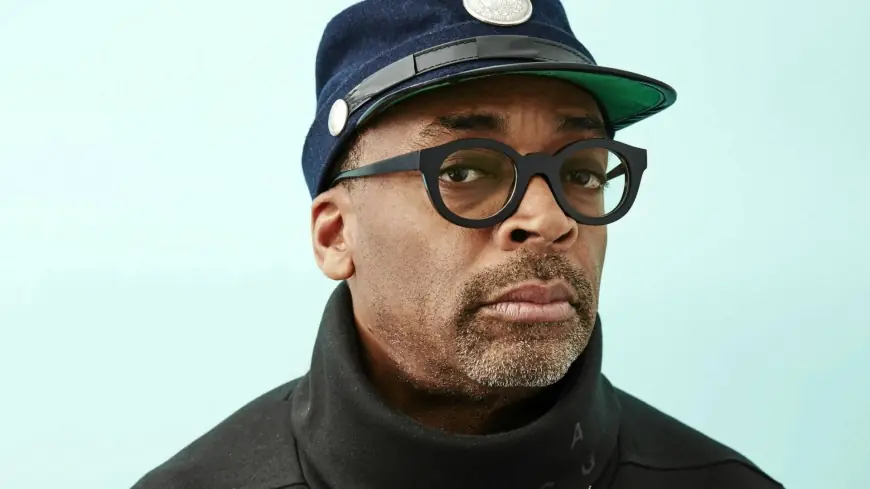
Filmmaker Spike Lee drew attention Saturday evening ET in Los Angeles when he attended a high-profile basketball game carrying a bag patterned with the Palestinian flag and the traditional keffiyeh. The simple accessory was widely interpreted as an act of solidarity with Palestinians amid ongoing humanitarian concerns in the region.
What happened at the game
Lee, a frequent attendee at major basketball events, arrived at the arena with a distinctive bag that combined the Palestinian flag motif and keffiyeh pattern. Photographs of the filmmaker with the item circulated shortly after the event, and the visual gesture was noticed by many in the crowd and online. Lee did not give remarks at the venue; his statement was made through the visible symbol he carried while watching the game.
Context: Lee’s activism and past gestures
The filmmaker’s choice is in line with a long history of public advocacy on civil rights and human rights issues. Over the years, Lee has used his public profile to highlight racial injustice and humanitarian crises, at times using clothing or visual symbols to amplify causes. He previously displayed the Palestinian flag on his social media accounts in ways intended to draw attention to the humanitarian situation in Gaza.
For many of Lee’s supporters, the decision to carry a Palestinian-patterned bag is consistent with a broader pattern of expressive solidarity rather than a sudden shift in focus. The gesture fits into a practice of high-profile expressive acts—through attire, accessories or public commentary—that seek to translate private convictions into visible public declarations.
Reactions and potential implications
Responses to Lee’s appearance were mixed, reflecting the polarized nature of the underlying geopolitical issues. Some praised the gesture as an artist using visibility to spotlight human suffering and to keep humanitarian concerns in public conversation. Others criticized the move as controversial or inappropriate for the setting, arguing that sporting events should remain free of political symbols.
Beyond immediate reactions, the moment highlights how cultural figures continue to shape public debate. Celebrities who take visible stances can elevate awareness of distant crises, but they also risk inflaming tensions or provoking backlash that focuses attention on the messenger rather than the issue.
Organizers and venue staff did not make any notable statement about Lee’s presence or the accessory he carried, and the game proceeded without interruption. Observers note that visible acts by public figures during major events tend to prompt renewed discussion online and in traditional media, contributing to cycles of attention that can be brief but intense.
Whether the gesture will have any sustained policy or humanitarian impact is uncertain. What is clear is that the filmmaker used a public appearance to communicate a position, continuing a long-running pattern of activism that keeps him visible in debates over civil and human rights.
As the conversation around the humanitarian situation continues, Lee’s action serves as a reminder of how symbolic acts—small, public and highly visible—remain a common tactic for artists and public figures seeking to influence public awareness and discourse.