

























Wes Moore Presses Maryland Senate on Redistricting, Sparks Tension With GOP Leaders

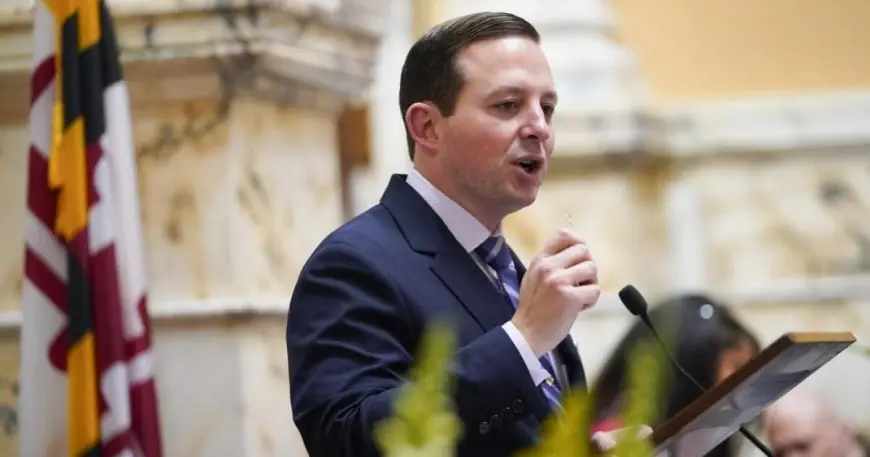
Maryland Gov. Wes Moore used his State of the State address to demand the Senate take up his redistricting plan, igniting new friction between the governor’s office and legislative leaders who say his comments crossed a line. The dispute centers on whether the chamber should bring the governor’s proposed congressional map to a vote even if it risks defeat.
Moore pushes for a vote; Senate Republicans push back
In his address, the governor urged senators to "Debate it, discuss it, make adjustments if necessary, and put it to a vote, " placing public pressure on the upper chamber to act on the redistricting proposal. That direct appeal, intended to break a legislative impasse, instead galvanized critics within the Senate majority and minority.
Senator J. B. Jennings, a Republican representing Baltimore and Harford counties, framed the standoff as a shift in dynamics: "Normally in the Senate it's Democrat vs Republican. What I'm noticing now is it's the Senate vs Moore. " Multiple Republican lawmakers said the governor’s remarks were an inappropriate critique of the Senate’s internal deliberations and its leadership.
Republican strategy: let the process run its course
Republican senators say they maintain a working relationship with the chamber’s president and are urging a cautious approach. Senate Minority Leader Steve Hershey urged a procedural path: find three no votes in the Senate Rules Committee, put the map to a vote and let committee action effectively kill the bill so the legislature can move forward without the issue hanging over its work.
"The comments that the governor made last night to our senate president were inappropriate and I don't think that Senate President Ferguson deserved that, " Hershey said, arguing that his party would support the internal steps needed to resolve the matter on procedural grounds. Leaders from both parties have repeatedly said the Senate generally avoids bringing bills to the floor if they are expected to fail, and that posture does not appear to be changing for this dispute.
Political implications and what comes next
The clash highlights broader tensions around redistricting in the state: the governor is pushing for a clear public resolution to congressional boundaries, while some senators prefer to avoid a potentially divisive floor fight. Several Senate Democrats reportedly want the matter concluded and would back a simple vote to move forward, but Senate leadership appears reluctant to force a floor vote without a reasonable prospect of passage.
Lawmakers on both sides are watching the calendar as the legislative session proceeds. If the Senate declines to bring the governor’s plan to the floor, the redistricting fight could remain unresolved and continue to complicate other legislative priorities. If the chamber moves the bill and it fails, lawmakers say that could clear the way for the legislature to focus on other business without the map hanging over negotiations.
For now, the confrontation exposes a rare public rupture between the governor and members of the legislature who have otherwise worked across the aisle on certain matters. Whether that rift deepens may depend on how aggressively the governor presses his demand for a vote and how united Senate leaders remain in defending their procedural prerogatives.
Lawmakers expect additional discussions in the coming days as the Senate weighs whether to bring the redistricting plan to a vote or let existing committee processes determine the bill’s fate.