























Sandra Hüller Impresses in Masterfully Crafted Drama

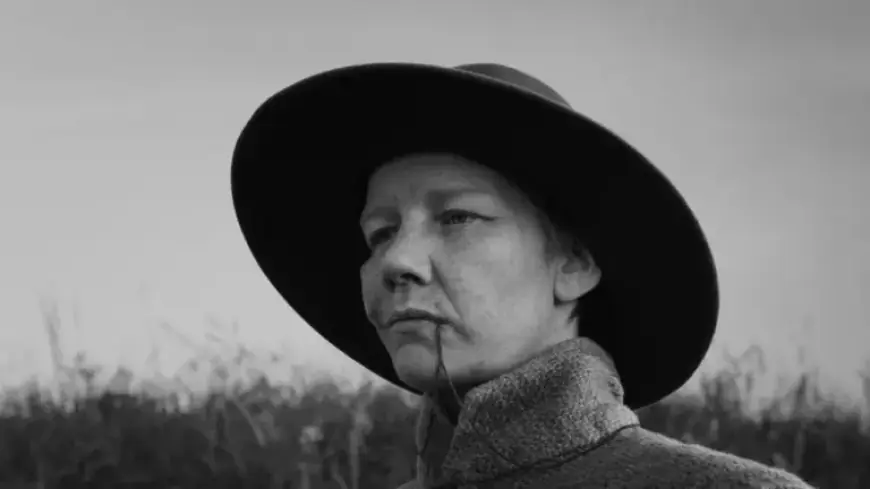
Sandra Hüller shines once again in the deeply layered film “Rose,” directed by Austrian filmmaker Markus Schleinzer. This drama, set in the 17th century, explores gender identity and societal constraints through the eyes of a war veteran with a hidden truth.
Sandra Hüller’s Performance in “Rose”
In “Rose,” Hüller portrays a female character who disguises herself as a man, a decision steeped in historical context and personal survival. The film captures her journey as she adapts to life in a Protestant village after serving in the Thirty Years’ War. Hüller’s nuanced performance combines strength and vulnerability, making her portrayal both memorable and impactful.
Markus Schleinzer’s Directing Style
Markus Schleinzer, known for his meticulous craftsmanship, directs this film with precision. “Rose” is his third feature film, arriving eight years after his acclaimed work “Angelo.” The film’s minimalist approach and sharp editing create a compelling narrative that grabs the audience’s attention without unnecessary flourishes.
Key Themes and Narrative Elements
- Gender Identity: The film delves into the complexities of gender performativity, illustrating the societal expectations placed on men and women.
- Historical Context: Set in a conservative time, the story exposes the challenges faced by women and the lengths to which some go to navigate these restrictions.
- Personal Relationships: The dynamic between Rose and her neighbor’s daughter, Suzanna, evolves as they navigate their practical marriage.
Visual and Auditory Aesthetics
The film’s black-and-white cinematography, handled by Gerald Kerkletz, enhances the emotional weight of the story. Every frame is intentional, focusing closely on Hüller’s expressions, which convey a wealth of unspoken emotion. An a capella score by Tara Nome Doyle complements the visual storytelling, adding depth to Rose’s internal struggles.
Conclusion
“Rose” emerges as a standout film, blending Hüller’s extraordinary talent with Schleinzer’s directorial vision. This film not only tells a compelling story but also challenges viewers to reflect on themes of identity, freedom, and societal norms in a beautifully crafted package. Discerning arthouse audiences should seek it out following its premiere at Berlinale.