





















Democratic Governors Boycott White House Dinner After Two Colleagues Excluded

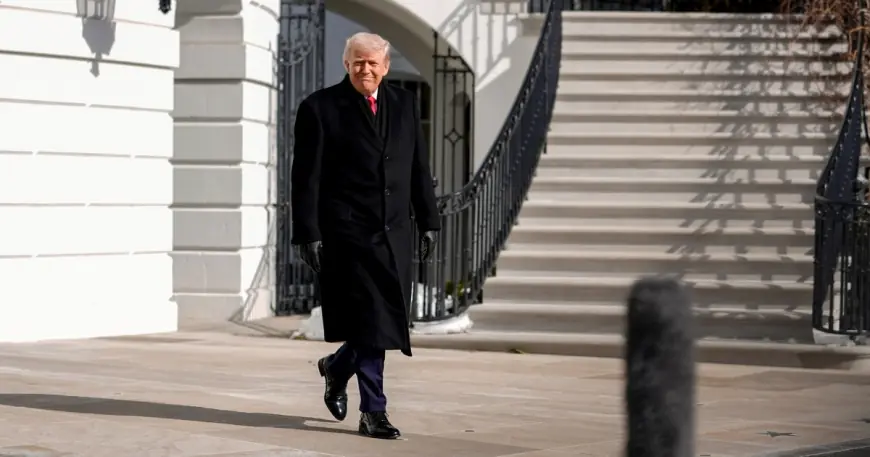
Democratic governors announced they will boycott a White House dinner and related meetings after the president excluded wes moore governor of Maryland and Colorado Gov. Jared Polis from invitations to a traditionally bipartisan gathering scheduled for Feb. 19–21, with the principal business meeting set for Feb. 20 (ET). The move marks a rare coordinated refusal by state leaders to attend a presidential-hosted governors’ function.
What unfolded at the center of the dispute
The gathering, which has long been framed as a bipartisan opportunity for governors to meet with the president and one another, became a flashpoint when the president said invitations were extended to "all governors" except for two Democrats. The exclusion of wes moore governor and Polis from a White House dinner drew immediate condemnation from many Democratic state executives, who called the action partisan and inconsistent with the event’s history.
Leaders of the bipartisan association that coordinates governors’ meetings moved quickly to clarify the situation, saying there had been discussions with the White House about including governors from both parties for the Feb. 20 business meeting. The chair of that association also circulated an email to fellow governors saying the president intended to invite all governors to the morning business breakfast on Feb. 20 and that scheduling misunderstandings had been addressed.
Governors’ coordinated response and the boycott
In response to the exclusions, a large group of Democratic governors issued a joint statement announcing they would not attend the White House dinner if the exclusions stood. The boycott includes many high-profile governors and signals a rare moment of public unity across states typically engaged in cross-party cooperation on issues such as infrastructure, public safety and health.
Democratic leaders argued that the dinner and accompanying business meeting have historically been productive, nonpartisan forums for governors to discuss pressing challenges facing states. They said the selective invitations undermine that tradition and inject partisan division into what is meant to be a constructive and collaborative exchange.
Political fallout and what comes next
The standoff leaves open questions about the format and attendance for both the dinner and the scheduled business meeting on Feb. 20 (ET). While organizers of the governors’ association indicated the morning business session would include governors from all states and territories, the dinner’s guest list appeared to be under dispute.
For the excluded governors, the decision to decline participation is part protest and part political positioning. One of the excluded governors has been publicly at odds with the federal administration over law enforcement and state security measures, while the other has been a vocal critic on a range of federal policies. Their exclusion and the ensuing boycott will likely deepen partisan narratives in the months ahead and could complicate federal-state cooperation on immediate issues that require cross-jurisdictional coordination.
With the White House and the governors’ association signaling different aspects of inclusion at separate events, attention will remain focused on whether the president and governors can restore a semblance of the bipartisan tradition for the Feb. 20 meeting (ET). If the boycott holds, the episodes surrounding the invitation process may become a recurring element of state-federal relations leading into the next election cycle.
Governors who have announced the boycott emphasized their willingness to work across party lines on policy, but said they will not legitimize an event that treats elected state leaders unequally. The coming days will show whether negotiations can bridge the gap or whether the split will become a longer-term rupture in an institution that has long relied on bipartisan participation.