





















NBA All-Star Game 2026 at Intuit Dome: USA Stars vs USA Stripes vs Team World, Start Time, Format, Teams, and How to Watch

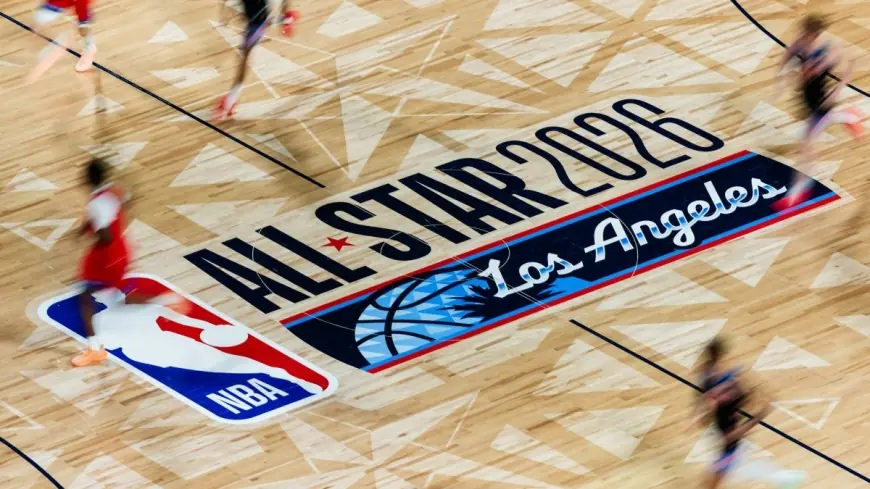
The NBA All-Star Game 2026 tipped off Sunday, February 15, 2026, at Intuit Dome in Inglewood, California, with a redesigned USA vs World concept meant to inject real stakes and urgency into a showcase that has faced years of criticism for low effort. The headline change is structural: instead of one long exhibition, the night is built as a fast mini-tournament with short games, quick turnarounds, and a built-in tiebreaker that punishes coasting.
NBA All-Star Game 2026 start time, schedule, and format explained
The main broadcast window began at 5:00 PM ET on February 15. The event is organized as four 12-minute games featuring three teams:
-
USA Stars: younger American All-Stars
-
USA Stripes: veteran American All-Stars
-
Team World: international players
The on-court flow works like this:
-
Game 1: USA Stars vs Team World
-
Game 2: winner of Game 1 vs USA Stripes
-
Game 3: loser of Game 1 vs USA Stripes
-
Game 4: championship between the top two teams after round robin play
If all three teams finish 1 and 1, point differential becomes the tiebreaker, which is an intentional design choice: it nudges players to keep scoring and defending even when a game feels “in hand.”
Early results and what they signal about the new approach
The opening two games delivered the kind of tight finishes the league was clearly aiming for.
-
Game 1: USA Stars 37, Team World 35 in overtime
A late tie forced an overtime “first to five” sprint that ended on a decisive three. -
Game 2: USA Stripes 42, USA Stars 40
Another last-possession finish, including a buzzer-beating three to flip the outcome.
Those endings matter beyond the highlights. Close scores create social pressure inside the arena: nobody wants to be the star caught jogging back on defense when the margin is one shot. The short-game structure also reduces the “we have time to turn it on later” mindset that has plagued past formats.
NBA All-Star rosters: USA Stars, USA Stripes, Team World
This year’s teams were built around the theme.
USA Stars includes: Scottie Barnes, Devin Booker, Cade Cunningham, Jalen Duren, Anthony Edwards, Chet Holmgren, Jalen Johnson, Tyrese Maxey.
USA Stripes includes: Jaylen Brown, Jalen Brunson, Kevin Durant, Brandon Ingram, LeBron James, Kawhi Leonard, Donovan Mitchell, De’Aaron Fox.
Team World is anchored by international stars, with the roster mixing elite creators, bigs, and scorers from outside the United States.
Injury context also shaped the night: several marquee names were ruled out ahead of time, which affected both star power and team balance.
What channel is the All-Star Game on, and where does Sling fit?
In the United States, the game aired on a major national broadcast network with a companion streaming option. If you are trying to watch through Sling, the practical move is to confirm whether your package includes access to your local feed for that broadcast network in your area, since availability can vary by market and add-on.
A simple checklist that avoids last-minute surprises:
-
Verify the channel list tied to your ZIP code inside the app
-
Confirm whether the broadcast network is carried live in your market
-
If not, you will need an alternative that includes local broadcast access
Behind the headline: why the NBA changed the All-Star format now
The incentives are straightforward. The league wants a product that feels competitive enough to be culturally relevant, not just a weekend brand exercise. Players, meanwhile, are balancing reputation, workload, and injury risk. The new format tries to align those competing priorities by making effort bursts shorter and more meaningful: you can play hard for 12 minutes without committing to a full night of full-speed contact.
Stakeholders extend beyond players and fans. Broadcasters want drama. Sponsors want moments that travel on social. Teams want their stars healthy after the break. This format is essentially a negotiated middle ground: it manufactures urgency without demanding forty-eight minutes of grinding defense.
What we still don’t know, and what to watch next
Because the structure relies on standings, point differential, and rapid sequencing, the most important unresolved pieces in any given moment are:
-
who clinches the championship matchup once Game 3 ends
-
whether teams treat point differential as a real target late
-
how physical the final gets once prize money and pride are directly in play
Realistic next steps depend on triggers:
-
If Game 3 is tight late, expect a playoff-style closing stretch where stars actually match up
-
If one team needs a margin to advance, expect extended minutes for hot hands and more intentional defense
-
If the final is lopsided early, the league will face immediate questions about whether the new format truly solves the effort problem or just rearranges it
The big picture is that the NBA has moved from hoping competitiveness happens to designing conditions that make it hard to avoid. The early finishes suggest the blueprint can work, but the championship game tone and the post-break player response will determine whether this becomes a lasting fix or a one-year experiment.