

























Olympics 2026: Tense Curling Showdown Unfolds

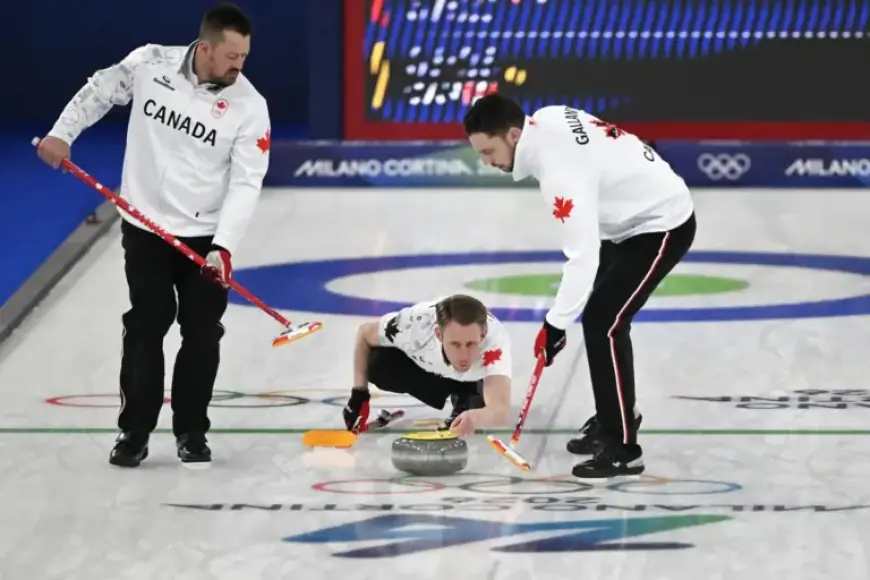
The 2026 Winter Olympics, set to unfold in Milan and Cortina d’Ampezzo, witnessed an unexpected curling confrontation that captured attention. This incident arose during a men’s round-robin match between the Canadian team and their Swedish counterparts.
Context of the Dispute
On Friday, the two teams faced off in a highly anticipated match. The friendly atmosphere quickly turned tense when Swedish curler Oskar Eriksson accused Canadian Marc Kennedy of violating the rules by double-touching a curling rock beyond the hog line.
Understanding the Hog Line Rule
The hog line, situated 10 meters from the release point, is critical in curling. A curler must release their stone before it reaches this line. Touching the stone after it crosses the line is usually considered a foul, and the opposing team may remove the stone from play per World Curling rules.
Technological Aspects
Modern curling incorporates technology, including sensors that detect if a stone has been touched after crossing the hog line. Nevertheless, Eriksson and his team believed Kennedy had circumvented this rule by “double-touching” the stone subtly.
The Match and Its Aftermath
Tensions escalated as players exchanged heated words. Canada ultimately triumphed, winning the match 8-6. However, the conflict continued post-game, with Eriksson confronting Kennedy. Their exchange highlighted the growing frustration, culminating in Kennedy’s explicit rebuttal to Eriksson’s claims.
- Final Score: Canada 8, Sweden 6.
- Key Players:
- Marc Kennedy (Canada)
- Oskar Eriksson (Sweden)
- Incident Date: Friday, during the round-robin match.
Curling’s Spirit and Fair Play
The spirit of curling emphasizes respect for the game and fairness among competitors. Despite this, the dispute raised questions about sportsmanship. Many wondered if Kennedy’s reaction was justified or if he should have addressed Sweden’s concerns more openly.
The Aftermath of ‘Double-Touch Gate’
In the weeks following this incident, the implications of the dispute rippled through the curling community. Other teams began scrutinizing potential double-touching occurrences, sparking debates about integrity and fairness in the sport. This scrutiny not only affected the teams involved but also cast a shadow on the Olympics’ broader mission to promote curling as a favored winter sport.
Conclusion
As the curling competition progresses in the 2026 Olympics, the fallout from this altercation continues to resonate. While both teams exhibited moments of poor sportsmanship, the spotlight remains on the integrity of the sport. As we navigate these tensions, one thing is clear: curling will continue to be a focal point of discussion throughout these Games.