





















NBA Celebrity Game 2026 Score: Team Giannis Beats Team Anthony 65–58 as Rome Flynn Repeats MVP in a Tight All-Star Weekend Opener

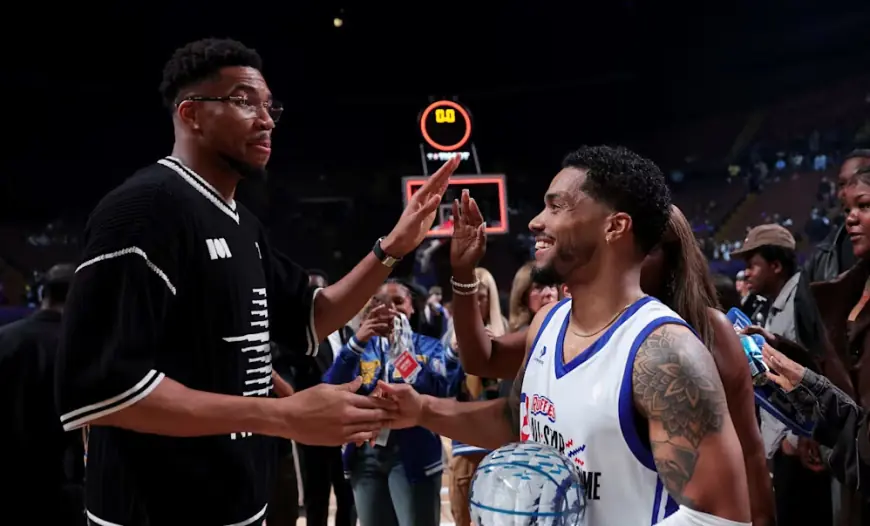
The NBA celebrity game delivered a competitive finish Friday night, February 13, 2026, with Team Giannis holding off Team Anthony 65–58 in a back-and-forth showcase that leaned more on late-shot execution than novelty. Actor Rome Flynn led the way with 17 points and earned MVP honors for the second straight year, highlighting how the event has quietly evolved into something closer to a real game than a scripted highlight reel.
The final margin looks comfortable on paper, but the game swung on a handful of possessions in the fourth quarter ET, when Team Giannis turned stops into quick points and did just enough to prevent Team Anthony from making the last two-minute push that usually defines these celebrity matchups.
What happened: NBA Celebrity Game 2026 final score and key moment
Final score: Team Giannis 65, Team Anthony 58.
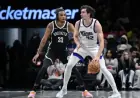
Team Giannis separated late behind a combination of opportunistic transition buckets and a few timely long-range makes. One of the night’s signature plays came on a high-difficulty, long-distance shot from Jeremy Lin that flipped momentum and forced Team Anthony into quicker, lower-quality possessions the rest of the way. Team Anthony had stretches of energy and shot-making, but it couldn’t string together enough defensive stops to set up a sustained comeback run.
Flynn’s 17-point performance stood out because it was efficient and steady rather than streaky. In celebrity games, the difference is often who can create a clean look without forcing the action. Flynn repeatedly did that, and the MVP recognition followed.
Behind the headline: why the celebrity game matters more than it used to
The celebrity game has become a strategic opening act for All-Star Weekend rather than a throwaway appetizer. The league’s incentive is clear: start the weekend with a product that looks fun on social feeds but also holds attention in real time. That means a scoreboard that stays close, recognizable personalities who actually compete, and moments that feel organic instead of choreographed.
For the players, the incentives are different. Celebrities want the viral clip, but they also want credibility. A made shot with pressure, a smart pass, or a strong defensive sequence travels further now because fans are far more tuned into “real hoops” even in entertainment formats. That’s why repeat MVPs are becoming a thing: once a participant shows they can play, coaches and teammates naturally defer, and the game tilts toward the people who can reliably generate points.
Stakeholders: who benefits from a 65–58 kind of game
Team captains and coaches benefit when the game stays competitive because it gives structure and a story arc. Sponsors benefit because a tight finish keeps viewers watching rather than scrolling away. The league benefits because it sets a tone for the rest of the weekend: competitive but accessible, with enough highlights to circulate and enough defense to keep it from turning into a shooting drill.
The performers themselves have reputational exposure. A celebrity game can amplify someone’s brand if they show composure, but it can also backfire if the effort looks half-hearted. Flynn’s repeat MVP is valuable precisely because it signals consistency under a brighter spotlight.
What we still don’t know: the missing pieces that shape the bigger narrative
Even with a clear final score, a few questions remain open for the weekend’s broader storyline:
How much of the celebrity game’s competitiveness is sustainable year to year depends on the participant pool. If organizers keep leaning into people who can truly play, the event will keep tightening. If it swings back toward pure star power, the product could loosen again.
Another unknown is whether the league will adjust the format to further encourage team play, such as incentives for assists or defensive stops. The celebrity game is one of the easiest places to test tweaks that might later appear in other showcase settings.
Second-order effects: what a close celebrity game signals about All-Star Weekend
A competitive celebrity opener tends to raise expectations. Viewers who see a real fourth-quarter push on Friday night are more likely to demand urgency from the rest of the weekend events. That pressure matters because the All-Star ecosystem has been in a long balancing act: fans want entertainment, but they also want stakes.
A 65–58 finish also reinforces a broader cultural shift: basketball credibility is currency. The more that celebrities treat the event like a game, the more fans treat it like one too. That changes everything from how highlights spread to how participants train ahead of time.
What happens next: realistic scenarios and triggers
Scenario 1: The celebrity game becomes a model for tighter showcases
Trigger: continued selection of participants with real basketball backgrounds.
Result: closer scores, more structured play, and more repeat standout performances.
Scenario 2: The event tilts back toward spectacle
Trigger: organizers prioritize pure celebrity reach over competitiveness.
Result: higher scoring, looser defense, and fewer memorable “game” moments.
Scenario 3: A rules tweak increases late-game drama
Trigger: format changes that reward stops, assists, or clutch shots.
Result: more intentional endings and a clearer MVP pathway.
Why it matters
The NBA Celebrity Game 2026 score, Team Giannis 65 and Team Anthony 58, is more than trivia. It’s a signal that the weekend’s opening event is increasingly judged by the same standard as everything else: does it hold attention, deliver a narrative, and feel earned? With Rome Flynn repeating as MVP and the finish staying competitive into the late stages ET, this year’s celebrity game did exactly that, setting the tone for a weekend built on both entertainment and the idea that even exhibitions should still look like basketball.