
























House passes Save America Act amid 'Jim Crow 2.0' outcry

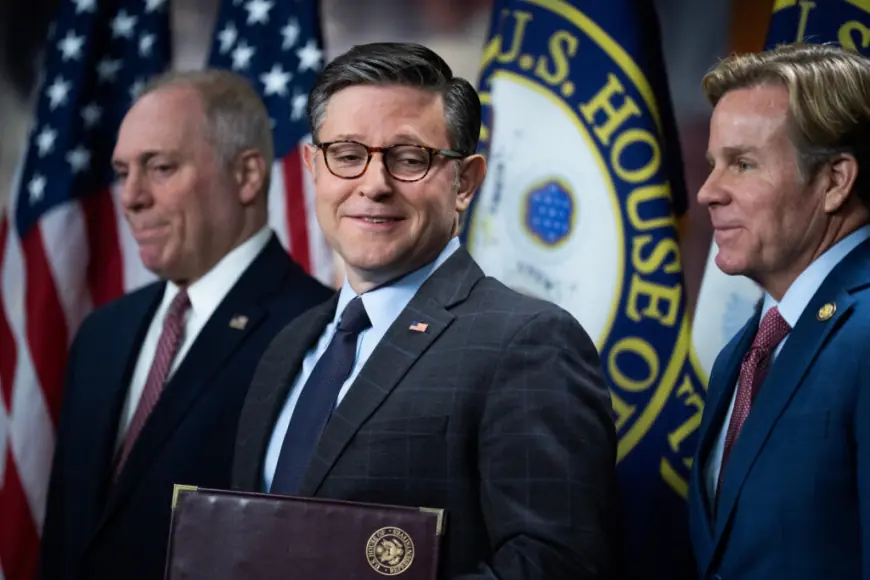
The House approved the Save America Act on Wednesday (ET), advancing a package of voting changes that would impose a nationwide photo ID requirement and expand documentary proof-of-citizenship mandates. Supporters say the measure will strengthen election integrity; opponents argue it amounts to a sweeping rollback of access that could disenfranchise millions.
What the Save America Act would do
The legislation would import elements of an earlier SAVE measure, combining tightened documentary proof-of-citizenship rules with a national voter ID mandate. Under the bill, voters would be required to present government-issued photo identification at the polls, and in some cases additional paperwork to verify citizenship before being allowed to register or cast a ballot.
Proponents frame the changes as common-sense steps to shore up trust in elections, describing the package as a uniform federal floor for voter verification. Lawmakers backing the bill emphasized the need for consistent standards across states and argued that photo ID and documentary requirements reduce opportunities for fraud and bolster public confidence in outcomes.
Critics: 'Jim Crow 2. 0' and disenfranchisement concerns
Civil rights advocates, voting-rights groups and many Democrats warned that the proposal would have a disproportionate impact on elderly, low-income and minority voters who are less likely to hold current forms of photo identification or the required documents to prove citizenship. Opponents used the phrase 'Jim Crow 2. 0' to describe what they say is a modern, legally coded revival of barriers to the ballot box.
Several observers raised broader alarms about the bill’s origins and authorship. Investigative work has revealed that a former campaign staffer linked to the post-2020 election 'fake elector' effort contributed language to earlier drafts that resurfaced in the latest package, feeding concerns about the legislation’s pedigree and intent.
Legal analysts predict prompt and sustained court challenges if the measure moves beyond the House, arguing that nationwide rules of this nature would face scrutiny over disparate impacts and federalism questions. Voting-rights advocates are preparing litigation strategies and mobilization efforts to counter what they describe as the most far-reaching voter suppression proposal seen in years.
Next steps: Senate prospects, executive threats and legal battles
The bill’s path in the Senate is uncertain. Senate Democrats plan to filibuster the measure, making its passage in the upper chamber unlikely unless Republicans can secure a significant bipartisan shift or change Senate procedures. Even if it clears Congress, legal experts expect immediate court challenges that could tie implementation up for months or years.
Meanwhile, the White House signaled willingness to pursue alternate routes if the bill stalls. A presidential pledge to impose similar rules by executive order has been floated, including the possibility of curbing mail voting, though such moves would almost certainly provoke additional litigation and constitutional debate.
The broader election-policy climate remains heated. The unsealing of an affidavit tied to a federal raid on a Georgia elections office exposed reliance on the same debunked conspiracy theories that underpinned many post-2020 challenges, underscoring how contested narratives about election integrity continue to shape legislative and enforcement actions.
With the House vote complete, attention turns to the Senate calendar, courtroom strategies, and whether legal and political pushback will blunt the bill’s most sweeping provisions. Proponents say they will press forward on the promise of uniform standards; opponents say they will use every available tool to protect access to the ballot.