























Milan–Cortina Olympics: Who Leads the Medal Count?

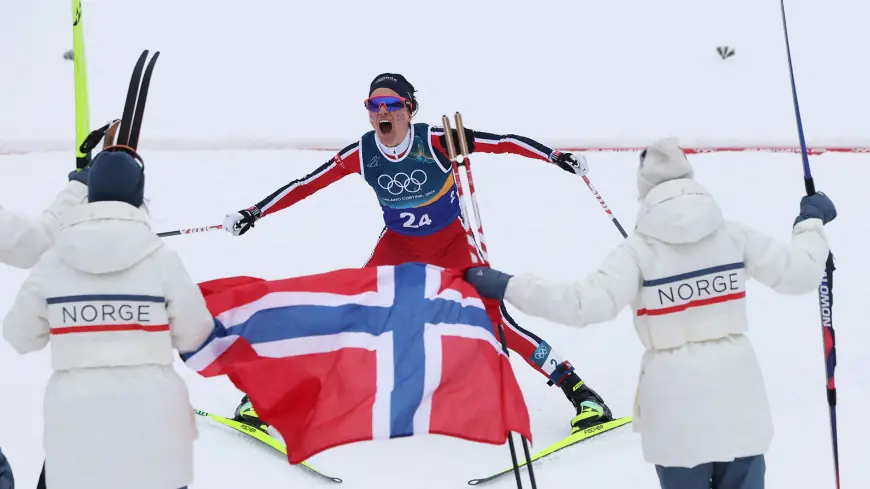
As the 2026 Winter Games unfold in Milan and Cortina d'Ampezzo, national tallies are shifting daily. By Sunday at 6: 49 p. m. ET the official gold-first table placed Norway at the top, while broader measures of total medals also show the Norwegians with a comfortable lead. The race for podium supremacy is shaping up as a battle of ranking philosophies as much as athletic excellence.
Golds versus total medals: two ways to judge a leader
Olympic organizers use a straightforward rule: nations are ranked first by number of gold medals, with silver and bronze used only to break ties. That method had Norway in front late Sunday evening. Many outlets and American audiences prefer an alternate lens — total medals — which can change perceptions of which country is “leading. ” Under that approach, Norway again ranked highly, holding the largest overall haul in the most recent counts.
There is no universally accepted mathematical answer to which method is superior. One common compromise is a weighted scoring system that assigns points to gold, silver and bronze; another treats every podium finish equally. For viewers and national delegations, the preferred method often reflects different values: dominance at the top versus depth across events.
Standout performances altering the standings
Team performances and individual breakthroughs have reshaped the table. The United States arrived with its largest Winter team ever — 232 athletes — and grabbed several early marquee medals. Breezy Johnson won the women's downhill for America’s first gold of the Games, and the U. S. figure skating squad took gold in the team event with a commanding showing from a skater known for pioneering quads. Speedskater Jordan Stolz has been a revelation, winning multiple golds and setting Olympic records in sprint distances.
Other U. S. podiums have included Ben Ogden’s rare cross-country silver for an American man, Elizabeth Lemley’s moguls triumph, and a mix of silver and bronze across freestyle, snowboarding and cross-country events. Meanwhile, an Alpine victory for a Brazilian-born skier marked a historic first medal for South America at a Winter Games, underscoring how new contenders can change the narrative.
Norway’s machine in endurance and skiing events continued to churn out podiums. A marquee cross-country star extended his legacy by adding another career gold on Feb. 15, a result that moved him into rarefied territory among Winter Olympians and helped maintain Norway’s lead in both golds and total medals.
Can Norway sustain its dominance?
Norway’s early advantage reflects long-running strengths: deep participation in Nordic and sliding sports, investment in youth development and a cultural emphasis on outdoor activity. The country’s small population belies its outsized medal production, particularly in cross-country skiing, biathlon and speedskating. With roughly half of the events still to be contested in the middle phase of the Games, Norway is on pace to challenge for the top spot in the final standings and could become the first nation in two decades to lead the Winter tally at three consecutive Games.
But Olympic momentum can swing quickly. Host-nation surges, surprise medalists from emerging programs, and tight margins in alpine, skating and ski events mean the leaderboard remains fluid. How fans choose to interpret the standings — golds-first or total-medal emphasis — will shape the narrative through the final days in Italy.