




















Celebrities Steer Clear of Politics at Berlin Film Festival

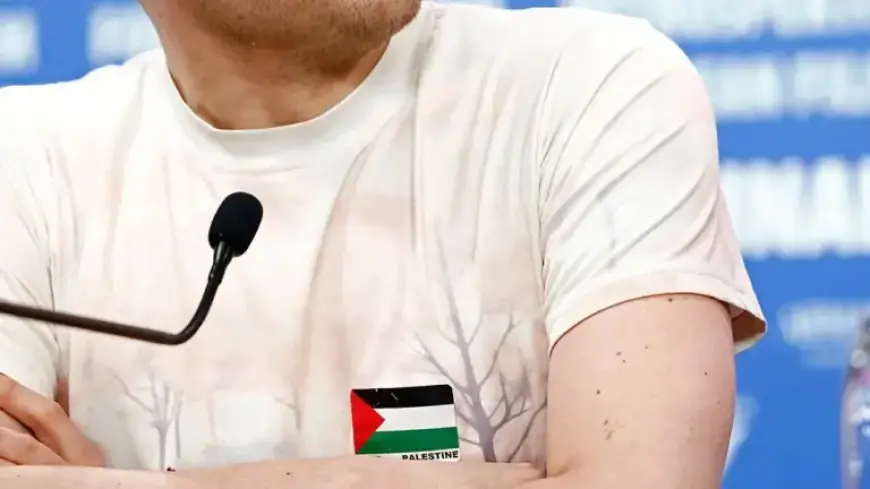
The 2026 Berlin Film Festival, traditionally known for intertwining cinema and political discourse, appears to be veering away from political engagement this year. While the recent Grammy Awards showcased strong political messages, the Berlinale has emphasized a notable silence on current issues among many of its high-profile attendees.
Celebrities Avoid Political Discussions
This trend was highlighted during press conferences featuring well-known figures such as Wim Wenders, Michelle Yeoh, and Neil Patrick Harris. Despite being asked pointed political questions, these artists refrained from making significant statements, leading to criticism online.
Wim Wenders’ Controversial Statement
Jury head Wenders sparked controversy on the festival’s opening day. When questioned about the German government’s support for Israel and its implications for the festival’s stance on Gaza, he stated, “we have to stay out of politics.” This remark triggered backlash, including author Arundhati Roy’s decision to withdraw from the event in protest.
Press Conference Dynamics
- Repeated political questions escalated the situation.
- Wenders’ deflection stood out, given his previous claims that “every film is political.”
- Critics argue artists have a responsibility to address significant social issues.
For instance, Neil Patrick Harris, promoting his film “Sunny Dancer,” appeared disinterested in discussing U.S. political affairs. His lack of commentary became a focal point for critics.
Expectations vs. Reality
Tricia Tuttle, the Berlinale director, stated that filmmakers and actors are now under scrutiny to respond to media inquiries. This expectation comes at a time when some critics believe that artists with substantial platforms should voice their perspectives, particularly in light of rising fascism globally.
Voices of Resistance
Contrasting the silence of many celebrities, some attendees chose to speak out. Rupert Grint, in a press conference for “Nightborn,” acknowledged his opposition to the far-right movement in the U.K., albeit briefly. His remarks prompted discussions about the sincerity and impact of celebrity activism.
Art as a Platform for Awareness
Screenwriter Ilja Rautsi emphasized the role of art in fostering empathy and awareness, suggesting the need for pressure on issues facing society. This sentiment echoes a broader desire for artists to transcend mere representation and engage with pressing global challenges.
Shifting Focus of the Festival
- The festival selection highlights political themes, yet the events themselves maintain a largely apolitical atmosphere.
- The opening ceremony, unlike previous years with direct political speeches, appeared subdued.
- Instances of artists like Tom Morello breaking the trend with bold statements stand out in stark contrast.
Morello, co-director of “The Ballad of Judas Priest,” embraced the opportunity to address fascism and activism, prompting applause from journalists eager for impactful dialogue. Such moments indicate a tension between celebrity presence and the expectations of political engagement at film festivals.
As the Berlinale continues, the challenge remains: should celebrities be compelled to take a stance on vital issues? The evolving political landscape and the responsibilities of those in the creative industries invite ongoing debate.