

























State Department orders nonprofit libraries to stop processing passport applications

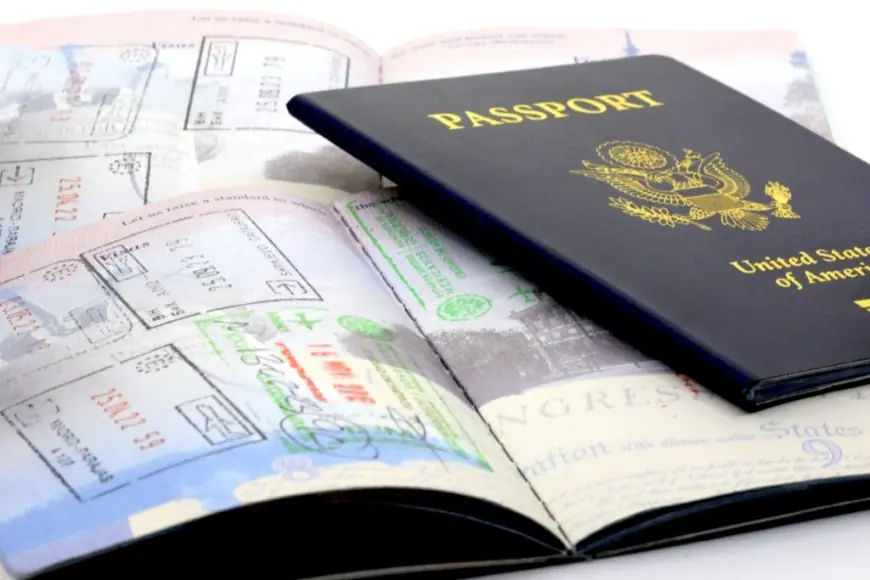
The U. S. State Department has told a swath of nonprofit public libraries to stop acting as passport acceptance facilities, effective Friday, February 13 ET, upending a long-running community service that many residents rely on for in-person passport applications. Government-run libraries are not affected, but librarians and lawmakers say the enforcement leaves gaps in access for working families and rural communities.
Why the ban, and how many libraries are affected
The department moved to remove certain libraries from the Passport Acceptance Facility program after concluding that federal law and regulations "clearly prohibit non-governmental organizations" from collecting and retaining passport application fees. A department spokesperson noted the passport acceptance network includes more than 7, 500 facilities nationwide and said the number of libraries found ineligible represents less than one percent of that total.
Librarians and associations paint a different picture of the scale and impact. An industry estimate suggests roughly 1, 400 mostly nonprofit public libraries could be affected, a figure that would represent about 15 percent of all public libraries depending on how many actually offer passport services. At one library in Norwich, Connecticut, the service ceased in November after the facility received a notice; staff there say they still get daily calls requesting passport assistance.
Local disruption, financial strain and political pushback
Library leaders warn the loss of passport acceptance threatens both community access and library budgets. Some facilities use fees from passport processing to help fund programming and staffing. One county library processed more than 2, 400 passports last year and said passport services accounted for more than 13 percent of its revenue; that library stopped offering the service this week. Officials there said the change could force cuts to hours, programs or staff unless a legislative fix is found.
Members of both parties representing states where many libraries are structured as nonprofit entities have pressed the department to pause the enforcement while Congress addresses the issue. Lawmakers from Connecticut, Pennsylvania, New York, New Jersey and Maryland sent a letter to the secretary of state asking for an extension of the existing program until a permanent solution is reached. Their letter warns that many Americans will now have to travel farther, take unpaid time off, or forgo obtaining passports at a moment when demand is rising because of Real ID deadlines and other practical needs.
Bipartisan measures have been introduced in at least one state delegation to restore libraries’ ability to accept passport applications. Advocates say such remedies would protect access for people without reliable internet, shift workers who cannot easily get to government offices during business hours, and residents of remote areas where post offices or county clerks are many miles away.
Uncertain timeline and next steps
The department did not provide a detailed explanation for why the issue was flagged now or offer a full count of the libraries affected. Some libraries that have already received notices set final passport-processing dates in mid-February, while others halted services in late fall. In the near term, impacted libraries are looking to federal lawmakers for relief; several members of Congress have asked for a reinstitution or temporary extension of the program while legislative language is considered.
For patrons who relied on their local branch to apply for a passport, the change is an abrupt one. Library staff continue to field calls and questions even as organizations and elected officials search for a path to restore on-site passport services.