




















Michael Jackson Nearly Joined the Cast of a Cult Superhero Movie

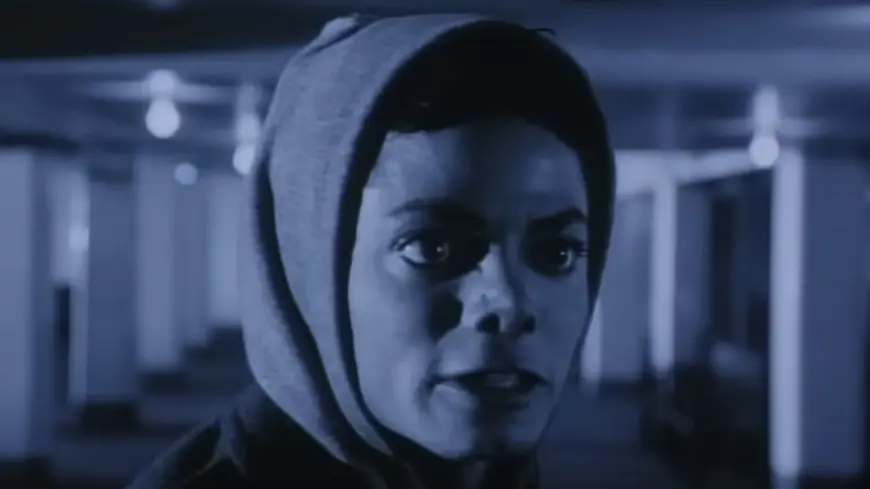
Michael Jackson once floated the idea of stepping into a dark, cinematic universe far removed from pop stages and music videos: the vampire‑studded world of a late‑1990s superhero film. Wesley Snipes has recalled that the pop star personally asked to appear in the sequel, pitching himself as a tough ally who would fight alongside Blade. The cameo never happened, but the what‑if has lingered among fans of both the singer and the franchise.
How the pitch unfolded
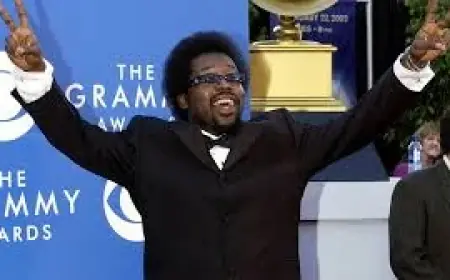
Wesley Snipes says his connection to Michael Jackson stretched back decades, and that familiarity led to an unlikely casting pitch. Snipes recalled that Jackson — who had previously worked with him on a music video in the 1980s — reached out with a serious ask: he wanted to appear in the sequel and be seen as a "tough guy. " Snipes quoted Jackson as saying he didn't want to be one of the vampires; instead, Jackson wanted to be a friend and combatant alongside Blade.
The idea sat against the backdrop of a very different comic‑book movie landscape. The franchise grew from an appetite for lower‑budget, character‑driven superhero stories at a time when the larger interlocking cinematic universes that dominate today had not yet materialized. Creators and producers were experimenting with tone and casting choices that could make a smaller superhero film stand out, and Jackson’s interest would have added an unmistakable cultural jolt.
The role that never was and the film’s standing
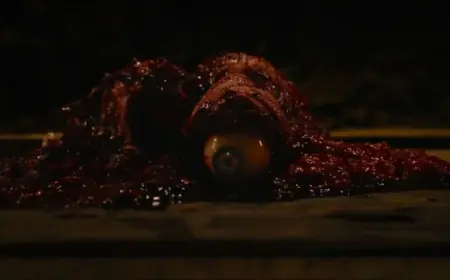
Concept designs for the unused cameo cast Jackson as a tall, gaunt vampire who appears briefly in a grim location known as the House of Pain, passing out bags of blood and entrails. The bit was meant to be silent — an eerie, mood‑setting moment rather than a speaking part. Imagining the pop star, famous for carefully curated public personas and iconic dance moves, in such a macabre visual was enough to give many fans pause.
Ultimately, Jackson did not join the cast. The sequel went on to become the most lucrative entry in the trilogy, bringing in roughly $155 million at the global box office compared with about $131 million for each of the other two films. Critical reception was mixed: the film landed in the mid‑50s on aggregate critic tallies and posted an audience average in the high‑60s on user aggregate scores. For many viewers, the sequel’s blend of stylistic action and darker tone remains a highlight of that era’s genre output.
Why the idea resonated — and why it likely didn’t stick
Jackson’s pitch revealed a lesser‑seen side of the star: a desire to inhabit roles that contradicted his public image and to push himself into unfamiliar dramatic territory. The notion of him playing a rough‑and‑tumble ally to a vampire hunter would have been an audacious counterpoint to his celebrity persona, and that contrast is precisely what made the idea memorable.
There are practical explanations for why the cameo didn’t materialize. Studio decisions, scheduling, and the logistics of integrating such a high‑profile figure into an already crowded production all could have played a part. Beyond logistics, the cultural jolt of seeing one of the world’s most recognizable entertainers in an ultra‑grim sequence might have altered the film’s tone in ways the filmmakers weren’t prepared to manage.
Today the anecdote stands as a curious crossroads between pop culture and genre filmmaking: a reminder that even the most established stars sometimes try to rewrite expectations, and that some cinematic detours remain forever tantalizing possibilities rather than filmed history.