























Why James Van Der Beek’s Family Turned to Public Donations to Pay Medical Bills

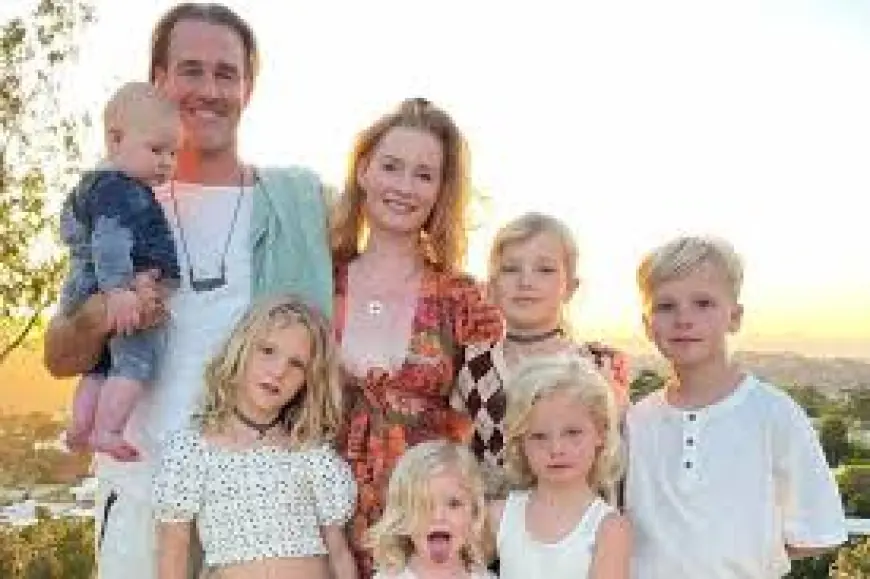
James Van Der Beek, the actor who rose to fame as the title role in a 1990s coming-of-age drama, died this week at age 48 after a three-year battle with colorectal cancer. In recent months he and his wife made a public appeal to help cover mounting medical expenses and avoid losing their home — a situation that has highlighted how precarious finances can be, even for actors who were household names decades ago.
Medical costs and a family in need
The cost of Van Der Beek’s treatments placed heavy strain on the household he shared with his wife and six children. The couple launched a public fundraiser that has attracted broad support, surpassing the seven-figure mark. The family also turned to auctioning personal career memorabilia — items Van Der Beek had saved for years — to help cover bills. Among the lots were a tartan shirt from the pilot episode of the show that made him famous, a necklace tied to the series’ storyline, and memorabilia from a late-1990s teen sports film in which he starred.
Van Der Beek had been open about how those actions were motivated by necessity. He auctioned items in late 2025 and spoke publicly about the financial gap created by medical care. In the months following his diagnosis he continued to work, appearing in new projects in 2025, but those appearances did not eliminate the family’s need for outside help.
Pay structures, residuals and the changing business of TV
Part of the hardship stems from how pay and residuals were structured when Van Der Beek was a young actor. He has said in past interviews that his early contract provided little in the way of long-term residual payments for reruns and syndication. Residuals once provided substantial, recurring income for performers from shows that remained in public view; for some actors of the same era, those payments have become a major source of revenue. Changes in the industry, including the rise of streaming, have disrupted traditional revenue streams and reduced how much many performers receive from older work.
Union rules that govern health insurance eligibility require a minimum level of work or earnings on union-covered productions. It is unclear whether Van Der Beek’s later credits would have satisfied those thresholds in any given year. Industry voices note that shrinking residuals and fragmented revenue sources have left many mid-career and veteran performers financially exposed when serious illness strikes.
A surge of support from peers and fans
The fundraiser drew significant attention from colleagues, prominent figures in the film community and the public. Several well-known creatives and executives made substantial gifts, and others offered ongoing monthly pledges. One high-profile director made a six-figure contribution and even sent a supportive video message referencing the actor’s iconic TV character, while other actors and filmmakers pledged regular support or one-time donations. A diagnostics company that the actor had previously worked with also contributed to the appeal.
Items auctioned off included a plush extraterrestrial toy, which sold for several thousand dollars, and other show-related props and posters that fetched four-figure sums. The combined fundraising and auction proceeds eased immediate financial pressure, and the family issued a statement expressing gratitude for the outpouring of support during their period of grief.
Van Der Beek’s situation underscores a wider conversation about how creative-industry labor is compensated and how health-care costs can upend families across economic strata. For many performers who rose to fame before streaming reshaped television economics, the protection once assumed from residual checks no longer offers the same safety net.