






















Carolyn Bessette-Kennedy: The true story behind the mysterious and tragic US icon

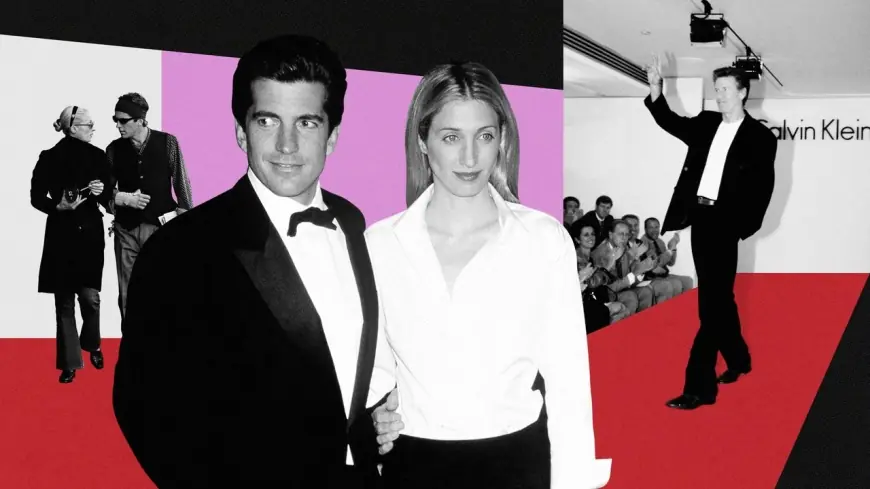
Carolyn Bessette-Kennedy’s life was short, intensely private and now the subject of a high-profile dramatization that has reignited interest — and controversy — in one of the most photographed American couples of the 1990s. The nine-part series revisits the courtship, marriage and fatal ending of the relationship while probing why a woman who gave virtually no interviews remains a potent cultural touchstone.
A life lived largely out of the spotlight
By the time she died in 1999 at age 33, Carolyn Bessette-Kennedy had been a public figure for only a handful of years. A former saleswoman who rose into public relations at a major fashion house, she became visible as the girlfriend and then wife of John F. Kennedy Jr., a scion of a political dynasty. Their union — a small, closely watched wedding in 1996 and the couple’s broader public presence — cemented an aura that combined glamour with tragedy.
Yet the facts of her life are scarce. There are fewer than 30 seconds of recorded audio of her voice in the public record, and she never gave a formal interview. Those who knew her described someone uncomfortable with fame but decisive about image and taste. That inscrutability has helped fuel fascination: she is frequently evoked as an exemplar of understated elegance, and her wardrobe choices have been dissected and emulated by a new generation of admirers.
From quiet luxury to fierce backlash
Bessette-Kennedy’s aesthetic — neutral tones, unfussy lines and an absence of ostentation — anticipated what stylists now call quiet luxury. Her staples included crisp white shirts, long black coats, simple loafers and carefully chosen accessories. That pared-back look has been repurposed repeatedly in fashion conversation, with countless guides advising how to replicate her restraint.
When production stills from the new series showed the lead actor in wardrobe and styling choices that some fans felt were wrong for the role, the reaction was swift and vocal. Longtime devotees disputed hair color, footwear and even whether the character would have worn certain sneakers. Creators and defenders of the dramatization point out that her style evolved: she dressed down in earlier years, sometimes favoring track pants and more relaxed looks. The debate reveals how invested the public remains in a figure who carefully curated what little of herself she allowed to be seen.
Drama, dissent and the question of ownership
The series frames the couple’s story by opening on the day of their deaths, then moving backward to chart the intense scrutiny they endured. Viewers who are less familiar with the Kennedys are given a compressed portrait of two people thrust into public attention for different reasons: one born into a political myth, the other thrust forward through an intimate relationship that became spectacle.
That framing has prompted objections from family members and others who feel the retelling commodifies private loss. One relative publicly condemned the project as profiting from a family tragedy, and the exchange between creators and critics has become part of the story the drama itself seeks to tell: who gets to narrate the past, and to what end? For many, the answer is complicated by the Kennedys’ long history in the public imagination — a mix of myth-making, grief and celebrity that has outlived several generations.
For viewers, the new series is less a factual excavation than a provocation. It asks whether portraiture of a woman who guarded her privacy can ever capture her truth, and whether dramatization deepens understanding or merely repackages grief for entertainment. Either way, the revived interest underlines that Carolyn Bessette-Kennedy, despite—or because of—her elusiveness, remains an enduring symbol of style, secrecy and sorrow.