

























One Year On: Robert F. Kennedy Jr. and the Steep Decline in Trust in American Health Care

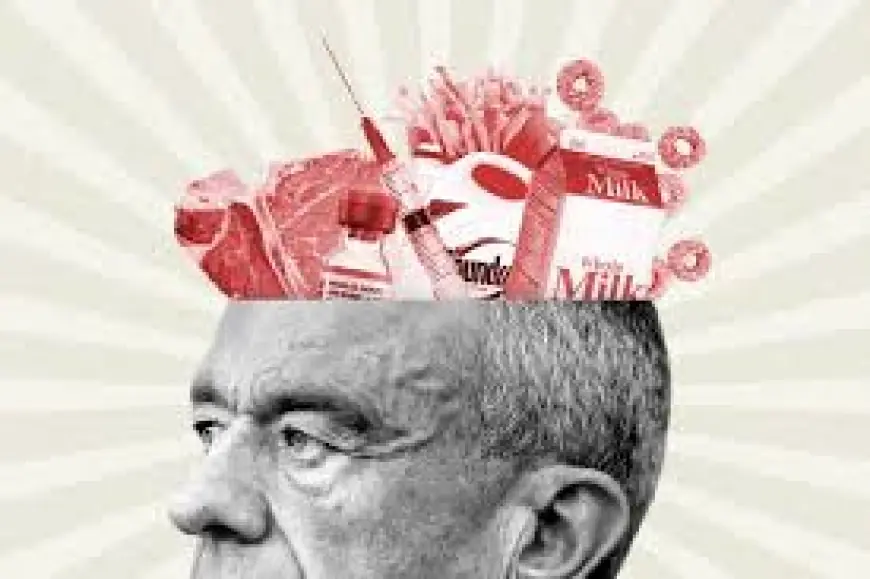
One year after a prominent pledge that robert f kennedy jr. would help "restore faith in American health care, " public confidence in medical institutions has eroded substantially. The political alignment that propelled his visibility has coincided with rising skepticism about vaccines, hospitals and public-health guidance — a shift that health experts and officials say could have lasting effects on population health.
Public confidence slips as political spotlight grows
Over the past year, polling and community-level indicators have shown a clear movement away from the levels of institutional trust seen before the pledge. Patients report greater hesitation in following standard vaccine schedules, and some are delaying preventive care or elective procedures. Health-care workers describe more frequent vaccine hesitancy conversations, and primary-care clinicians are spending more time addressing misinformation and mistrust rather than routine care.
Observers point to several drivers of the decline. High-profile commentary that questions mainstream medical consensus, amplified by political endorsement, has legitimized alternative narratives about vaccines and pharmaceutical companies for many Americans. The result is a deepening partisan split over basic questions of public health, with faith in doctors and health systems now often filtered through political identity rather than clinical evidence.
Policy repercussions and the practical fallout
The political calculus that elevated Kennedy’s profile has translated into policy friction at multiple levels. Local and state health departments face tougher public messaging environments when attempting to promote routine immunization and outbreak response measures. Community outreach programs report increased resistance, which raises the logistical and financial costs of maintaining coverage rates and containing vaccine-preventable diseases.
Hospitals and clinics are also feeling the pressure. Emergency-room clinicians and pediatricians say they are treating more preventable conditions as some patients forgo timely care. Public-health campaigns that once relied on broad-based public trust now require more targeted, resource-intensive strategies to reach skeptical populations. Those shifts could widen health disparities if underserved communities become more isolated from mainstream preventive care.
What health experts say about sustainable solutions
Medical and public-health professionals emphasize that reversing the trend will require more than factual rebuttals. Trust, they note, is built through consistent engagement, transparency about uncertainty and a focus on community-level relationships. Experts urge a renewed emphasis on local health partnerships, culturally competent outreach and investments in primary-care capacity to create repeated positive interactions between clinicians and patients.
There is also a call for clearer, depoliticized communication from political leaders. When health topics become partisan flashpoints, officials and clinicians face an uphill battle to separate evidence-based recommendations from political messaging. Restoring confidence, many experts argue, will take time and deliberate effort to re-establish health institutions as neutral, patient-centered sources of care rather than extensions of political agendas.
As the conversation enters its second year, the question for policymakers and clinicians is whether short-term political gains will be weighed against long-term public-health costs. If trust continues to decline, the consequences could include more outbreaks of preventable disease, lower vaccination coverage and a health system forced to operate amid persistent skepticism.
For now, providers and public-health leaders are bracing for sustained engagement needs and renewed investment in community trust-building, while monitoring whether the current political dynamics shift in ways that either exacerbate or alleviate the erosion of confidence.