























Rupert Lowe launches Restore Britain and rallies hard-right backers in Great Yarmouth

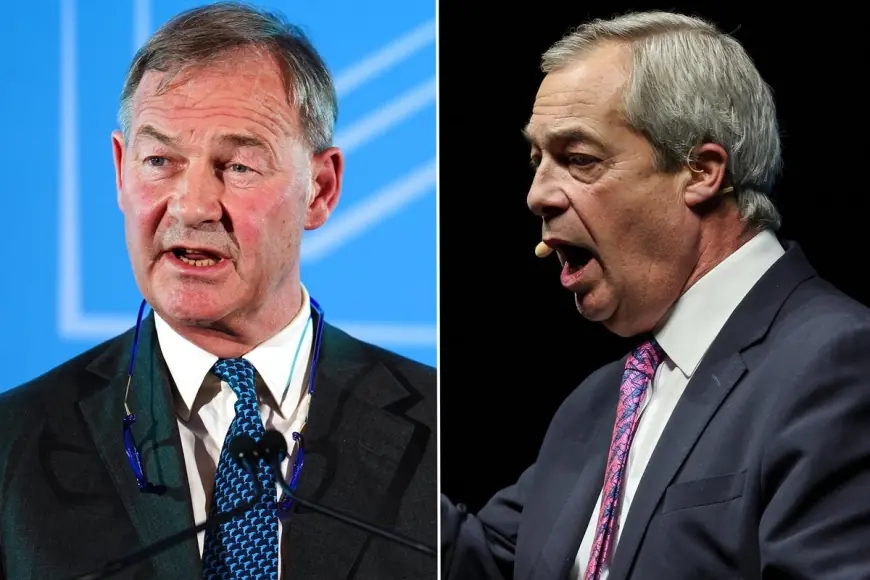
Rupert Lowe formally launched Restore Britain as a national party at a packed meeting in Great Yarmouth, using the platform to push hardline immigration policies and to present the new grouping as an alternative to established right-wing formations. The event brought together local councillors and a cohort of activists who have gravitated to Lowe since his split from his former party.
National ambitions built from a local base
What began as a local outfit known as Great Yarmouth First has been folded into Restore Britain, which Lowe described as an umbrella movement that will partner with locally based parties. At the launch he introduced five council candidates who will contest the next Norfolk county elections under the Great Yarmouth First banner, while setting out a national tone focused on tougher immigration controls and deportations.
Lowe, who sits as an independent MP after falling out with his previous party, said Restore Britain would take its message beyond a single town. He framed the group as a corrective to mainstream politics, arguing that established parties have become disconnected from the concerns of coastal towns and other communities experiencing social and economic tensions.
His supporters see the model as scalable: local partners would retain distinct identities while aligning with Restore Britain on core policies. Lowe has a reputation as a maverick figure in parliament and among activists, and he hopes that local traction in Norfolk can be translated into a wider presence ahead of any future national poll.
Hard-right allies and high-profile amplification
The launch drew figures and influencers from the fringes of the right, with some known for campaigning on immigration and national identity. A number of small parties and activists publicly signalled they were open to closer ties or even a merger with Lowe’s new party, creating the potential for a broader coalition of groups to coalesce around a hard-right agenda.
Restore Britain has also attracted prominent amplification from wealthy backers and high-profile commentators who have opposed Lowe’s erstwhile party leader. That amplification has helped drive attention and enabled the new grouping to punch above its immediate organisational weight. At the same time, some erstwhile supporters from wider conservative politics have signalled they will distance themselves now that Restore Britain is a formal political party.
The mix of grassroots activists, online influencers and sympathetic public figures gives Lowe immediate visibility, but it also cements the party’s reputation among critics as occupying the harder edge of the nationalist spectrum.
Electoral risk to Reform and wider political fallout
Strategists warn that Restore Britain could bite into the electoral base of other right-leaning parties. In several recent contests, margins of victory were narrow enough that a small, motivated challenger could tip outcomes by splitting the vote. Where former votes coalesce around a single candidate, a unified right could be competitive; fragmentation makes that harder.
For the party Lowe departed, the emergence of Restore Britain represents both a political and symbolic challenge. It highlights fault-lines over leadership style, messaging and strategy that have prompted defections and local disputes. Several figures who had been advising or associated with Lowe while it operated as a movement have indicated they will step back from formal roles now that it is a registered party.
Locally, Lowe believes his personal standing and the Great Yarmouth First brand will provide a firm electoral platform. Nationally, the new party faces the familiar hurdles of organisation, funding and volunteer infrastructure—but it has already demonstrated an ability to mobilise a core of committed activists and to attract attention from wealthy individuals who could bankroll campaigns.
As British politics continues to experience turbulence on the right, Restore Britain’s formation underscores how personalities and hardline messaging can reconfigure small but influential parts of the political landscape. Whether Lowe can convert momentum into lasting electoral success, or simply further fragment his former allies, will be a key question for the months ahead.