





















Reggie Miller’s Sharpshooting Era Echoes as NBA Bumps Celtics-76ers to Primetime

The NBA’s decision to move a late-season matchup to primetime — shifting the Celtics’ home game against Philadelphia on Sunday, March 1 from 6: 00 pm ET to 8: 00 pm ET — has reignited conversation about star-driven scheduling. The change, which places the game on a national broadcast window, has fans circling the date amid speculation about a high-profile return, and it serves as a reminder of how marquee players and clutch performers like Reggie Miller shaped the league’s most-watched moments.
Why the league bumped the game — and what it means
Moves of this kind are rarely random. The timing of the change, early in March, coincides with optimism surrounding a potential comeback from an injured superstar; that player’s early workouts and appearances with a G League affiliate have fed the belief that he could rejoin the rotation in the spring. Elevating a matchup to primetime signals the league expects a heightened level of interest — whether due to the teams’ rivalry, playoff implications, or the possible return of a marquee name.
For fans, the shift transforms what would have been a routine late-afternoon local game into an appointment viewing event. Primetime placement brings bigger national attention, increases scrutiny of injury timelines and rosters, and magnifies any narrative tied to the matchup. In this instance, the move has effectively turned March 1 into a tentative calendar marker for those tracking a long-awaited comeback.
Reggie Miller’s lasting imprint on primetime basketball
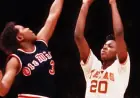
When the NBA schedules games around one or two players, it follows a playbook that dates back decades. Few players embody the star-driven primetime model better than Reggie Miller. Known for late-game heroics and a knack for turning tight contests into national talking points, Miller’s rivalry-fueled performances were appointment television long before the current era of streaming and flexible national windows.
Miller’s style — relentless perimeter shooting, fearless late-clock shots and an ability to command attention in high-stakes moments — helped make certain regular-season and playoff nights feel like must-see TV. Those nights proved that individual narratives can elevate otherwise routine games into cultural moments. That same logic underpins modern scheduling choices: the league shifts marquee games into national slots because a single player’s presence or absence can materially change how many viewers tune in and how the broader storylines play out.
Even if the current game’s elevated profile is tied to a different star’s recovery timeline, the principle is unchanged. The league is banking on the allure of a potential return, the competitive draw of two strong teams, and the inevitability that big moments generate conversation across social platforms and in living rooms. Reggie Miller-era memories of clutch shots and rivalry nights are still the template for why such moves carry weight.
What fans should watch for on March 1
With the calendar circled and the start time shifted to 8: 00 pm ET, March 1 assumes extra significance. Viewers and ticket holders will be watching not just the box score but the subtle cues: who is active on the bench, how minutes are allocated, and whether the player coming off injury looks closer to full game readiness. For teams and rival fan bases, the bump to primetime is an invitation to treat the contest like a playoff tune-up.
Ultimately, the decision reflects the league’s reliance on star power to create must-watch moments — a dynamic Reggie Miller helped cement. Whether history repeats itself with a new clutch hero or the matchup simply becomes another intense regular-season night, the move underscores the enduring connection between marquee performers and primetime basketball.