




















NBA All-Star 2026: New U.S. vs. World Format, High-Profile Moments and League Questions Loom Large

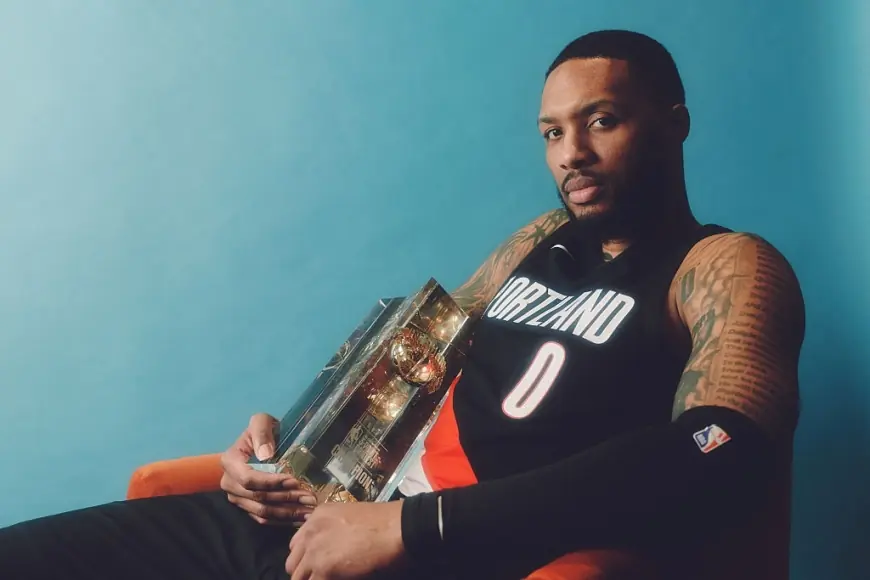
All-Star Weekend in 2026 arrived as both a celebration and a laboratory: the midseason showcase moved to a U. S. vs. World structure with three teams, individual skill-event headlines and a league-wide conversation about tanking, expansion and competitive integrity. The events unfolded at the Intuit Dome, with the new format tipping at 5 ET and marquee press appearances earlier in the day.
New competitive format reshapes the showcase
The 75th edition of the All-Star Game broke from tradition with three distinct teams—two U. S. squads and a Team World—stacked to highlight different styles and storylines. One U. S. roster skewed young and explosive, another blended veteran leadership with clutch firepower, while the international team leaned on length and the unique skill sets of the game’s biggest global stars. That structural change produced fresh matchups early and a single winner-take-all final meant to restore stakes to an exhibition that has long battled perceptions of low intensity.
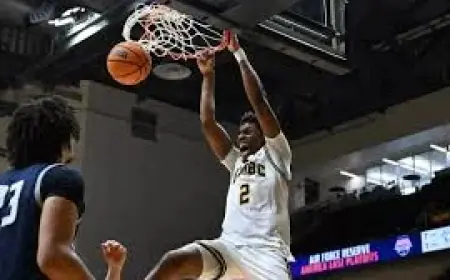
Beyond the main event, Saturday’s contests provided narrative fuel. A veteran sharpshooter captured a record-tying third 3-Point Contest crown, reinforcing his late-career status as one of the league’s most reliable deep threats. The Slam Dunk Contest delivered high-flying theatrics from a young rising star, while on-court sparks and bench energy punctuated the weekend’s showcase vibe. Media day moments—from friendly banter to pointed questions about the league’s direction—kept attention focused on more than just highlight reels.
League conversations: tanking, expansion and experimentation
All-Star Weekend also served as a focal point for broader strategic debates facing the league. Leadership used the gathering to address persistent tanking concerns and to float possible solutions meant to preserve competitive balance across a growing, global sport. The weekend’s officials reiterated a willingness to experiment—mirroring recent innovations such as alternative standings incentives, midseason tournaments and play-in mechanisms—aimed at making more games matter across the regular season.
Discussion of franchise expansion gained traction in panels and whispers throughout the weekend. With the league increasingly global and the All-Star format itself redesigned to emphasize international narratives, expansion was framed not just as a business calculation but as a competitive and cultural question: how will new markets, scheduling and revenue sharing alter the league’s calculus over the next decade? League leaders conveyed that meaningful decisions could emerge from the discussions that took place during these few days.
Moments that could ripple beyond the weekend
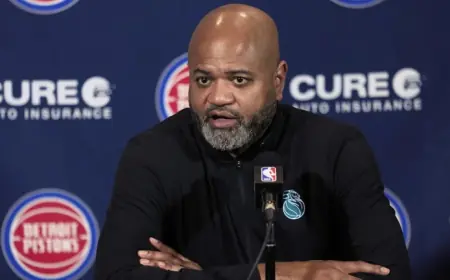
Individual performances and interactions at the All-Star Weekend can have outsized influence. A media appearance by one of the era’s most decorated stars at 2: 30 ET added gravitas to the day’s slate, and conversations between veterans and the league office underscored a shared sense of urgency about the sport’s future direction. The weekend’s mix of youthful breakout displays and veteran reminders of sustained excellence created a narrative tension that feeds both fan interest and executive planning.
As the league returns to regular-season play, observers will watch whether the weekend’s experiments stick and whether the talks about tanking, expansion and added incentives translate into concrete policy. For now, the 2026 All-Star Weekend achieved its dual goals: delivering compelling basketball theater and serving as a crucible for ideas that may define the NBA’s next era.