





















‘Love Story’ Recreates a Tragic Romance — and Rekindles an Old Debate

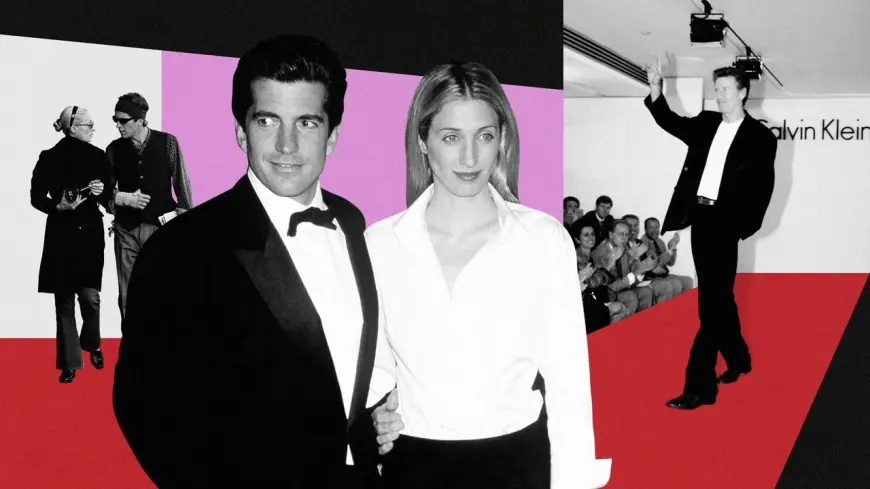
Ryan Murphy’s new anthology opener dramatizes the high-profile romance of John F. Kennedy Jr. and Carolyn Bessette, revisiting both their private life and the public obsession that followed them. The three-episode premiere arrived Thursday, Feb. 12 (ET), and the nine-episode run will unfold weekly through the finale on March 26 (ET).
What the series covers
Created by Connor Hines and executive produced by Murphy, the limited installment reconstructs how a Manhattan public-relations executive and the scion of a political dynasty met, married and struggled under relentless scrutiny. The drama starts on the day the couple died, opening with a prologue at a small regional airport that foreshadows the fatal flight off the coast of Martha’s Vineyard, then flashes back to 1992 when their courtship began.
The narrative leans on the cultural shorthand surrounding the Kennedys: a life lived in the spotlight, the mystique of Camelot-era memory and the tabloid fascination that dogged both figures as adults. The series draws from Elizabeth Beller’s book Once Upon a Time: The Captivating Life of Carolyn Bessette-Kennedy and aims to show not only the romance but the toll fame took on a couple trying to preserve their private life.
Casting, style and production choices
Sarah Pidgeon portrays Carolyn Bessette, while Paul Anthony Kelly takes the role of John F. Kennedy Jr. The production emphasizes period detail and fashion — Bessette’s spare, elegant wardrobe is a throughline — and compresses backstory in favor of scenes that capture how the couple navigated media attention, family expectations and their own differences. A pilot directed by Max Winkler sets the visual tone, and the series is produced as the first chapter of a larger anthology concept that will turn to other famous relationships in future installments.
Stylistically the show trades long-form biography for a dramatized intimacy: it assumes some audience familiarity with 1990s Manhattan culture and the Kennedy mythos, then fills in emotional beats that the public knew only in flashes. The choice to open on the crash day is meant to sharpen the sense that the romance was always framed by an inescapable public ending.
Reaction and the ethics of storytelling
The premiere has stirred a mix of fascination and criticism. Some viewers and commentators praised the performances and the series’ attention to fashion and atmosphere. Others questioned whether dramatizing such a well-known, tragic story so soon crosses a line; the ownership and commercialization of private grief remain central points of contention whenever high-profile deaths are fictionalized.
One prominent family member publicly criticized the project, calling the dramatization an inappropriate profiteering from a personal loss. That rebuke and subsequent comments exchanged in interviews and podcasts generated headlines of their own, turning the series into a flashpoint about who gets to tell family histories and how those stories should be handled. Defenders of the show argue that dramatization can illuminate cultural forces — media sensationalism, celebrity scrutiny, the pressures of inherited fame — that shaped the couple’s life together.
For audiences, the series operates on two levels: a period romance with glossy details and a provocation about the ethics of cultural memory. Whether it succeeds on either front will likely depend on viewers’ tolerance for dramatized intimacy around real tragedy and their appetite for revisiting a story that has long occupied America’s collective imagination.
The series’ weekly rollout continues through March, offering more episodes that promise to deepen the portrait of the couple and the world they inhabited.