
























Milan–Cortina 2026: Norway Leads the Medal Count as U.S. Stars Add Early Golds — medal count olympics 2026

As the Milan–Cortina Winter Olympics move past their midpoint, the medal count Olympics 2026 picture is taking shape. Norway has established itself at the summit of the medals table, while the United States and several other nations are piling up podium finishes in a fast-moving program that has already produced multiple records and historic firsts. Timelines below use Eastern Time (ET).
Who’s leading — and why medal ranking methods matter
As of Sunday, Feb. 15, 2026, 6: 49 p. m. ET, Norway sat atop the official Olympic medal table, which by convention ranks nations first by gold medals, then by silver and bronze to break ties. Other tallies that count all medals equally also place Norway at or near the top; in some public counts Norway’s haul is cited in the low-to-mid 20s by total medals. The choice of ranking method — gold-first or total-medals-first — can change the appearance of the leaderboard, and fans often prefer one system over another depending on whether they prize peak performance or overall depth.
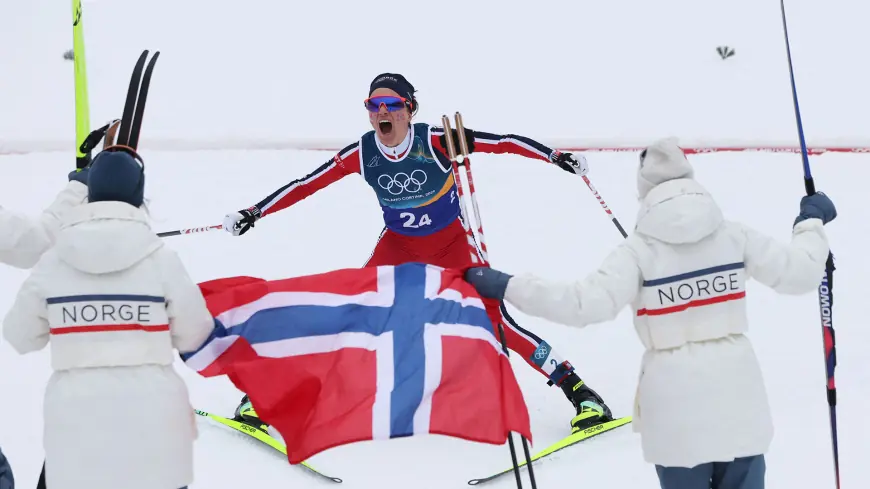
Norway’s strength is broad and deep: cross-country skiing, biathlon and speedskating continue to deliver many of its podiums. The nation’s development system, which emphasizes broad participation at youth levels and aggressive talent identification in the teenage years, has been credited with creating a steady pipeline of elite winter athletes.
Major storylines: Norway’s dominance and U. S. momentum
Natal charts have been dominated by a handful of standout performers. A headline figure for Norway is the cross-country star who has been a focal point of the Games, collecting multiple gold medals and pushing the boundaries of individual Winter Olympic career totals. Norway’s teams have also produced surprise relay and sprint victories that shifted momentum mid-Games.
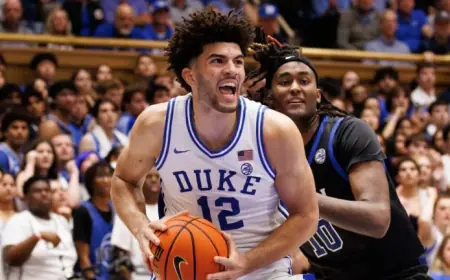
The United States entered Milan–Cortina with its largest Winter Games roster in history and answered with several high-profile wins early in the program. Breezy Johnson captured the women’s downhill gold, delivering the U. S. an early alpine triumph. In figure skating, the American team topped the podium in the team event, buoyed by a near-flawless free skate from a leading men's jumper. Speedskater Jordan Stolz has been another breakout performer for the U. S., claiming multiple golds and setting Olympic records in sprint distances.
American successes extend across disciplines: freestyle and moguls medals, breakthrough cross-country and notable podiums in snowboarding and curling illustrate a diversified U. S. medal profile. Individual breakthrough moments include historic performances that mark firsts for smaller delegations and unexpected podiums that broaden the medal map for regions less traditionally associated with Winter Games success.
What to watch in the second half of the Games
With roughly half the events still to be contested, several narratives remain unresolved. Can Norway convert its current lead into the top spot on both the gold and total-medal lists by the close of competition? Will the U. S. parlay early momentum into a sustained sprint for the top five in overall medals? Individual athletes chasing record career totals will also command attention; a relay or one marquee race could reshape historic rankings for Winter Olympic golds.
Beyond individual and national tallies, watch for how strong performances in speed and skiing disciplines will influence final standings — those events account for a disproportionate share of the medal opportunities. As the schedule tightens, each race and heat will carry outsized weight in refining the medal count Olympics 2026 landscape.
The second half of Milan–Cortina promises more drama, with several marquee events and relays ahead that could redraw the leaderboard. For now, Norway’s combination of golds and depth has placed it in the driver’s seat, while the United States and other nations hunt for late pushes that could alter the final order.