














Why James Van Der Beek’s Medical Bills Prompted a High‑Profile Fundraiser

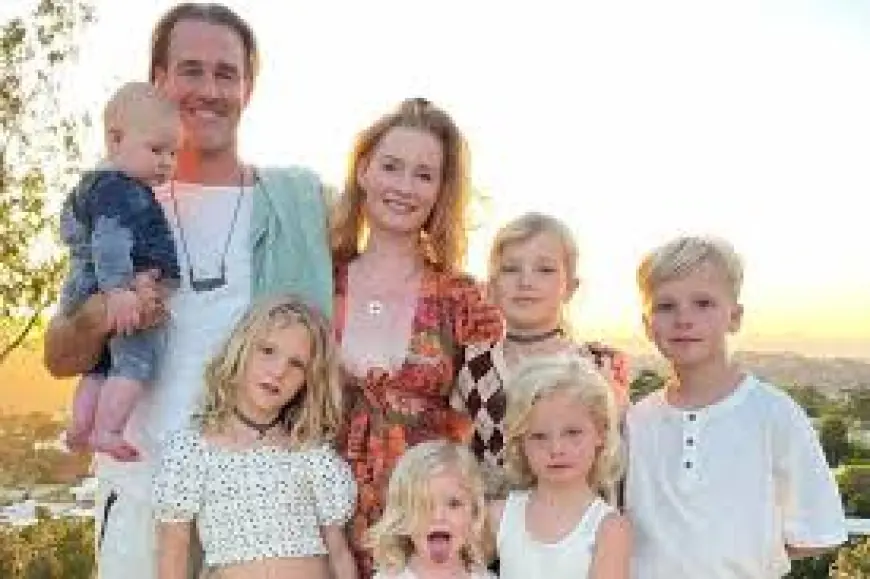
James Van Der Beek, once one of television’s most visible young stars, continued to work after a colorectal cancer diagnosis, but the financial strain of treatment and uneven compensation left his family relying on public generosity to cover medical bills and protect their home.
Rising costs, diminished pay and personal auctions
The actor and father of six was diagnosed with colorectal cancer three years before his death at 48. Over the course of his illness, his family’s outlays for treatment mounted, prompting his wife to make a public plea for donations to avoid losing their house. The appeal has drawn large contributions, with the total reaching roughly $2. 3 million.
In the months prior to his passing, Van Der Beek took the unusual step of selling memorabilia from his career to help pay expenses. Items put up for sale included a tartan buttoned shirt from the first episode of his breakout series, a necklace tied to an on‑screen romance, and sports shoes worn in a late 1990s movie. Smaller fan items tied to his character’s bedroom — movie posters and childhood props — also fetched thousands at auction.
Industry structures that leave gaps
Van Der Beek’s situation highlighted a broader reality for many performers: fame at one point in a career does not necessarily translate into long‑term financial security. He previously said he received little pay from his early hit series and that his contract lacked residuals, the ongoing payments actors receive when shows are rerun or streamed. That stream of income has buoyed many performers from the same era, but not every contract included those protections.
Beyond legacy deals, changes in how content is distributed have eroded some traditional revenue streams. The shift to streaming and new business models has altered how creators and performers are compensated, leaving gaps for actors who do not qualify for union‑backed health benefits. Qualification rules typically require a minimum number of work days or earnings on union shoots to access health coverage through the performers’ union, and sporadic work can fall short of those thresholds.
Celebrity donors and a community response
The public fundraising effort attracted notable contributions from industry figures. A celebrated director who was once idolized by the actor’s on‑screen persona made a six‑figure gift, while other filmmakers and performers offered sums ranging from monthly stipends to five‑figure donations. A diagnostic company that had worked with Van Der Beek also contributed to the appeal.
Those donations, together with thousands of smaller gifts from fans, underscored both the outpouring of support for one family and the reliance many Americans place on charity to cover unaffordable medical care. In a family statement, representatives expressed gratitude for the response and said the generosity provided a light in a time of deep grief, emphasizing that Van Der Beek’s work and advocacy will continue to resonate.
What the episode reveals
The fundraising around Van Der Beek’s care drew attention not simply because of his profile, but because it crystallized long‑standing anxieties about health‑care costs, contract protections and how creative professionals weather illness. For many performers, steady employment and residual income are essential safeguards against catastrophic medical bills; when those safeguards are missing, even familiar names can face precarious choices.
In his final years he continued to take on roles and to speak about the realities of his situation. The response to the family’s appeal — from fans and industry peers alike — has been immense, but it also prompted renewed conversations about how the entertainment industry and the wider health system support people when illness strikes.