






















Miracle on Ice: Niskayuna couple remembers a front-row seat to history

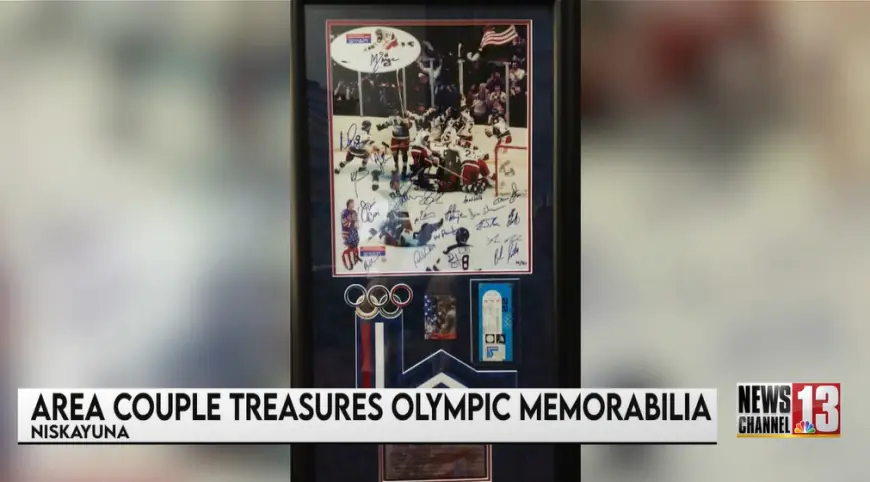
On Feb. 22, 1980 (ET), Larry and Nancy Feldman drove to Lake Placid aiming to watch an unlikely American college squad face a dominant Soviet hockey team. They left with more than a game ticket — they were eyewitnesses to what has been seared into American sports memory as the miracle on ice.
A front-row view and a few unforgettable details
They bought the tickets without realizing how pivotal the evening would become. "We didn’t know that we were going to be seeing that game when we bought the tickets, " Nancy Feldman recalled. The Feldmans later described the arena’s atmosphere as electric, especially in the tense third period when the score tightened and every play seemed to carry the weight of the moment.
Larry Feldman remembers watching a visible lift in the players’ faces as momentum shifted. He still laughs about his own nervous energy: "Larry started out with a jacket, a shirt, a tee shirt and he had stripped down to his tee shirt. I thought he was going to have a heart attack, " Nancy said.
After the game the couple carefully preserved tangible pieces of the night — ticket stubs and photos autographed by members of the American team. Those items were misplaced during a move and then rediscovered years later. "She came upstairs twenty years later, and she said, honey I found it. I found it, " Larry recalled. The return of those mementos reinforced how private keepsakes can become public folklore.
New reflections rekindle the story
The story of that U. S. team has been revisited repeatedly in films, books and interviews, and a recent documentary effort gathered the living members of the 1980 gold-medal team to watch old footage and reflect. The project leaned into quiet moments — players watching themselves decades later, sharing memories and discovering how the event shaped the rest of their lives.
One striking artifact surfaced in that work: an index card containing Herb Brooks’ pregame speech to the team with the handwritten line, "You were born to be a player. You were meant to be here. This moment is yours. " Those words — part strategy, part motivation — helped define the psychology Brooks sought to instill in a roster of college athletes facing seasoned professionals.
Veterans of the game reacted to seeing younger versions of themselves on screen, sometimes unexpectedly moved by old interviews and moments of raw emotion. Mike Eruzione, the captain whose leadership became synonymous with the team, was among those who watched footage with a mix of pride and nostalgia. The familiar broadcast call, "Do you believe in miracles?", remains one of the most enduring lines tied to that night.
Why the moment still matters
Beyond the final score, the miracle on ice endures because it layered sport with national context, personal memory and the kind of narrative that generations retell. For the Feldmans, the game became a private treasure: a shared experience, physical mementos and the chance encounter of history unfolding before them. Their story underscores how global moments are often witnessed in small, intimate ways.
As new projects revisit 1980 and players reunite to watch and remember, that convergence of personal testimony and archival footage keeps the story fresh. The Feldmans’ ticket stubs and autographs serve as a reminder that history is both lived and kept — sometimes misplaced, sometimes rediscovered, always capable of being felt anew by the people who were there.
Decades on, the phrase miracle on ice remains shorthand for an upset that transcended sport. For those in the stands that night, it was a dramatic, almost physical thing to watch — one that is still being unpacked by the players and fans who carry it forward.