





















Kawhi Leonard: Teams ‘Investigated’ Trade Interest at Deadline as Clippers Shuffle Roster

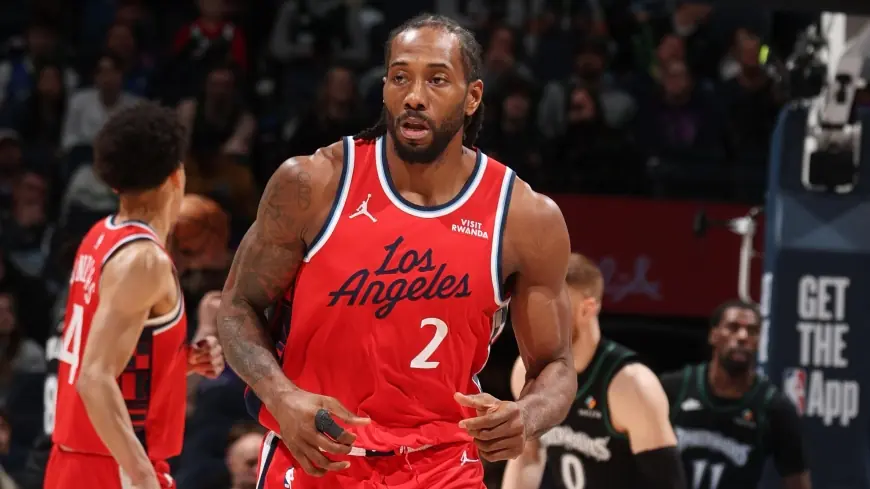
Even though Kawhi Leonard remained with the Los Angeles Clippers after the trade deadline, new comments reveal that opposing teams made inquiries about a possible trade. League chatter spiked after the Clippers moved two key pieces, but salary structure, contract timing and Leonard’s on-court performance limited any immediate deal.
Deadline calls, but no deal
On a recent podcast episode, veteran NBA insider Brian Windhorst said rival clubs were "investigating" the possibility of trading for Leonard in the wake of the Clippers' deadline activity. He added that teams did pick up the phone and initiate trade conversations, though nothing escalated into a completed transaction before the deadline passed.
The idea of moving Leonard gained traction when the Clippers opted for significant roster change, but Leonard’s situation has proven far more complex than the other pieces they traded. Front-office decision-making can be fluid in the days around the deadline, and preliminary interest does not always become a formal offer.
Why a Leonard trade would be difficult now
There are three main hurdles that made a Kawhi swap tough to complete at the deadline: salary fit, contract timeline and return value. Leonard is earning roughly $50 million this season, a figure that narrows the pool of feasible trade partners because many clubs could not absorb that salary without sending back significant payroll or matching assets.
Contract structure also matters. Leonard’s contract timeline turns him into an especially intriguing summer target: next season marks the final guaranteed year on his deal, which makes him an attractive one-year rental for teams willing to chase a high-end offensive boost. But at the deadline, clubs often need multi-year flexibility and clearer trade assets to build around such a pricey short-term addition.
Finally, assessing trade value for Leonard is tricky. He is enjoying one of the best statistical seasons of his career — averaging a career-high scoring mark while shooting efficiently and contributing across the board — yet his long injury history injects uncertainty. That mix of elite performance and medical risk makes it unclear what the Clippers would demand in return, especially if they aim to balance a rebuild against the chance of keeping a superstar.
Leonard’s outlook and the Clippers’ next steps
Leonard’s own comments reflect a pragmatic view of the team’s immediate chances. When a reporter asked about expectations for the second half of the season, Leonard suggested the club is not poised to be a top contender, noting the roster changes and the available supporting cast. His blunt assessment aligns with the front office’s willingness to retool, yet it also highlights a crossroads: whether the Clippers will fully commit to a rebuild or pivot to build around Leonard if they can assemble reliable complementary pieces.
For teams that might consider pursuing Leonard in the summer, the calculus is different. An expiring $50 million salary can be more palatable in the offseason, when clubs know their cap picture and can structure trades with more precision. If Leonard sustains his current All-NBA level production down the stretch, his value as a short-term upgrade — with the potential to re-sign or flip in a more favorable market — will only increase.
For now, Leonard stays put while the Clippers weigh whether to keep constructing around him or use their accumulated draft assets to chase long-term star talent. The deadline produced clear roster movement, but the most consequential decision for Leonard’s future may come this summer, when contract timelines and team ambitions align more cleanly.