





















Kevin Harvick Poised to Benefit as NASCAR Brings Back the ‘Chase’ Playoff Format

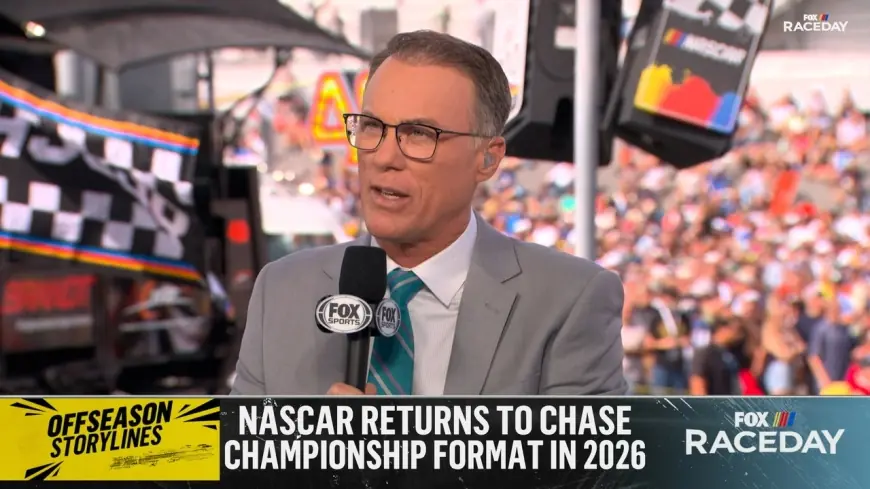
With stock car racing reinstating the familiar 'Chase' playoff structure, the championship picture shifts toward drivers who combine speed with strategic consistency. Few fit that description better than veteran Kevin Harvick, whose experience and knack for extracting results under pressure make him an immediate name to watch as the sport adapts to the revised postseason mechanics.
Why the 'Chase' reset favors experienced competitors
The return of the Chase rewrites the late-season calculus by placing a premium on timing and situational control. Instead of a long, attrition-heavy accumulation of points across the campaign, the format rewards drivers who can peak at the right moments and close strong in elimination rounds. That dynamic flattens advantages gained by early-season dominance and amplifies the benefit of playoff-specific savvy.
For an established competitor like Harvick, who has logged decades of high-stakes racing, those traits are familiar territory. Experience navigating pressure-packed environments — from managing restarts to executing strategic short runs — often separates title contenders from also-rans once the Chase reset arrives. The format tends to compress margins, so clean execution on pit road, composure in tight restarts and the ability to make quick adjustments during a race become even more valuable.
Strategy shifts Harvick will likely lean on
The reintroduced Chase format will push teams to rethink when to chase wins and when to prioritize points and track position. Early-season aggression to bank wins can secure advantageous seeding, but the reset also places emphasis on performance during elimination rounds. That creates a two-tiered approach: accumulate enough early momentum to avoid precarious elimination situations, then tune for peak performance when it matters most.
Harvick’s strengths — a reputation for aggressive, smart racing and an ability to adapt setups on the fly — align with that approach. Expect him and his crew to focus on consistency through the first portion of the schedule while positioning aggressively for the rounds that determine who advances. Pit calls that gamble for track position, timely stage points and resolving long-run balance issues quickly will be central to any championship push.
Moreover, the Chase’s emphasis on elimination creates opportunities to exploit track-specific advantages. Teams will likely prioritize setups that can deliver short-run speed for restarts and late-race sprints, while also managing tire wear across stages to avoid late-race fade. Veteran drivers who can communicate precise feedback and instinctively manage tires and brakes under pressure will often gain an edge.
Watch points of vulnerability and potential roadblocks
The Chase may help experienced drivers, but it’s not a guaranteed ticket to the finale. Younger challengers with momentum and raw speed remain a formidable threat; the condensed nature of the format can turn a single mistake into an elimination. Harvick will need to guard against late-race incidents, mechanical gremlins and strategy miscues that are magnified when the margin for error is small.
Additionally, rule changes and in-season adjustments can shift the balance between teams quickly. Crew chiefs who adapt fastest to those changes — and crews that execute flawless pit stops under pressure — can flip scenarios overnight. Harvick’s veteran status provides an advantage in reading race flow, but it must be matched by consistent team performance throughout the playoffs.
Ultimately, the reintroduction of the Chase reshapes the narrative for the championship hunt. It rewards timing, resilience and playoff-specific execution — all areas where a seasoned competitor like Kevin Harvick can thrive. As the season unfolds, expect him to be front and center in conversations about who can navigate the resets and come out standing when the final laps are run.