












After Pebble Beach 62, Collin Morikawa opens up on unusual putting woes

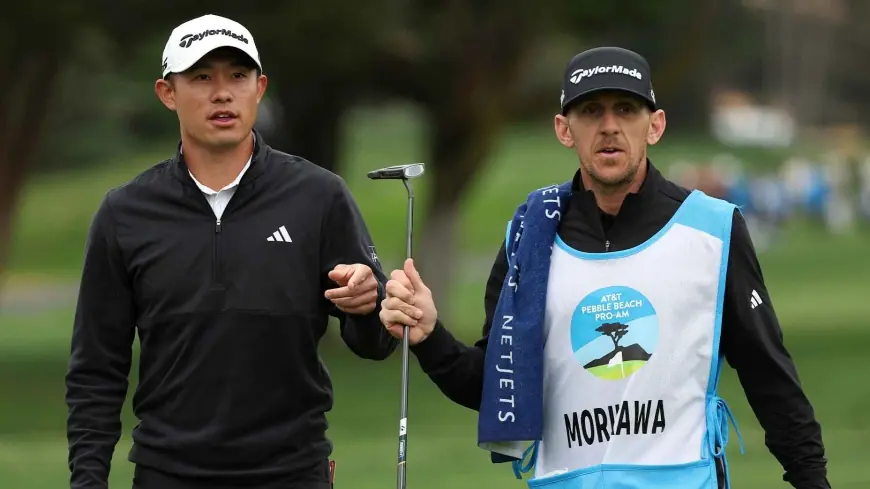
Collin Morikawa delivered one of the week’s most electric rounds with a 10-under 62 at Pebble Beach, yet it was his frank talk about an ongoing relationship with the putter that dominated conversation Saturday afternoon ET. The performance — 11 birdies, one bogey and all 18 greens in regulation — belied persistent struggles on the greens that have dogged his career in recent seasons.
A vintage ball-striking day — and startling putting numbers
Morikawa’s Saturday charge felt like a reminder of the player who announced himself on the PGA Tour: measured, precise iron play and supremely confident control of trajectory and distance. He gained an eye-popping 6. 472 strokes on the field in approach shots, the best strokes-gained: approach figure in the history of the event and one of the finest in the ShotLink era. That iron play produced a stretch of birdies — including four in a row on the front nine and five of his final six holes — that vaulted him into contention.
And yet the underlying putting numbers were paradoxical. He made just 55 feet of putts for the day and ranked near the bottom of the field in most putting metrics, a reminder that elite approach play does not always translate into easy scoring when the putter misbehaves. Over the past several seasons, putting has been the most consistent drag on his overall performance: he ranked 156th on Tour in strokes gained: putting in 2025 and has finished worse than 100th in that category multiple times since 2022.
The contrast is stark. A 62 that could have come only from near-perfect iron play still leaves questions about whether the putter can ever be relied upon as a complement rather than a liability.
Mindset, changes and the long-running putter saga
Morikawa was unusually candid about the psychology behind his putting difficulties. "I think I might be [uncomfortable with my putter] for the rest of my career, " he said. "It’s a comfort thing for me. I think I play a lot with my feel and I play a lot with my gut and unfortunately that changes a lot. "
The comments followed a tough start to the season — an early missed cut and a couple of modest finishes — that prompted self-reflection during what was intended to be an offseason reset. Rather than changing technique on the range, Morikawa credited a reminder from his longtime coach about the mindset that carried him to early success: he didn’t come out to merely make cuts or compile top-20s; he came out to win. That mental shift, he said, opened the door to the aggressive approach play that produced his rally.
Still, the putter saga has been tangible. Morikawa has experimented with personnel and equipment in search of stability: coaching tweaks, swing adjustments, caddie moves and putter switches. This week he installed a TaylorMade Spider that he said he grabbed from a fellow player two weeks earlier, another small intervention in an ongoing search for comfort over the ball.
The bigger picture is clear: when Morikawa’s ball striking is humming, he gives himself a chance to win even if the putter is misbehaving. That’s the silver lining heading into Sunday’s final round ET, when he’ll play in the final pairing. If the short stick can cooperate even marginally, his iron play suggests he can challenge for a trophy; if it doesn’t, his week could come down to strokes surrendered on the greens despite historic approach numbers.
For a player who arrived with major championships and a reputation for surgical ball control, the path back to consistent dominance may not require a total overhaul. It might hinge on finding a sliver of comfort with a putter and the steady mindset he invoked Saturday — the same hunger to win that has driven him since turning pro.